
Search
In Australia, the health and education sectors provide universal early childhood services for the same population of children. Therefore, there is a strong imperative to view service use and outcomes through a cross-sectoral lens to better understand and address the service needs of young children and their families.
School readiness is a construct used by educators and policy makers to describe a range of abilities that are beneficial for children transitioning to school. The association of socioeconomic disadvantage with developmental vulnerability when children start school is well established. Parents play a crucial role in supporting children’s transition to school and are acknowledged as their child’s first and foremost teacher.
The behavioural outcomes associated with atypical cerebral lateralization during the early stages of cognitive development is an interesting research venture. However, there are few tasks for assessing lateralization in young children. The current study describes the Magic Hat task and the Teddy Bear Picnic task, which were designed to measure the lateralization of language and visuospatial attention, respectively, in children as young as three years old.
Recent evidence suggests that parental exposures before conception can increase the risk of asthma in offspring. We investigated the association between parents' preconception body mass index (BMI) trajectories from childhood to adolescence and subsequent risk of asthma in their offspring.
Pertussis hospitalisation is more common among infants born prematurely, who have significant comorbidities, or are Indigenous, but acellular pertussis (aP) vaccine effectiveness (VE) estimates in these sub-groups are lacking. We measured aP VE by Indigenous status, and policy-relevant categories of prematurity and comorbidity, in a population-based Australian cohort.
Colab’s new Bright Tomorrows parent app is helping families across Australia give their young children the best developmental start in life.
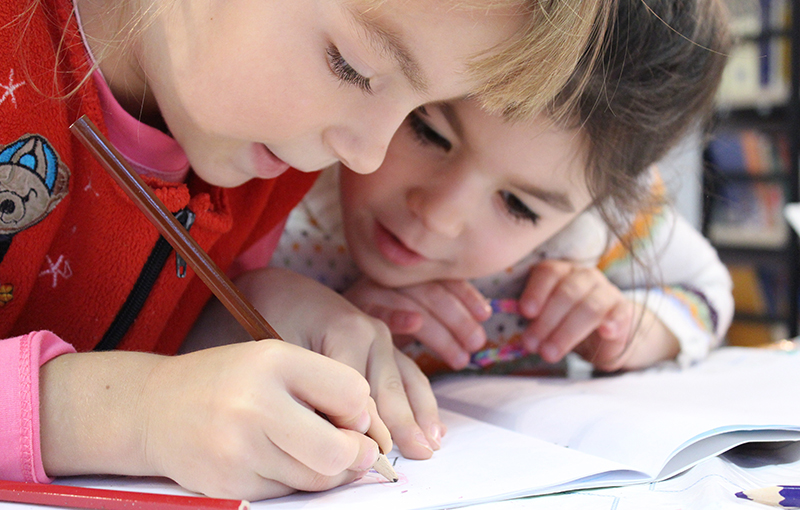
A new study by researchers at The Kids Research Institute Australia has found there is a bigger picture to consider when determining whether a child is ready to start school.

Western Australia and Queensland are leading the nation when it comes to ensuring children have a good start at school, according to a study by researchers at The Kids Research Institute Australia.
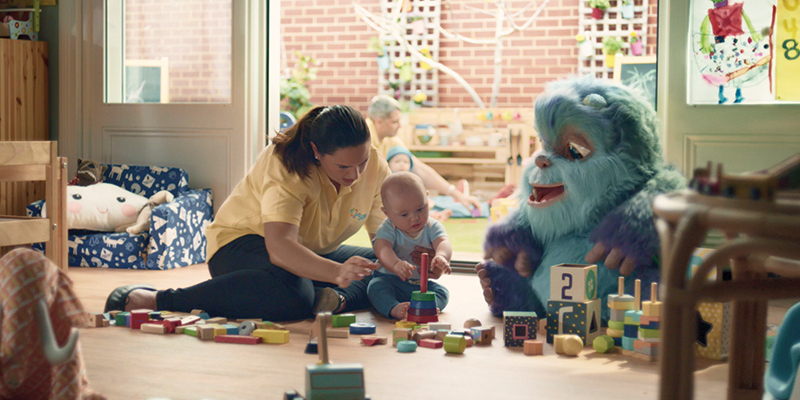
A lovable blue creature by the name of Bobbie has won the hearts and minds of Western Australians.
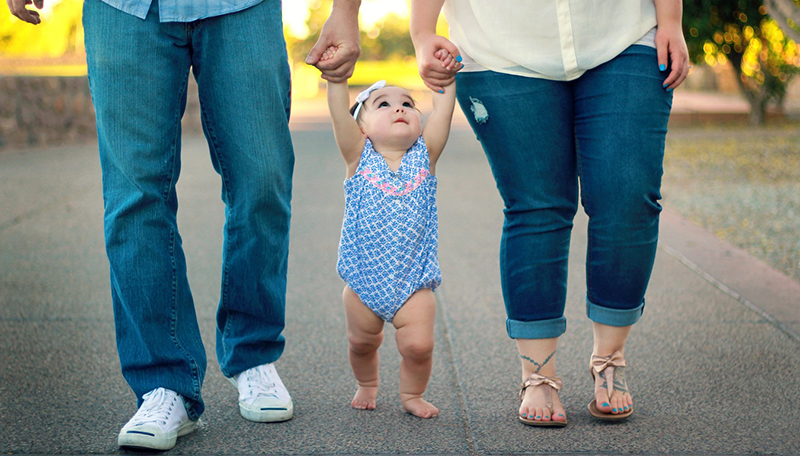
Paediatrician and researcher Dr Lana Bell shares some important milestones for social development to look out for in the first year of life.