
Search
This Group A Streptococcus OPKA assay has the potential to provide a robust and reproducible platform to accelerate GAS vaccine development.

In Perth, The Kids Research Institute Australia is spearheading global efforts to tackle this insidious bacterium and reduce its impact on kids’ health.
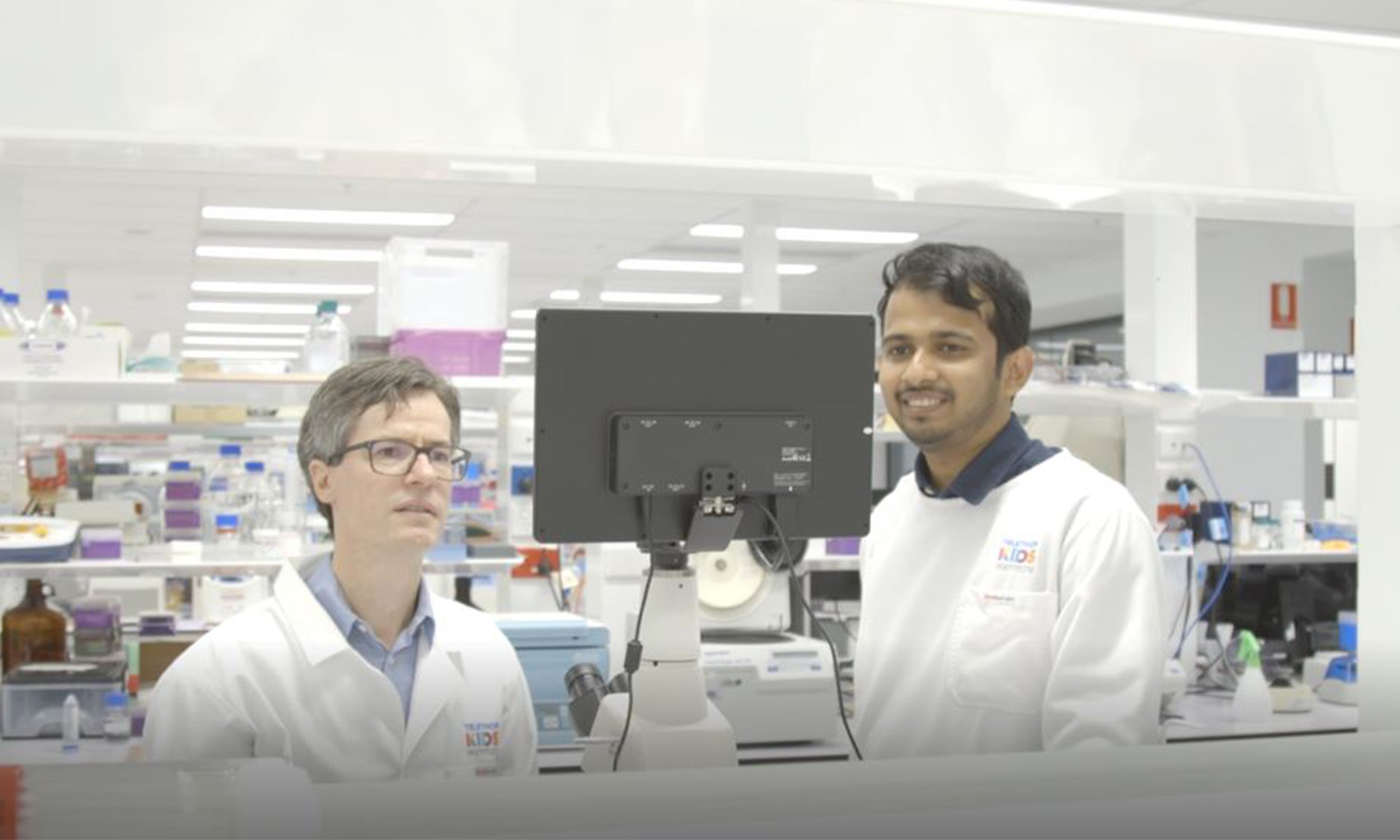
Vital research aiming to improve the treatment of potentially deadly Group A Streptococcus (Strep A) has been awarded $820,000 in the latest round of National Health and Medicine Research Council’s Ideas Grants.

A new report predicts rheumatic heart disease (RHD) will lead to over 500 preventable deaths and cost the Australian health system $317 million by 2031 if no further action to tackle the disease is taken.
Antibiotic consumption can lead to antimicrobial resistance and microbiome imbalance. We sought to estimate global antibiotic consumption for sore throat, and the potential reduction in consumption due to effective vaccination against group A Streptococcus.
Disease caused by Streptococcus pneumoniae is associated with considerable morbidity and mortality in children. Pneumococcal conjugate vaccines are well tolerated and effective at reducing pneumococcal disease caused by vaccine serotypes. VAXNEUVANCE (V114) is a 15-valent PCV containing 13 serotypes in Prevnar 13, plus serotypes 22F and 33F. This large phase 3 study evaluated safety and tolerability of V114 in infants.
Recent research has documented a wide range of health, economic, and social benefits conferred by vaccination, beyond the direct reductions in morbidity, mortality, and future healthcare costs traditionally captured in economic evaluations.
Streptococcus pyogenes (also known as group A Streptococcus , Strep A) is an obligate human pathogen with significant global morbidity and mortality. Transmission is believed to occur primarily between individuals via respiratory droplets, but knowledge about other potential sources of transmission via aerosols or the environment is limited. Such knowledge is required to design optimal interventions to control transmission, particularly in endemic settings.
Secondary prevention of acute rheumatic fever (ARF) and rheumatic heart disease (RHD) involves continuous antimicrobial prophylaxis among affected individuals and is recognised as a cornerstone of public health programmes that address these conditions. However, several important scientific issues around the secondary prevention paradigm remain unresolved.
Benzathine benzylpenicillin is a globally indispensable medicine.