
Search
This article focuses on IgE-mediated food allergies and allergic rhinitis, the most commonly seen conditions in paediatric immunology.
Reliance on increasing use of dietary supplementation and fortification (eg, with folate) to compensate for increased consumption of processed foods is also...

As we count down to the end of the long summer holidays, it’s natural for children to feel anxious about what the new school year will bring.

Up to three out of every 100 babies develop cow's milk protein allergy (CMPA) in their first year of life – and this number appears to be on the rise
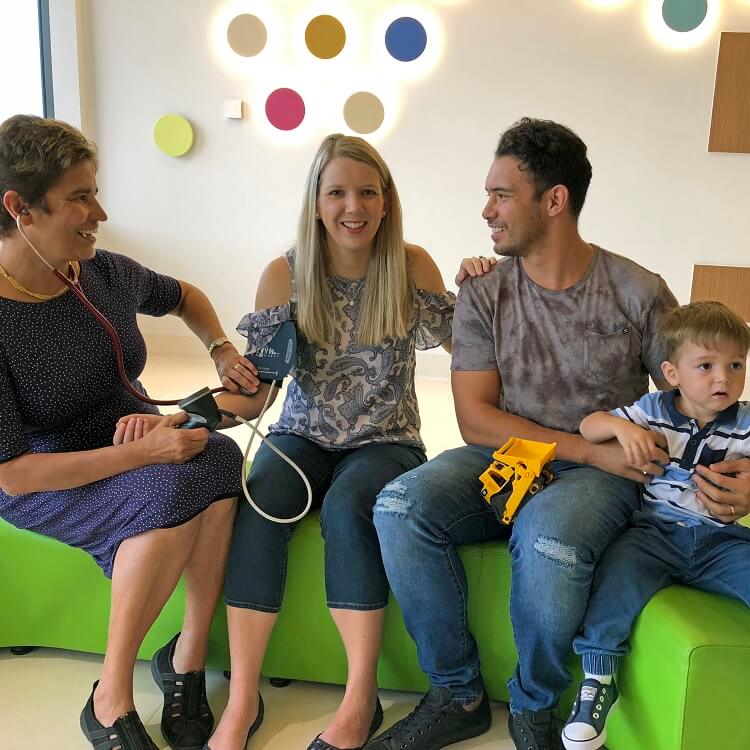
ORIGINS, a collaboration between The Kids and the Joondalup Health Campus, has achieved a major milestone – recruiting its 1000th family.

The Kids Research Institute Australia researchers have been awarded more than $8 million in prestigious project grants from the NHMRC.

Eight The Kids Research Institute Australia researchers are among those who have received grant funding from the Telethon-Perth Children’s Hospital Research Fund (TPCHRF).
Remission is the desired outcome following OIT as it allows individuals to discontinue treatment and eat the allergen freely. Early initiation of OIT in infants and toddlers has been embraced as an approach to increase the likelihood of remission. However, there is no high-quality evidence supporting younger age as an independent factor driving remission; available studies are limited by small samples of younger subjects and lack of adjustment for confounding covariates, particularly peanut-specific IgE (sIgE) levels which is closely cor
In this review, we will highlight infants' immune responses to food, emphasizing the unique aspects of early-life immunity and the critical role of breast milk as a food dedicated to infants. Infants are susceptible to inflammatory responses rather than immune tolerance at the mucosal and skin barriers, necessitating strategies to promote oral tolerance that consider this susceptibility.
The incidence of anaphylaxis is increasing globally in tandem with changing environmental and lifestyle factors. There is very limited data on very early childhood presentations. We aim to assess changes in rates, characteristics and management of infant anaphylaxis in a paediatric ED over a 15-year period.