
Search
Showing results for "A"
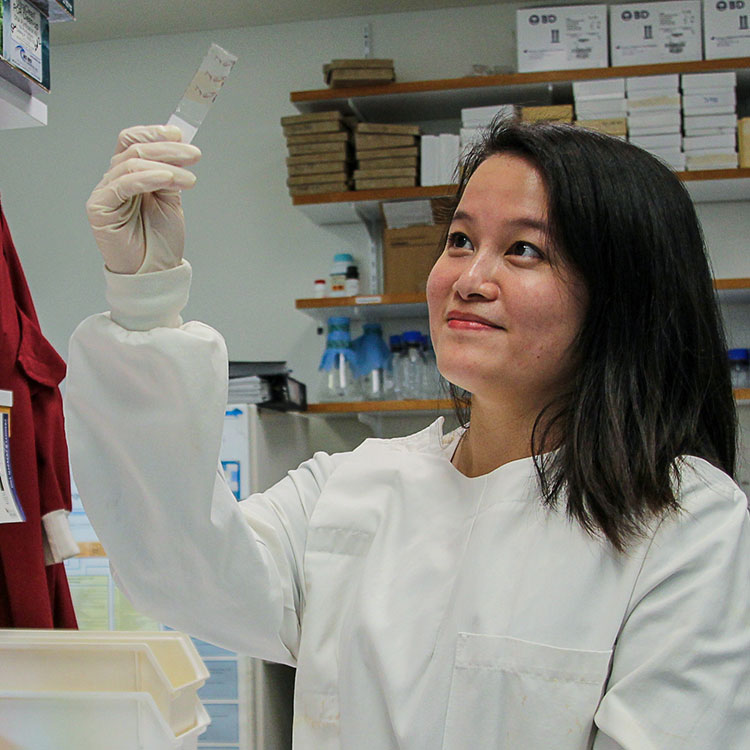
The Kids Research Institute Australia researchers have been awarded five of eight State Government awards designed to help cover the hidden costs of conducting research.

More than two decades of research, modelling and collaboration to develop safe and effective RSV immunisations has led to a major Federal Government roll-out of a respiratory syncytial virus (RSV) immunisation program for all pregnant women and newborn babies in 2025.
The Kids's Dr Ruth Thornton is one of 12 finalists in the annual national Fresh Science competition with her research into middle-ear infections.
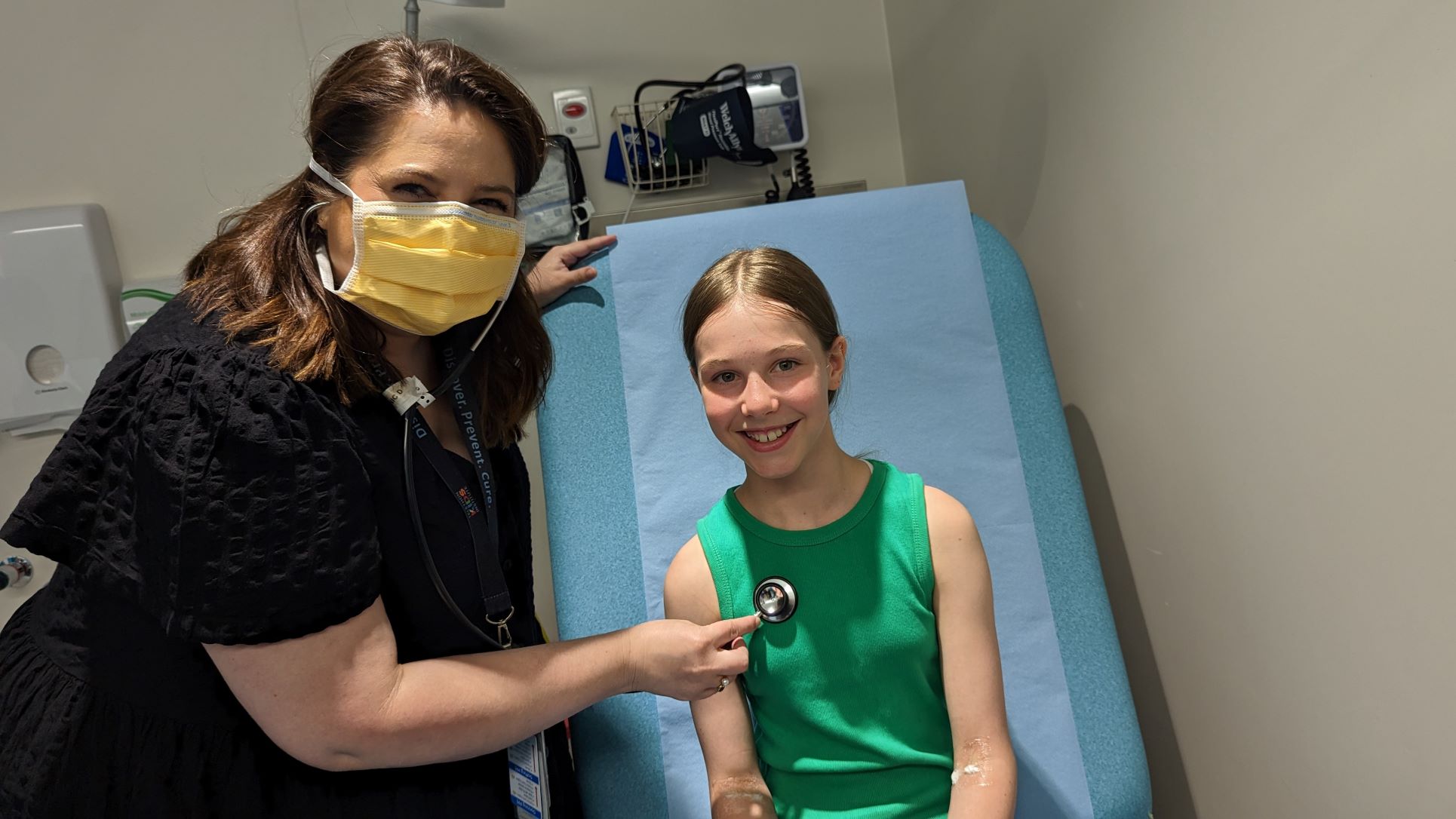
Tiny babies could soon have much-needed protection from community transmission of potentially deadly whooping cough thanks to a world-first nasal spray vaccine being trialed at The Kids Research Institute Australia.
The Kids Research Institute Australia researchers have found close to 40 per cent of Aboriginal babies begin to develop middle ear infections between two and four months of age in a first of its kind study in metropolitan Perth.
The END RHD CRE is producing a costed, step-wise strategy to end rheumatic heart disease (RHD) as public health priority in Australia.

Painful monthly penicillin injections to treat and prevent Rheumatic Heart Disease (RHD) could be replaced with a longer-acting implant, a recent study has found.
This study aims to investigate the cellular and molecular profiles of the immune system in infants at high/low risk for Autism, as determined through clinical assessment.
The PEDI-CAT (ASD) is used to assess functioning of children and youth on the autism spectrum; however, current psychometric evidence is limited. This study aimed to explore the reliability, validity and acceptability of the PEDI-CAT (ASD) using a large Australian sample.
Neurodevelopmental disorders (NDDs) have high comorbidity rates and shared etiology. Nevertheless, NDD assessment is diagnosis-driven and focuses on symptom profiles of individual disorders, which hinders diagnosis and treatment. There is also no evidence-based, standardized transdiagnostic approach currently available to provide a full clinical picture of individuals with NDDs. The pressing need for transdiagnostic assessment led to the development of the Neurodevelopment Assessment Scale.