
Search
Showing results for "A"
We unite experts and communities to improve child health through research that has impact, using animals only when no other methods are suitable. We are also a signatory to the ANZCCART Animals in Research Openness Agreement.
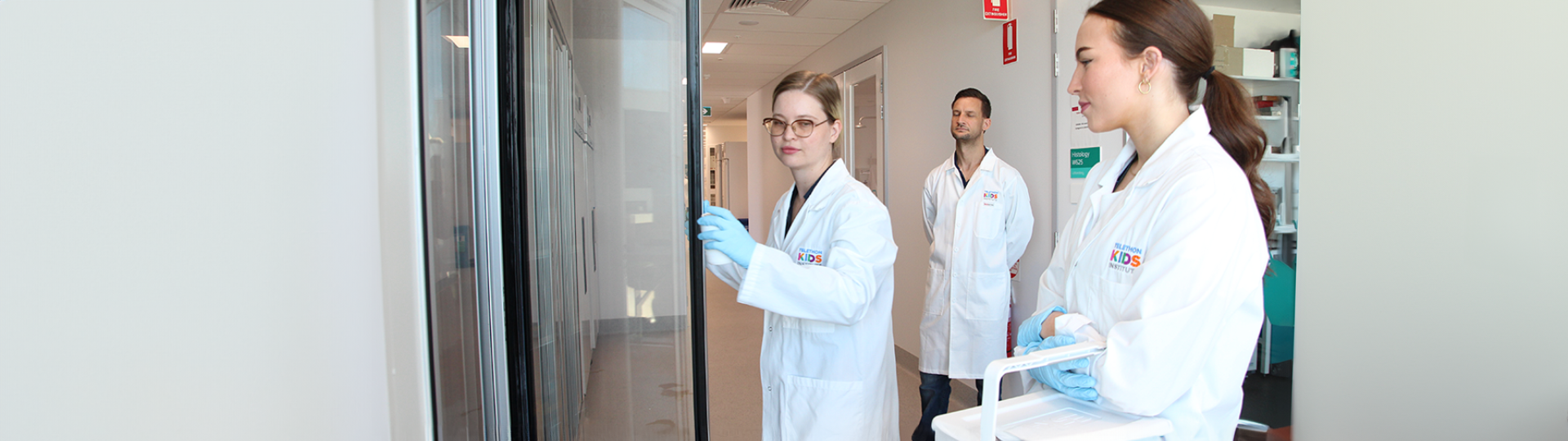
Within the Institute, we have a commitment to the highest standards of research with pro-active staff ensuring the lab environment is safe and secure.
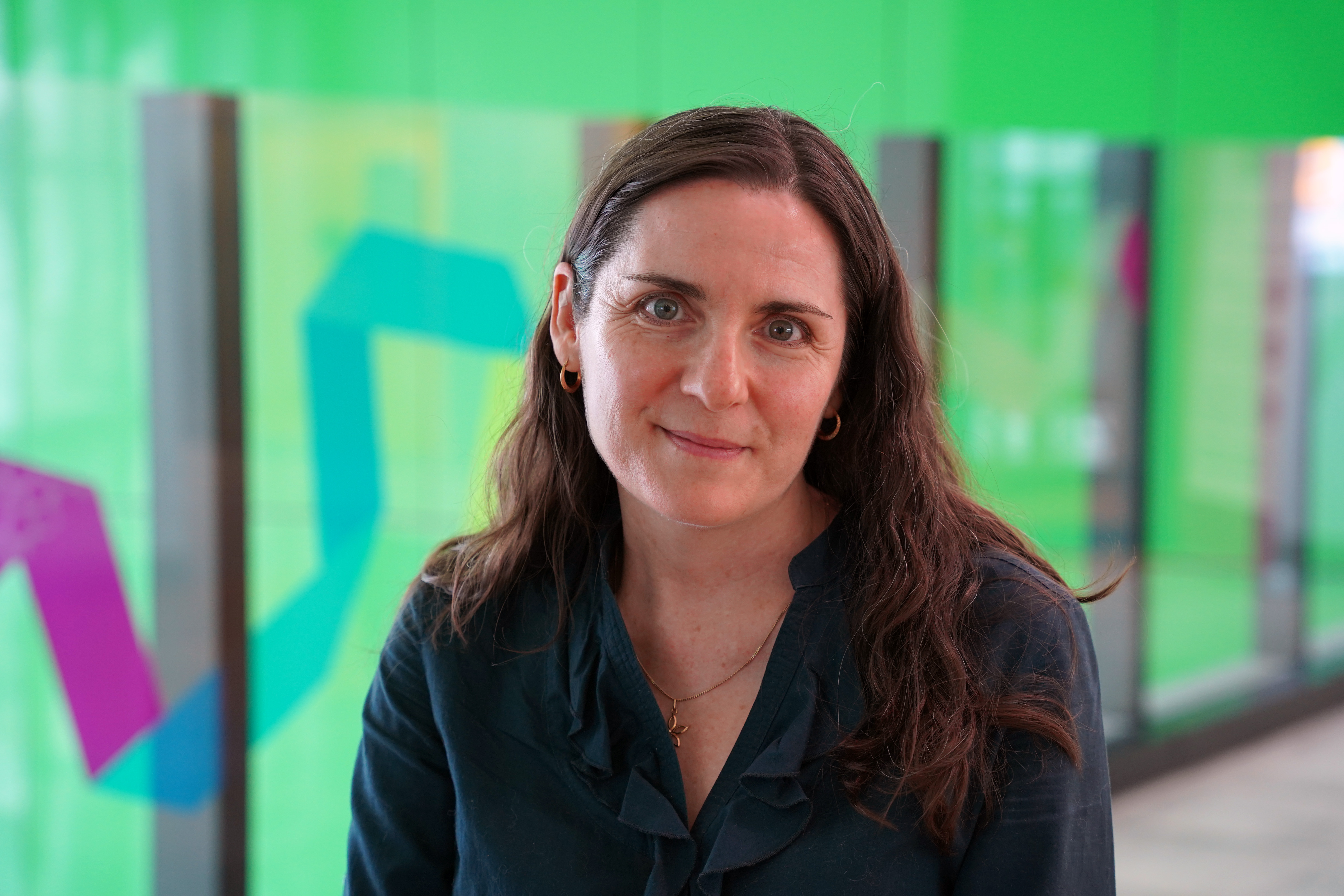
Associate Professor Jeneva Ohan will co-lead research in Embrace's childhood trauma group.
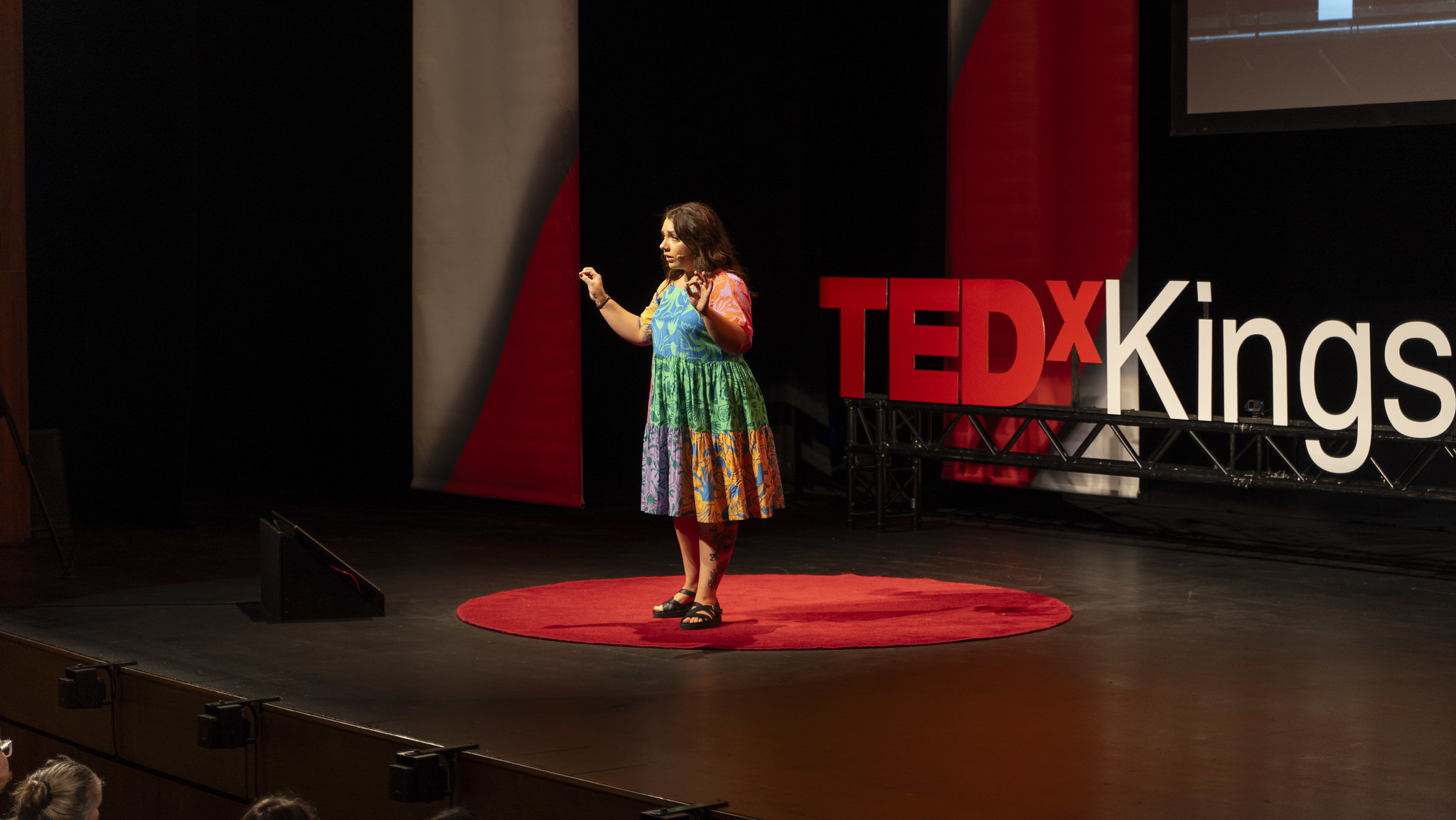
Senior researcher Dr Alix Woolard gives a talk on post-traumatic growth at TEDx Youth @ Kings Park
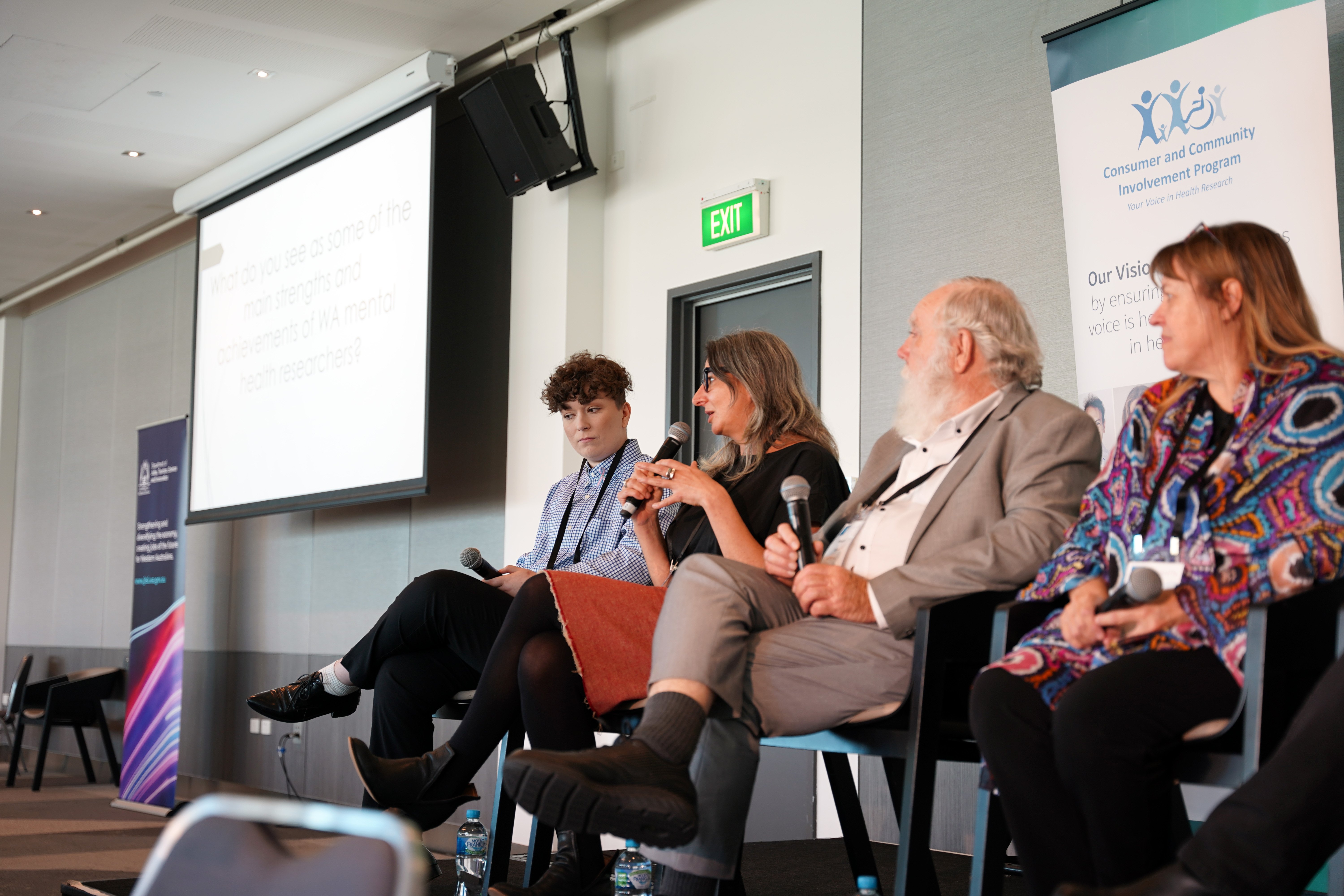
Embrace @ The Kids Research Institute Australia's Co-Directors Professor Ashleigh Lin and Professor Helen Milroy have welcomed the release of a new WA government mental health research strategy.

Discover resources and science activities for kids for the topic 'Poo and You!'.

Focusing on the developmental trajectories of respiratory health includes developing strategies to improve and support immune system function and development over the life course.
Multi-omics in combination with advanced computational methodologies synthesizes diverse omics data to provide deeper insights into molecular interactions and offers transformative potential for unravelling phenomenon behind disease complexities, improving diagnostics, disease prevention, and personalized treatments. This integrative strategy enables our understanding of gene-environment relationships, chronic disease progression, and the intricate molecular pathways involved in health.
Globally, as scale up of early childhood education (ECE) continues, monitoring ECE quality is imperative to promote service aspects that drive positive outcomes for children. Monitoring of ECE quality in low- and middle-income countries (LMICs) is scarce, limited by challenges in varied conceptualisations of quality, lack of measurement tools that reflect local culture and context, and implementation difficulties in low resource settings.
Malaria in Lao People's Democratic Republic (Lao PDR) has declined rapidly over the last two decades, from 279,903 to 3926 (99%) cases between 2001 and 2021. Elimination of human malaria is an achievable goal and limited resources need to be targeted at remaining hotspots of transmission.