
Search
Showing results for "A"
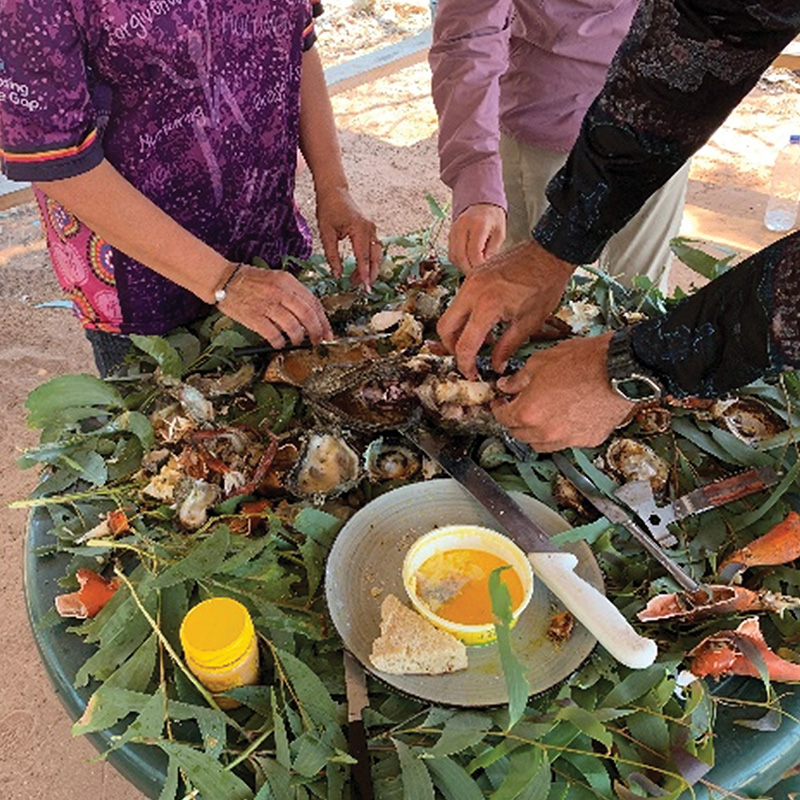
Researchers are collaborating with Community Elders to find out how bush tucker and traditional food can improve the health of Aboriginal children.

In this blog, Occupational Therapy Clinical Lead Marie Rodatz discusses the elements needed to create a neuro-affirming environment that supports neurodiverse individuals.
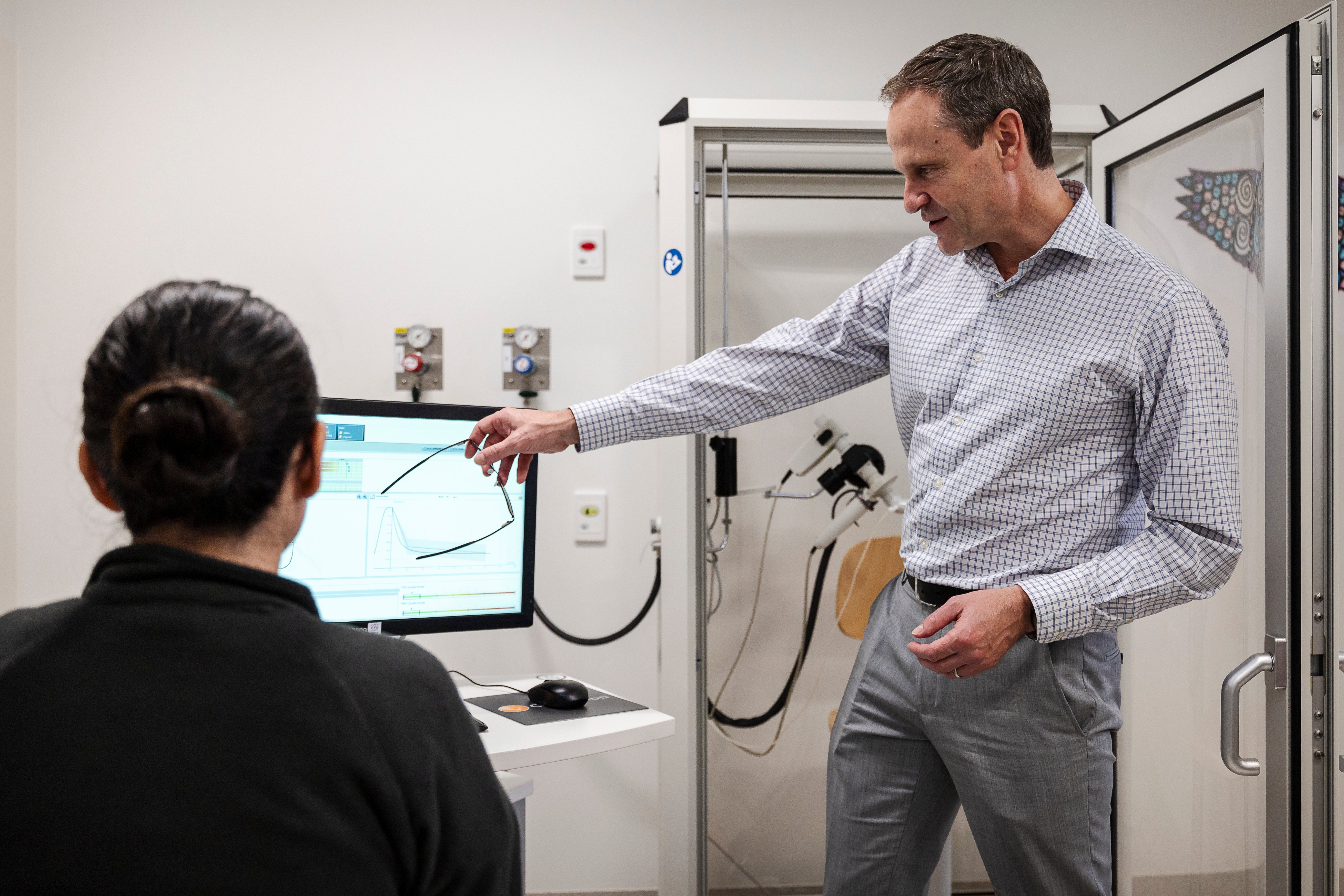
A new paper published in Frontiers in Pediatrics offers clinicians a practical roadmap to improve healthcare outcomes for Indigenous children, starting with respect, communication, and cultural understanding.
Septo-optic dysplasia (SOD) is a major cause of congenital hypopituitarism and is known to be associated with overweight and obesity in up to 44% of children. Given the role of the hypothalamus in hormonal regulation, we sought to assess the association of resting energy expenditure (REE), appetite and physical activity with SOD.
Trans adolescents experience and anticipate stigma to the detriment of their mental health; however, trans adolescents have rarely been consulted about their stigma experiences. This study aimed to understand trans adolescents’ lived experiences of experienced and anticipated stigma.
Influenza and COVID-19 vaccine uptake among pregnant women is sub-optimal. We assessed the effectiveness of a multi-component behavioural nudge intervention to improve COVID-19 and influenza vaccine uptake among pregnant women.
Amidst growing concerns over heightened natural disaster risks, this study pioneers an inquiry into the causal impacts of cyclones on the demand for private health insurance in Australia. We amalgamate a nationally representative longitudinal dataset with historical cyclone records, employing an individual fixed effects model to assess the impacts of various exogenously determined cyclone exposure measures.
Appropriate support for the health of children with an intellectual disability by parents and healthcare professionals is pivotal, given the high risk of chronic conditions. However, there is limited research that has collected important insights from parents on their learnings for supporting their child's evolving healthcare needs.
Osteoclasts are important regulators of bone remodeling, with an established role in maintaining skeletal homeostasis. The emergence of osteoimmunology has identified osteoclasts as key players in the immune system. In particular, osteoclasts can initiate bi-directional crosstalk mechanisms with hematopoietic stem cells and various immune cells, such as T cells, B cells and NK cells, to influence hematopoiesis and inflammatory response.
There is limited but consistent evidence that suggests prenatal factors, including maternal stress, may contribute to susceptibility for otitis media. We aimed to determine the effect of multiple life stress events during pregnancy on risk of acute and recurrent otitis media in offspring at three and five years of age.