
Search
Showing results for "A"
Given the beneficial effect of infant rotavirus vaccination efforts should be taken to optimize rotavirus vaccine coverage in those at highest risk
The Malaria Atlas Project (MAP) aims to disseminate free, accurate and up-to-date geographical information on malaria and associated topics. Our mission is to generate new and innovative methods to map malaria, to produce a comprehensive range of maps and estimates that will support effective planning of malaria
Given the paucity of data concerning long-term outcome, the authors undertook a meta-analysis to analyze morbidity in survivors of this disease.
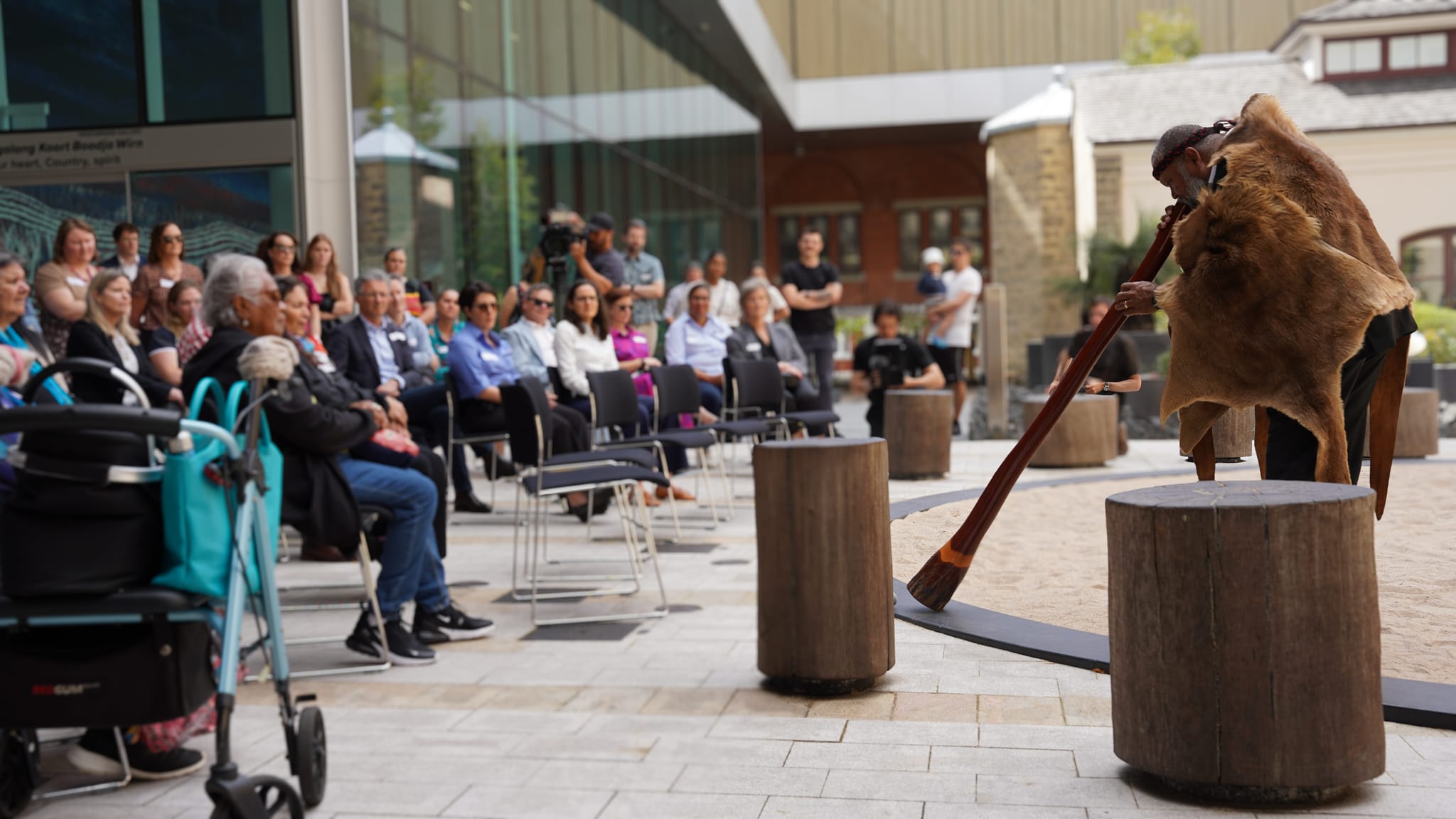
Barry Winmar began proceedings with a Welcome to Country and smoking ceremony.

As WA's first research collaboration dedicated to mental health, we work to do the research that the community wants to see happen.
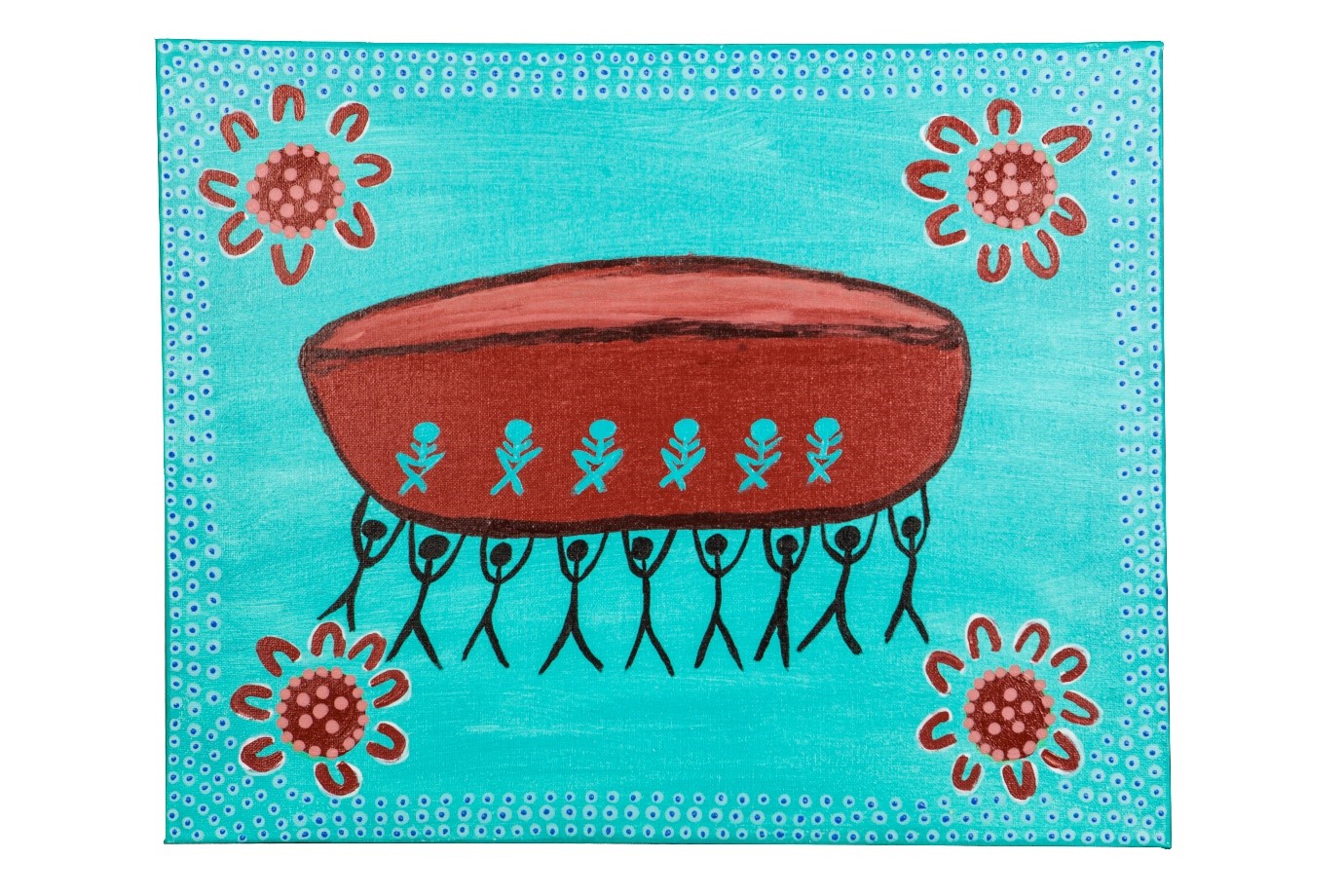
Brings the Aboriginal community(s) of Perth together with service providers & policy makers to improve outcomes for Aboriginal kids and their families.
Between 3rd - 5th May 2018, researchers from Australia, New Zealand, South Africa, and the United States (representing their Uganda collaboration) convened in Fremantle, Western Australia to attend the Strep A Spectrum Meetings: from Science to Strategy.
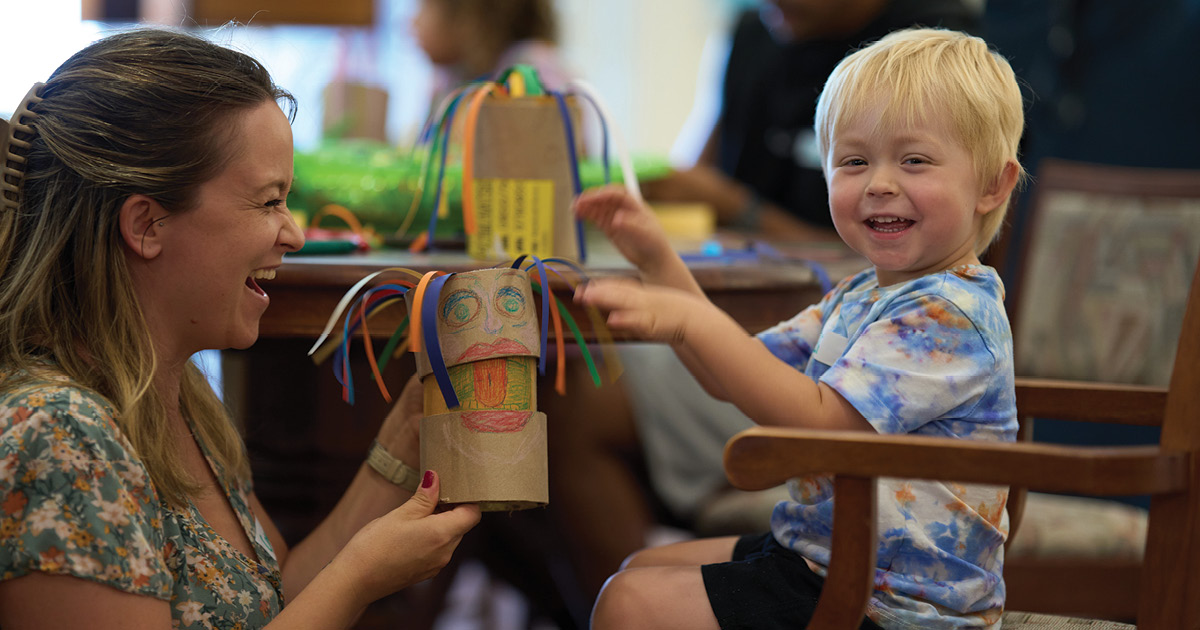
When author Maurice Sendak first sketched out the story of a rambunctious little boy sent to his room without supper, there’s no way he could have known his rollercoaster tale of childhood imagination would still be speaking to the hearts of wild young things more than six decades on.
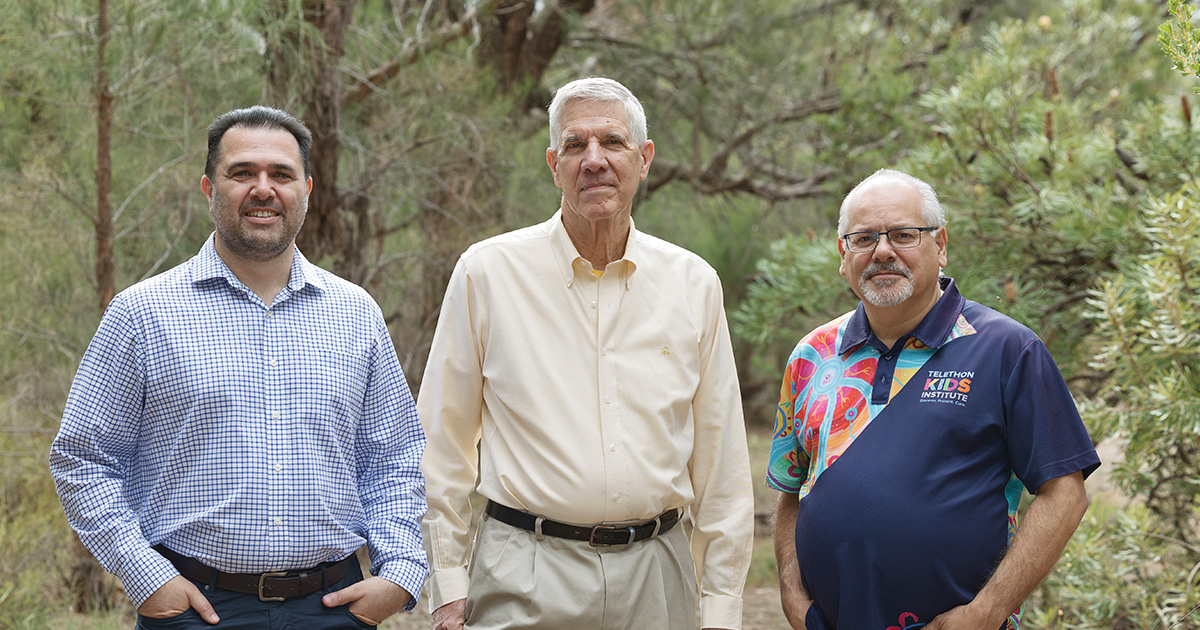
In 1998, The Kids Research Institute Australia embarked on one of the most ambitious population health projects in Western Australian history.
There is a large volume of research on the persistence of advantage and disadvantage across generations. Intergenerational studies typically address family resources as independent factors, which ignores how risks cluster together and accumulate over time.