
Search
Showing results for "A"

A new website for parents of trans children and young people across Australia is expected to improve family wellbeing and ultimately save lives after launching in May 2023.
Caregivers play a crucial role in supporting the development of their children's emotion regulation. This study validated the Parental Assistance with Child Emotion Regulation (PACER) Questionnaire in a sample of 491 caregivers of young children ≤ 5 years.
Christopher Blyth MBBS (Hons) DCH FRACP FRCPA PhD Centre Head, Wesfarmers Centre of Vaccines and Infectious Diseases; Co-Head, Infectious Diseases
Despite the use of dual antiemetic agents, postoperative nausea and vomiting (PONV) occurs in an unacceptably large number of patients post-tonsillectomy. There has been increased interest in alternative and non-pharmacological treatments for PONV e.g., chewing gum. We investigated if chewing a large confectionary jelly snake had prophylactic antiemetic effects postoperatively in young children.

Family: Children are a gift, born from country into a family, ancestry and culture as enduring as the universe.
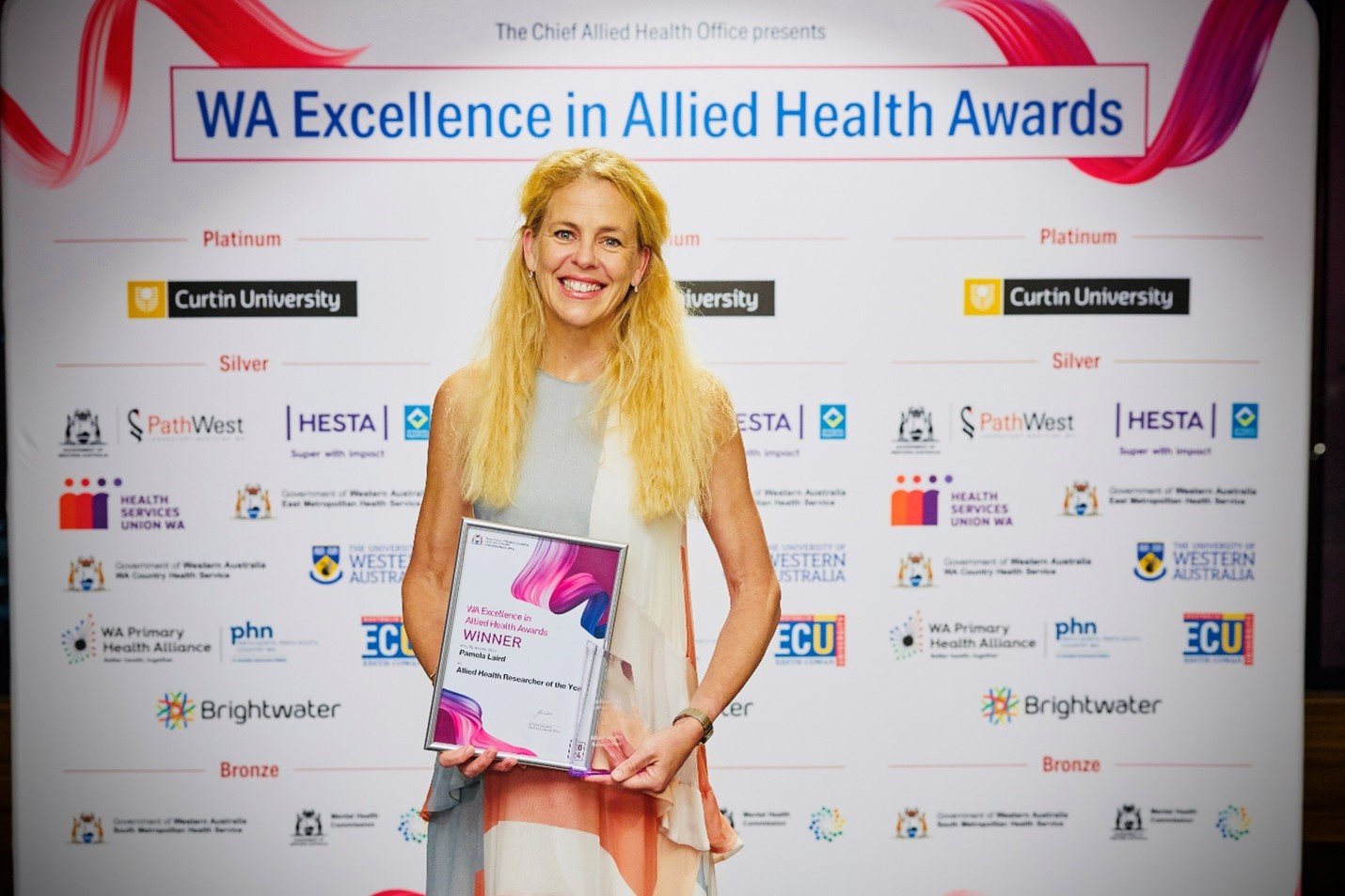
Congratulations to respiratory health clinician-researcher Dr Pamela Laird, who has won Allied Health Researcher of the Year at the WA Excellence in Allied Health Awards.
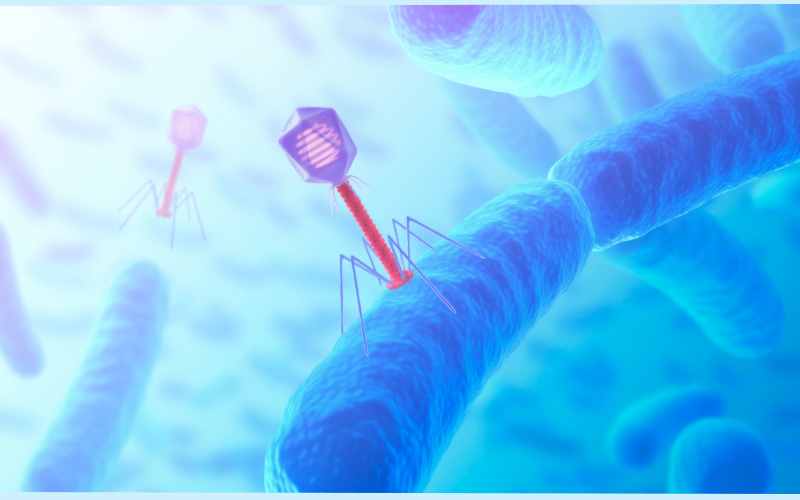
The Wal-yan Respiratory Research Centre is seeking expressions of interest from Western Australians to join an Antimicrobial Resistance (AMR) Community Reference Group, to provide vital community perspectives on the research activities into this global health concern.
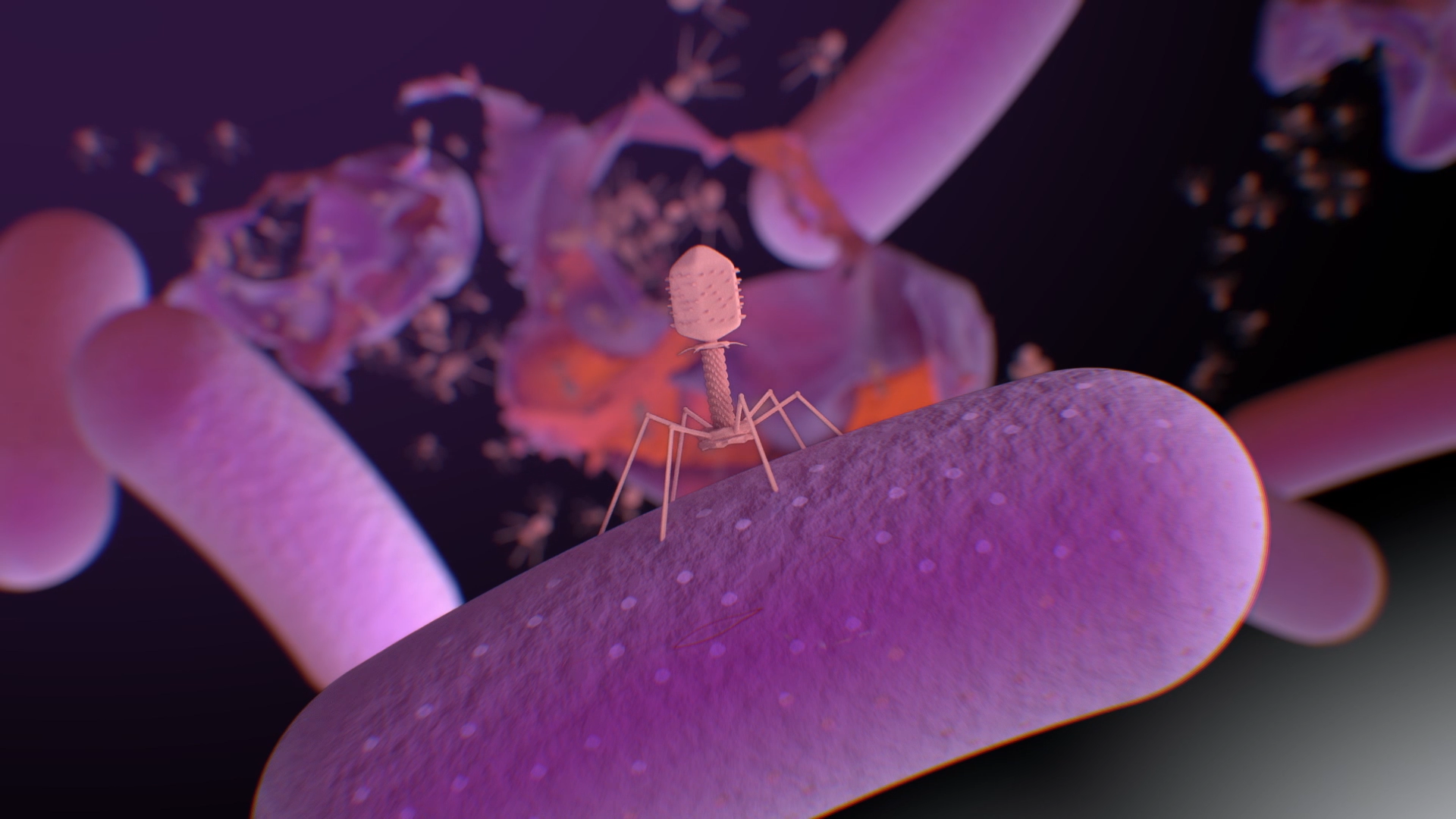
Phage WA have a number of projects underway and these cover a broad range of phage research areas.
Rhinoviruses (RV) are the most common respiratory viruses globally and a major cause of airway symptoms in children and individuals with asthma. Although more than 170 RV types exist across 3 species (RV-A, RV-B, RV-C), type-specific circulation patterns and age-related prevalence remain poorly defined.
Measures of autistic traits are only useful – for pre-diagnostic screening, exploring individual differences, and gaining personal insight – if they efficiently and accurately assess autism as currently conceptualised while maintaining psychometric validity across different demographic groups. We recruited 1322 autistic and 1279 non-autistic adults who varied in autism status (non-autistic, diagnosed autistic, self-identifying autistic) and gender (cisgender men, cisgender women, gender diverse) to assess the psychometric properties of the Comprehensive Autistic Trait Inventory, a recently developed measure of autistic traits that examines six trait domains using 42 self-report statements.