
Search
Showing results for "A"
Fetal androgens influence fetal growth as well as postnatal neurocognitive ability
This paper discusses changes in diagnostic criteria, decreasing age at diagnosis, improved case ascertainment, diagnostic substitution, and social influences.
Few studies have examined the dietary patterns of adolescents and the social and environmental factors that may affect them during this life stage.
Understanding patterns of bacterial carriage and otitis media (OM) microbiology is crucial for assessing vaccine impact and informing policy. The microbiology of OM can vary with geography, time, and interventions like pneumococcal conjugate vaccines (PCVs). We evaluated the microbiology of nasopharyngeal and middle ear effusions in children living in Western Australia, 11 years following the introduction of PCV13.
Studies on health insurance coverage often rely on measures self-reported by respondents, but the accuracy of such measures has not been thoroughly validated. This paper is the first to use linked Australian National Health Survey and administrative population tax data to explore the accuracy of self-reported private health insurance (PHI) coverage in survey data.
As families increase their use of mobile touch screen devices (smartphones and tablet computers), there is potential for this use to influence parent-child interactions required to form a secure attachment during infancy, and thus future child developmental outcomes. Thirty families of infants (aged 9-15 months) were interviewed to explore how parents and infants use these devices, and how device use influenced parents' thoughts, feelings and behaviours towards their infant and other family interactions.

Research into the potential health impacts of vaping is starting to back up concerns that electronic cigarettes (e-cigarettes) are not as benign as many people think.
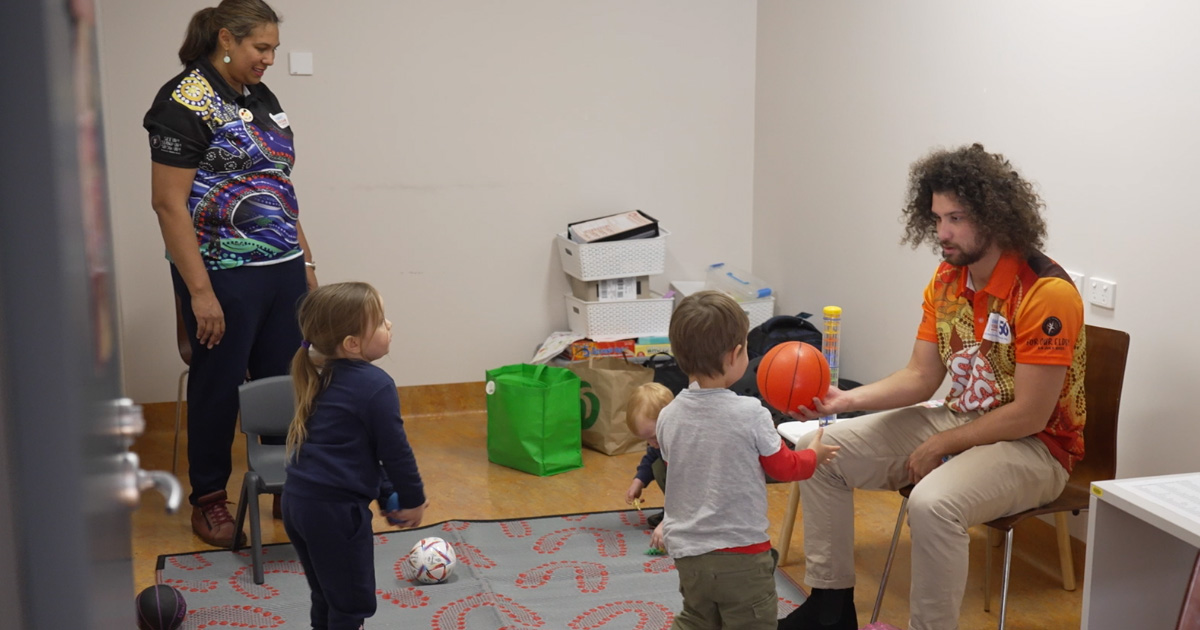
Complex health needs of Indigenous children are being fast-tracked by a unique project designed to reduce red tape and deliver timely paediatric services.
Nontypeable Haemophilus influenzae (NTHi) is the most common bacterial otopathogen associated with otitis media (OM). NTHi persists in biofilms within the middle ears of children with chronic and recurrent OM. Australian Aboriginal children suffer exceptionally high rates of chronic and recurrent OM compared to non-Aboriginal children.
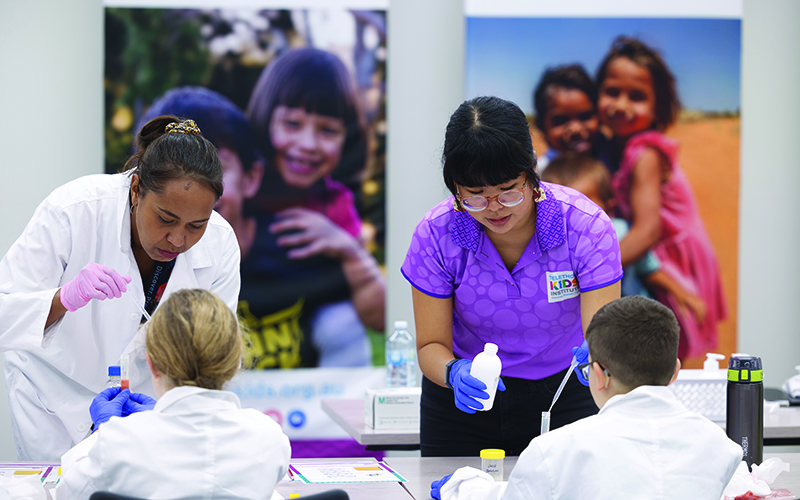
Strawberries, slime and sliced bread are being used as tools to educate and inspire the next generation of researchers, as part of the The Kids Discovery Centre Schools & Outreach Program.