
Search
Showing results for "A"
Although abilities were markedly impaired for the majority with the CDKL5 disorder, some females and a few males had better functional abilities
Stereotypic hand movements are a feature of Rett Syndrome but few studies have observed their nature systematically.
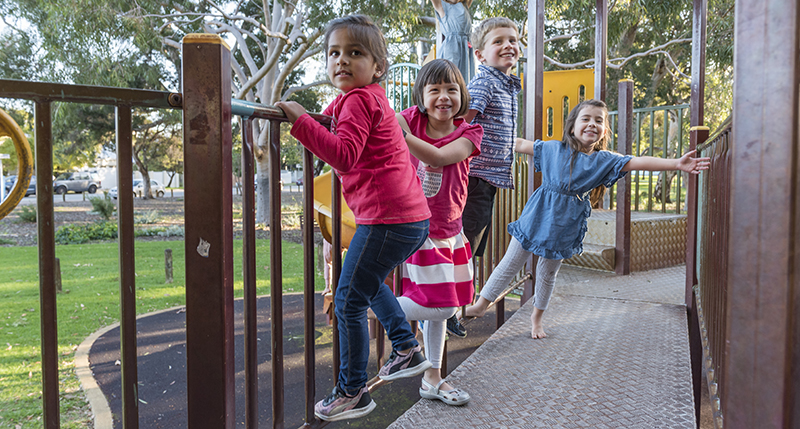
Eight The Kids Research Institute Australia-led projects will benefit from a Western Australian Government boost to health research for the State’s children and young people.
The speed with which research projects on the coronavirus have been put together has consumer advocates concerned that a vital voice will be missing – that of the community.
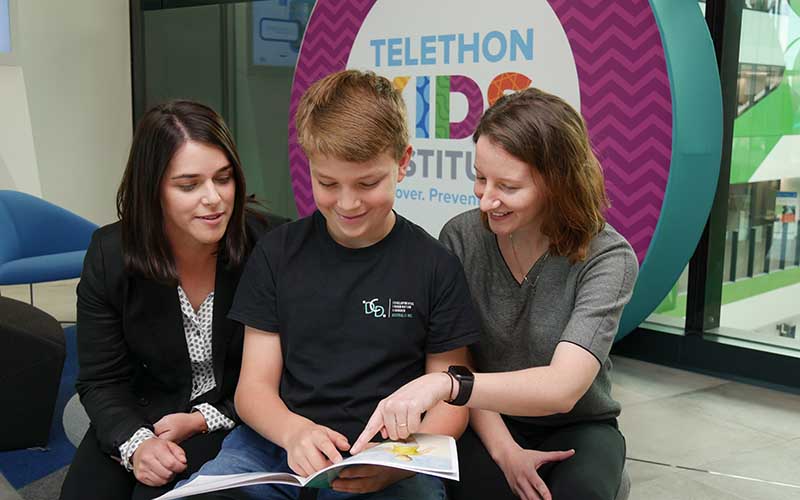
Two The Kids Research Institute Australia researchers behind a new book featuring the voices of Kids with DCD.
The Kids Research Institute Australia has two researchers and an innovative science engagement initiative as finalists in the 2017 Premier’s Science Awards.
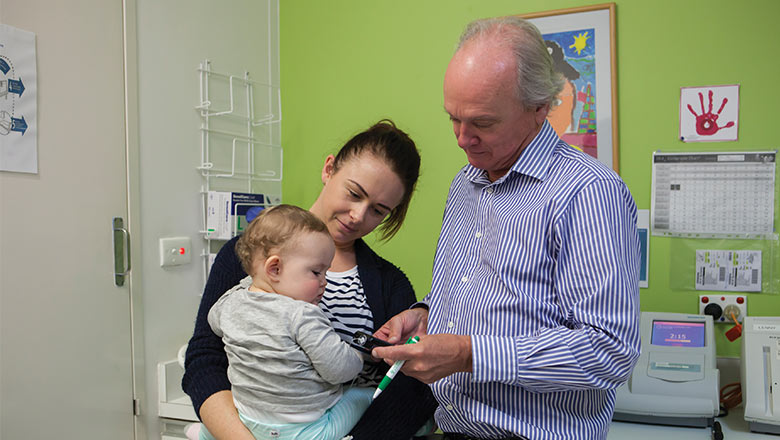
Diabetes research got a huge boost when the WA Children’s Diabetes Research and Education Centre for Research Excellence opened late last year.
Seasonal influenza vaccine is effective against influenza hospitalisations, but little is known about non-specific effects of the vaccine on other respiratory pathogens with similar seasonal patterns. We aimed to assess the causal impact of seasonal influenza vaccine on laboratory-confirmed hospitalisations for respiratory syncytial virus (RSV) in children using an instrumental variable strategy.
Despite vaccination, influenza and otitis media (OM) remain leading causes of illness. We previously found that the human respiratory commensal Haemophilus haemolyticus prevents bacterial infection in vitro and that the related murine commensal Muribacter muris delays OM development in mice. The observation that M muris pretreatment reduced lung influenza titer and inflammation suggests that these bacteria could be exploited for protection against influenza/OM.
In this blog, Clinical Psychology Lead Dr Mei’en Lim offers families advice on how to navigate COVID-19 with an autistic child.