
Search
Showing results for "A"
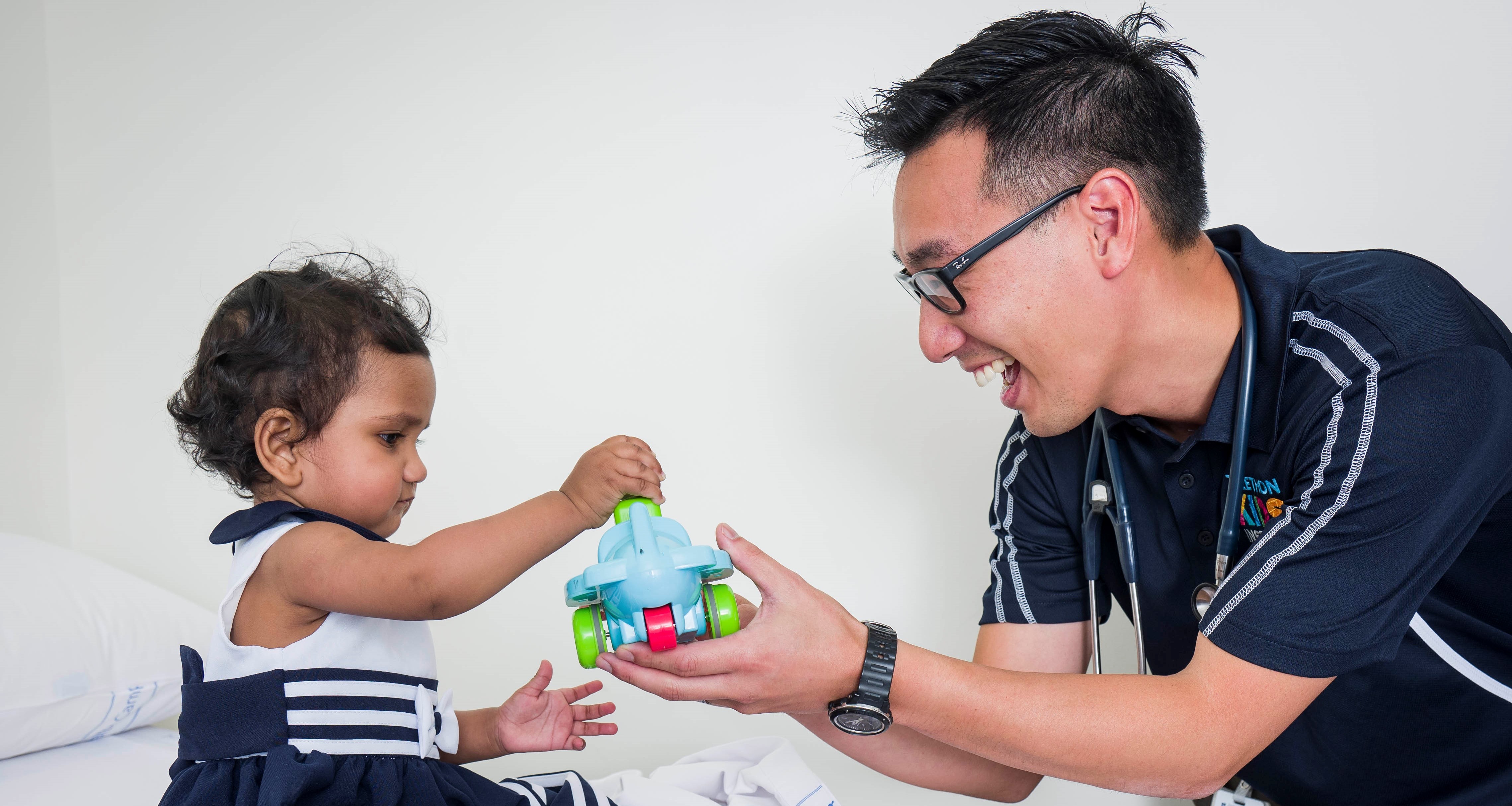
The ORIGINS Project, a collaboration between The Kids and Joondalup Health Campus, is collecting data and biological samples from 10,000 families over 10 years. Its work is also giving participating families a valuable heads up on health issues.
The social determinants of health, as described by the World Health Organisation (WHO), are 'the non-medical factors' that influence health outcomes. They are the conditions in which people are born, grow, work, live, and age, and the wider set of forces and systems shaping the conditions of daily life. According to the WHO, social determinants of health account for between 30-55% of health outcomes, and children can be particularly vulnerable to their impacts.
We aimed to assess the direct protective effect of 13 valent pneumococcal conjugate vaccine (13vPCV) against invasive pneumococcal pneumonia (IPP; including pneumonia and empyema) in children using a nation-wide case-control study across 11 paediatric tertiary hospitals in Australia.
This study aimed to systematically review the literature on the associations between birth spacing and developmental outcomes in early childhood (3–10 years of age). Studies examining the associations between interpregnancy intervals and child development outcomes during and beyond the perinatal period have not been systematically reviewed.
The study aimed to explore sociocultural factors influencing the risk of malaria and practices and beliefs towards malaria prevention, transmission and treatment in a remote village in Khatyad Rural Municipality (KRM) of Nepal. A sequential exploratory mixed methods approach was used.
Persistent respiratory bacterial infections are a clinical burden in several chronic inflammatory airway diseases and are often associated with neutrophil infiltration into the lungs. Following recruitment, dysregulated neutrophil effector functions such as increased granule release and formation of neutrophil extracellular traps (NETs) result in damage to airway tissue, contributing to the progression of lung disease.
Despite advances in asthma therapeutics, the burden remains highest in preschool children; therefore, it is critical to identify primary care tools that distinguish preschool children at high risk for burdensome disease for further evaluation.
Citation: Junaid M, Downs J, Groza T, Lassmann T, Baker S, et al. The United Nations convention on rare diseases—A framework for research
Studies reported the prevalence of herbal medicines used for various maternal conditions across regions in Tanzanian communities. However, the lack of a national estimate of herbal medicine use makes it challenging for policymakers, herbal medicine regulators, and healthcare practitioners to make informed decisions on herbal medicine-related policies and practices to optimize their contribution to maternal healthcare.
The extent of lung hypoplasia impacts the survival and severity of Smoking prevalence remains high amongst people with mental illness, however, they are less likely to be screened for tobacco dependence and offered treatment to quit.