
Search
Showing results for "A"
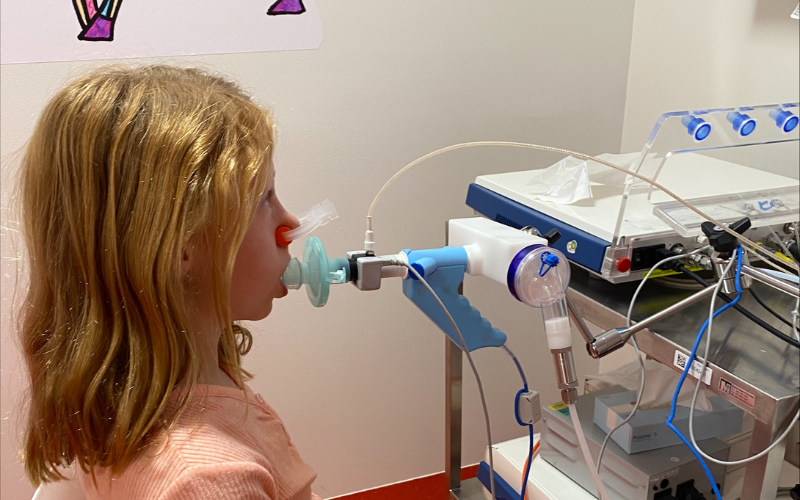
A new research project – the WA Paediatric Bronchiectasis Cohort Study – officially commenced this month with the aim of looking at children with bronchiectasis in Western Australia, like nine-year-old Holly (pictured), to better understand how this disease develops during childhood.
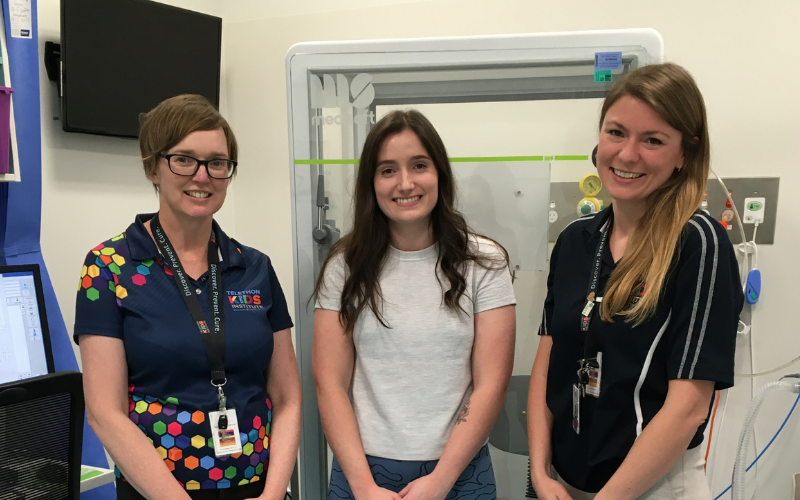
A study which set out to determine ways to predict the long-term lung health of young adults born very preterm has shown that a childhood history of respiratory hospital admission should be a key consideration in the management of preterm children and adults.

Dr Daniel Laucirica, a research officer with the Wal-yan Respiratory Research Centre, will undertake new research into potential treatment strategies to prevent lung damage in people with cystic fibrosis (CF), under the mentorship of Associate Professor Anthony Kicic - made possible by a Vertex Cyst

Cystic Fibrosis Clinical Isolates of Aspergillus fumigatus Induce Similar Muco-inflammatory Responses in Primary Airway Epithelial Cells
Respiratory infection rates differ between geographically distant paediatric cystic fibrosis cohorts ABSTRACT Respiratory infections are a major

The Supporting Training of Aboriginal Researchers Staff program (STARS) is a diverse program with flexible awards to equip the next generation of Aboriginal leaders in our community.

Illuminate Awards are a philanthropic initiative - shining a light on child health research to help all kids lead happy, healthy lives.
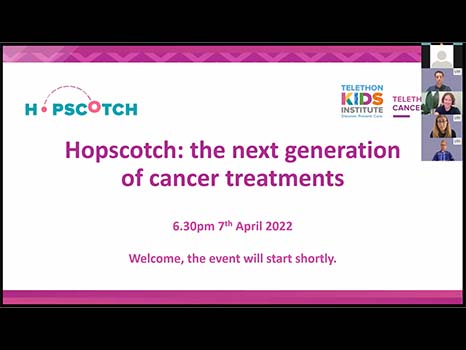
Our first Hopscotch event of 2022 explored exciting new frontiers of cancer treatments happening in the WA Kids Cancer Centre.
Otitis media with effusion (OME) affects hearing, speech development, and quality of life (QoL) in children. The 'Blow, Breathe, Cough' (BBC) intervention promotes nasal, respiratory, and middle ear clearance through nose blowing, deep breathing, coughing, and hand hygiene. It shows promise in resolving OME but lacks randomized-controlled trial (RCT) evaluation. This paper presents a RCT protocol evaluating BBC's effect on OME resolution, hearing, speech, and QoL in children aged two to seven years.
The rising incidence of invasive meningococcal disease (IMD) caused by Neisseria meningitidis serogroup W in Western Australia, Australia, presents challenges for prevention. We assessed the effects of a quadrivalent meningococcal vaccination program using 2012-2020 IMD notification data.