
Search
Showing results for "A"

The Adolescent Health and Wellbeing team works in partnership with young people to understand their priority needs and the best ways to address these. This includes informing evidence-based policies and co-designing accessible and responsive health services.
Amy Andrew Carol Deborah Gail Helen Jenny Kandice Martyn Videos Finlay-Jones Whitehouse Watch and listen to Andrew Bower Strickland Alvares Leonard
The Australian Research Council (ARC) Centre of Excellence for Children and Families Over the Life Course
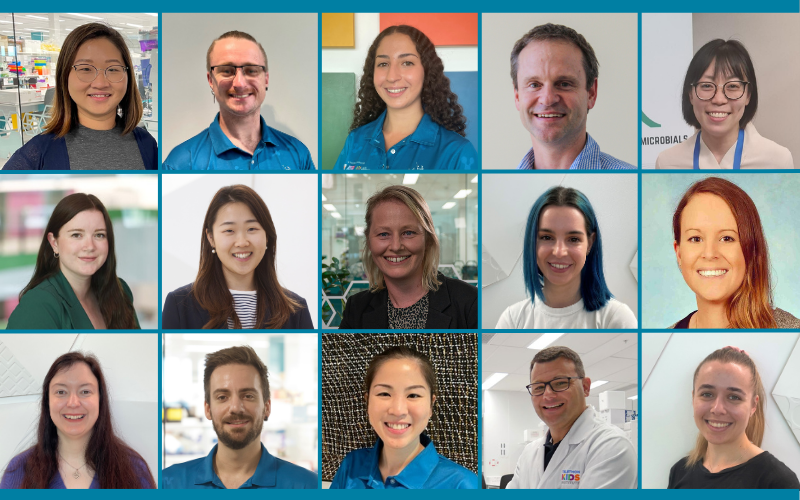
More than 15 researchers from the Wal-yan Respiratory Research Centre will head to the Gold Coast this weekend to take part in at The Thoracic Society of Australia and New Zealand and The Australia and New Zealand Society of Respiratory Science (TSANZSRS) Annual Scientific Meeting (ASM).
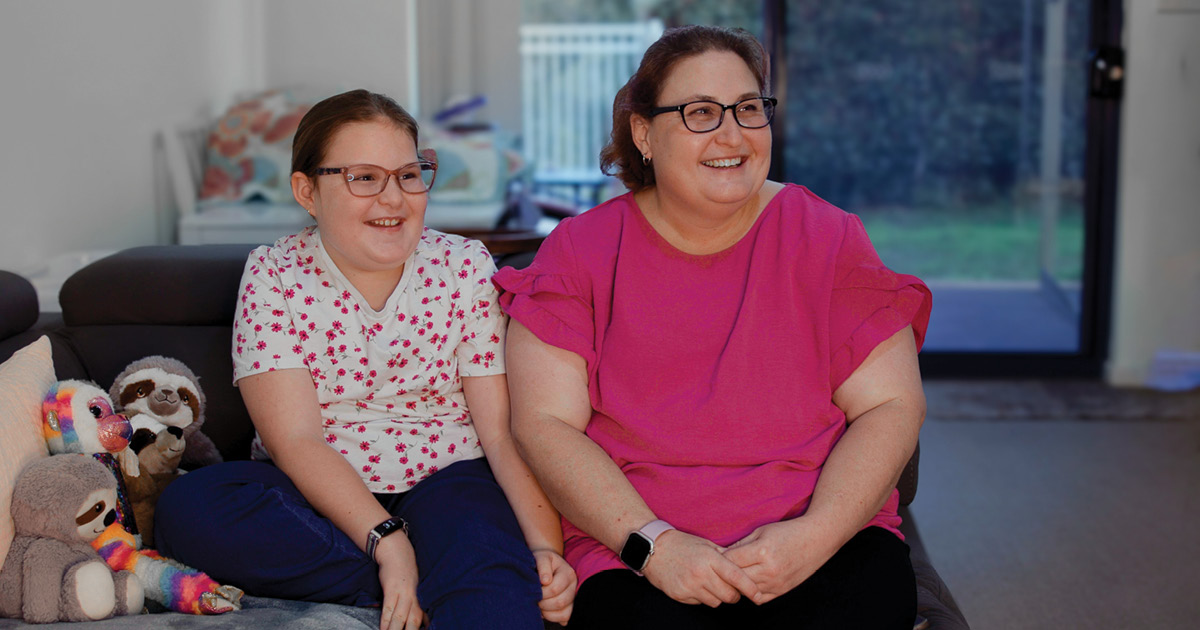
Helping children build resilience and cope with the trauma associated with medical emergencies and chronic health conditions is the focus of a promising pilot program being undertaken by The Kids Research Institute Australia.
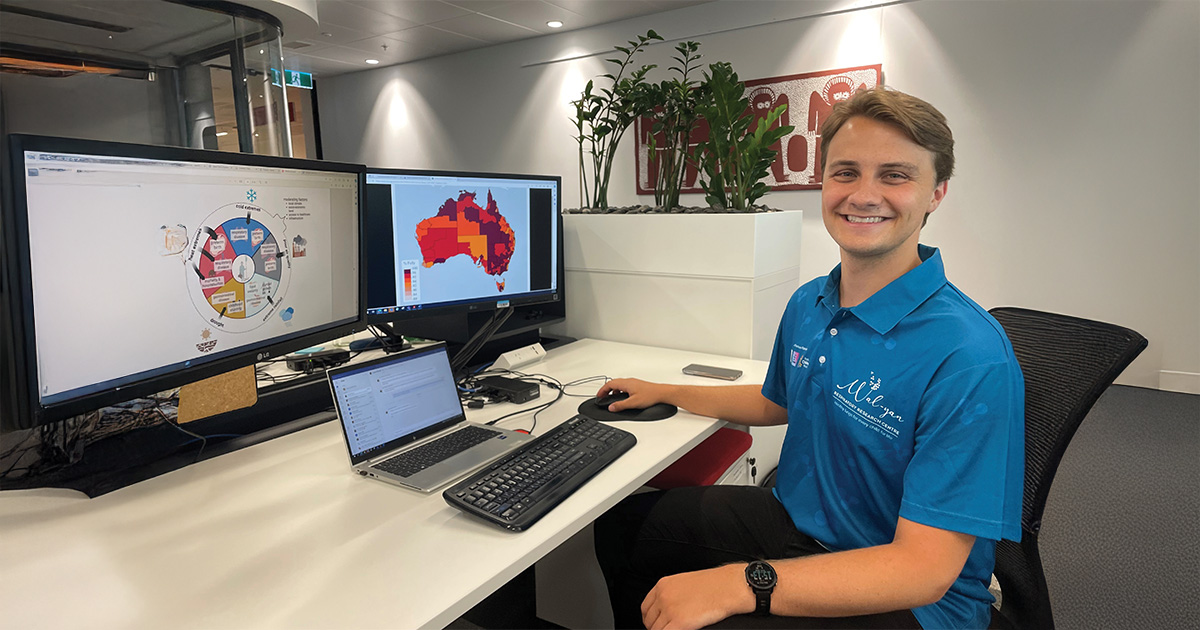
Researchers from The Kids Research Institute Australia who are working to better understand the serious threat climate change poses to children’s health have led a study revealing the dramatically heightened risk of preterm births as the world gets hotter.
T cells engineered to express chimeric-antigen receptors (CAR-T cells) can effectively control relapsed and refractory haematological malignancies in the clinic. However, the successes of CAR-T cell therapy have not been recapitulated in solid tumours due to a range of barriers such as immunosuppression, poor infiltration, and tumour heterogeneity.
Pathogenic variants in the cyclin-dependent kinase-like 5 (CDKL5) gene are associated with CDKL5 deficiency disorder (CDD), a severe X-linked developmental and epileptic encephalopathy.
Acute lymphoblastic leukemia expressing the gamma delta T-cell receptor (γδ T-ALL) is a poorly understood disease. We studied 200 children with γδ T-ALL from 13 clinical study groups to understand the clinical and genetic features of this disease. We found age and genetic drivers were significantly associated with outcome.
The first few days of life are characterized by rapid external and internal changes that require substantial immune system adaptations. Despite growing evidence of the impact of this period on lifelong immune health, this period remains largely uncharted.