
Search
Showing results for "A"

Comparatively few children have tested positive for coronavirus (COVID-19). Here’s what we know so far about how children are affected.
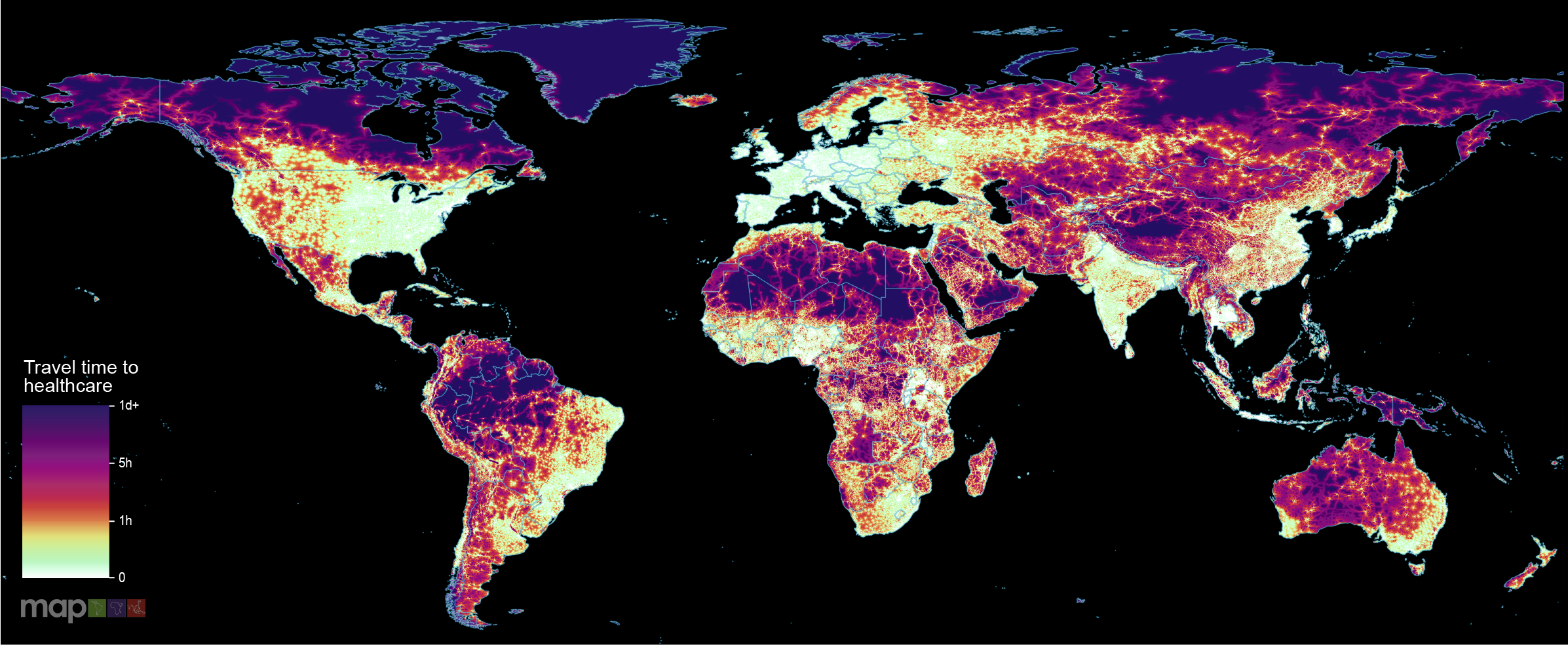
New research which maps the entire global population’s travel time to their nearest healthcare facility has revealed major inequalities in access to healthcare depending on whether people have access to motorised transport or not.
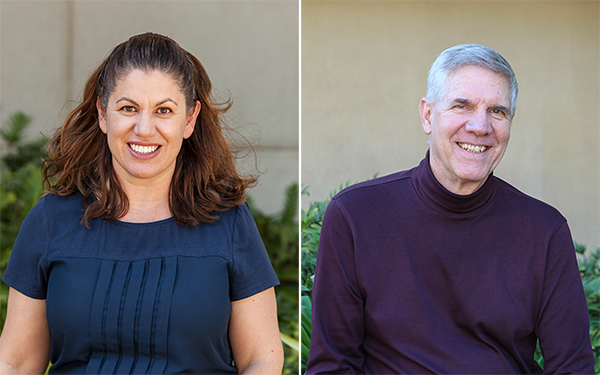
Two highly respected The Kids Research Institute Australia researchers have been named as finalists in the 2018 Premier’s Science Awards.
The Kids Research Institute Australia is conducting a research study to evaluate a 4-month trial ban on the sale of energy drinks to children in all retail stores in Bridgetown.
Brad Carrington Fiona Farrant Shepherd Stanley BSc (Hons), PhD PhD FAA FASSA MSc MD FFPHM FAFPHM FRACP FRANZCOG HonDSc HonDUniv HonFRACGP HonMD

September marks the three-month milestone of an intensive health promotion campaign in the East Kimberley region, which aims to raise awareness of the dangers of a chronic wet cough in Aboriginal children.
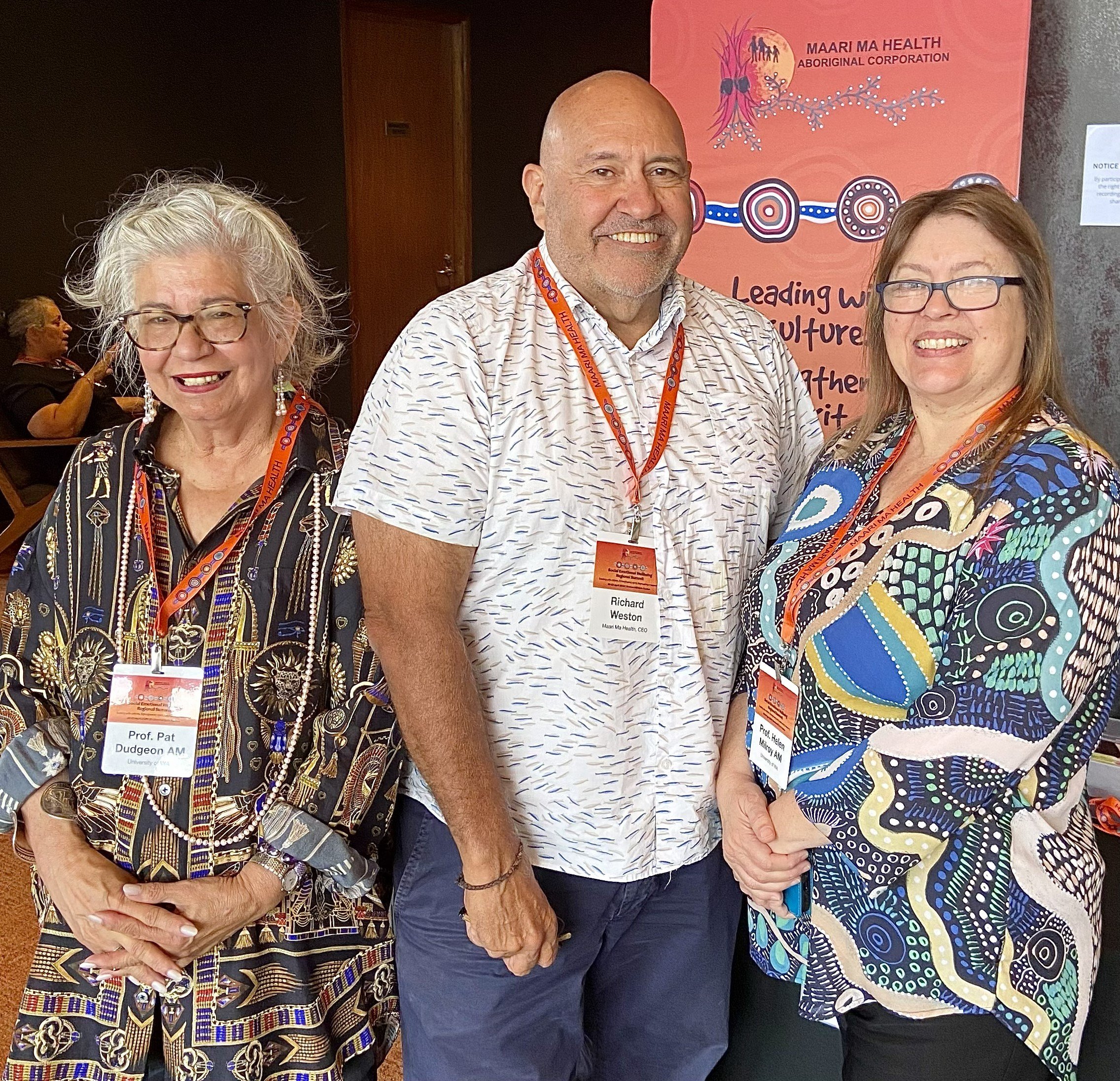
Professor Pat Dudgeon (UWA), Richard Weston (Maari Ma Health CEO), and Professor Helen Milroy

Our team’s vision is to reduce the burden of infectious diseases in children and their families through comprehensive approaches to understanding the burden of disease, developing and optimising diagnosis and treatment strategies and evaluating and informing current and future prevention programs.
Food allergies have become more common in our community, with up to one in ten young children now affected. Reactions can range from mild hives to life threatening anaphylaxis and breathing difficulties. The most common food allergies are to egg, peanut, tree nuts, cow’s milk, fish, shellfish, sesame, wheat and soy.
Staphylococcus aureus is a common cause of bacteremia, yet the epidemiology and predictors of poor outcome remain inadequately defined in childhood. ISAIAH (Invasive Staphylococcus aureus Infections and Hospitalizations in children) is a prospective, cross-sectional study of S. aureus bacteremia in children hospitalized in Australia and New Zealand over 24 months.