
Search
Showing results for "A"
Influenza and COVID-19 vaccine uptake among pregnant women is sub-optimal. We assessed the effectiveness of a multi-component behavioural nudge intervention to improve COVID-19 and influenza vaccine uptake among pregnant women.
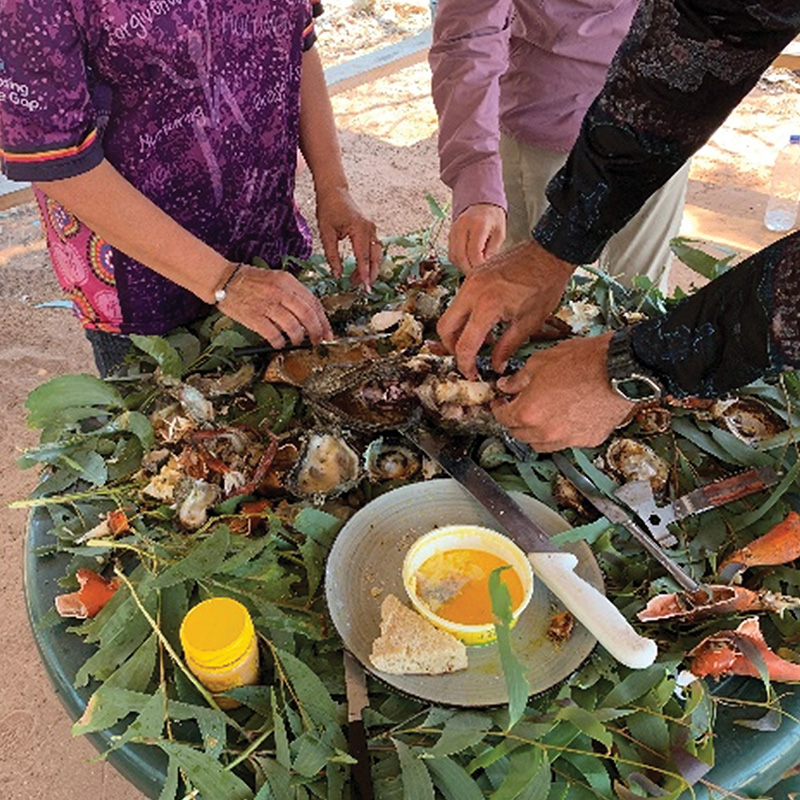
Researchers are collaborating with Community Elders to find out how bush tucker and traditional food can improve the health of Aboriginal children.
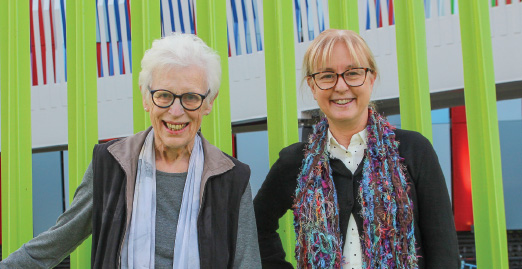
The Kids Research Institute Australia is helping scientists across the globe inch their way towards clinical trials which could, at last, provide relief for children and families dealing with CDKL5.
The immunological mechanisms that contribute to multiple sclerosis (MS) differ between males and females. Females are 2-3 times more likely to develop MS compared to males, however the reason for this discrepancy is unknown. Once MS is established, there is a more inflammatory yet milder form of disease in females whereas males generally suffer from more severe disease and faster progression, neural degradation, and disability.
A balanced approach toward sun exposure and protection is needed by young people. Excessive sun exposure increases their risk for skin cancers such as melanoma, whereas some exposure is necessary for vitamin D and healthy bones. We have developed a new iOS smartphone app-Sun Safe-through a co-design process, which aims to support healthy and balanced decision-making by young teenagers (aged 12-13 years).
The study investigated the effect of seizure and medication burden at initial contact with the International CDKL5 Disorder Database on subsequent development and clinical severity and compared quality of life among those whose development progressed, remained stable, or regressed between baseline and follow-up.
People with a disability may spend more time sitting and lying (“downtime”) and less time standing and walking (“uptime”). Caregivers and therapists supporting individuals with Rett syndrome were surveyed, aiming to gather insights on how to support participation in “uptime” activities.
Rett syndrome is a genetically caused neurodevelopmental disorder associated with functional deficits and comorbidities. This study investigated relationships between genotype, functional abilities and comorbidities and quality of life in Rett syndrome.
To investigate the association between energy drink (ED) use and sleep-related disturbances in a population-based sample of young adults from the Raine Study.
B cells are critical to the development of multiple sclerosis (MS), but the mechanisms by which they contribute to the disease are poorly defined. We hypothesised that the expression of CD32b (FcγRIIb), a receptor for the Fc region of IgG with inhibitory activities in B cells, is lower on B cell subsets from people with clinically isolated syndrome (CIS) or MS. CD32b expression was highest on post-naive IgM+ B cell subsets in healthy controls. For females with MS or CIS, significantly lower CD32b expression was identified on IgM+ B cell subsets, including naive and IgMhi MZ-like B cells, when compared with control females. Lower CD32b expression on these B cell subsets was associated with detectable anti-Epstein Barr Virus viral capsid antigen IgM antibodies, and higher serum levels of B cell activating factor. To investigate the effects of lower CD32b expression, B cells were polyclonally activated in the presence of IgG immune complexes, with or without a CD32b blocking antibody, and the expression of TNF and IL-10 in B cell subsets was assessed.