
Search
Showing results for "A"
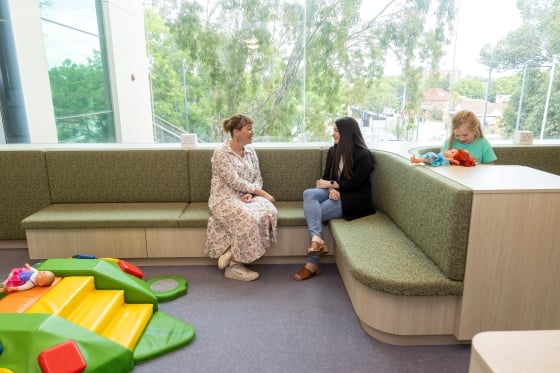
In this blog, Occupational Therapy Clinical Lead Marie Rodatz discusses the elements needed to create a neuro-affirming environment that supports neurodiverse individuals.
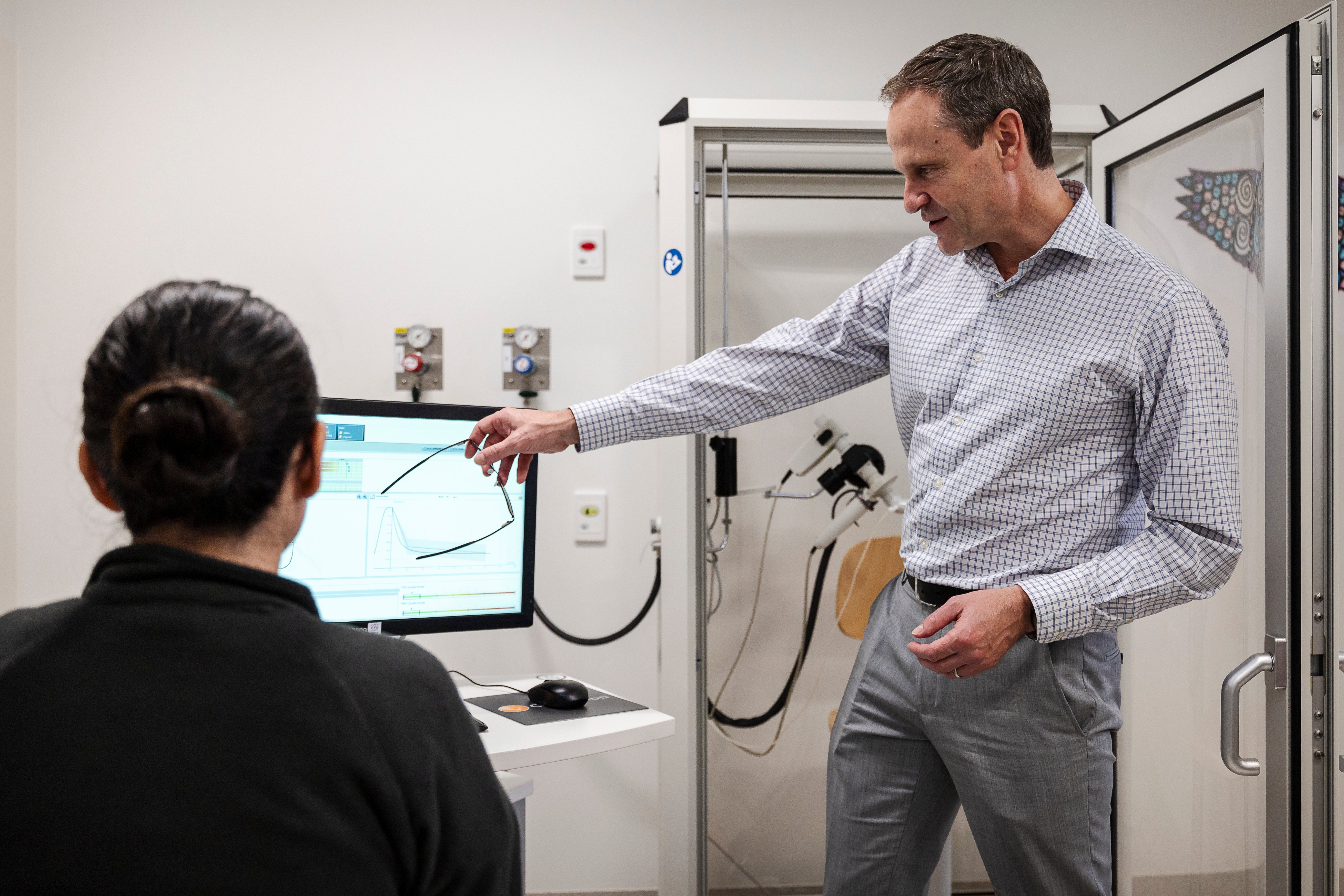
A new paper published in Frontiers in Pediatrics offers clinicians a practical roadmap to improve healthcare outcomes for Indigenous children, starting with respect, communication, and cultural understanding.
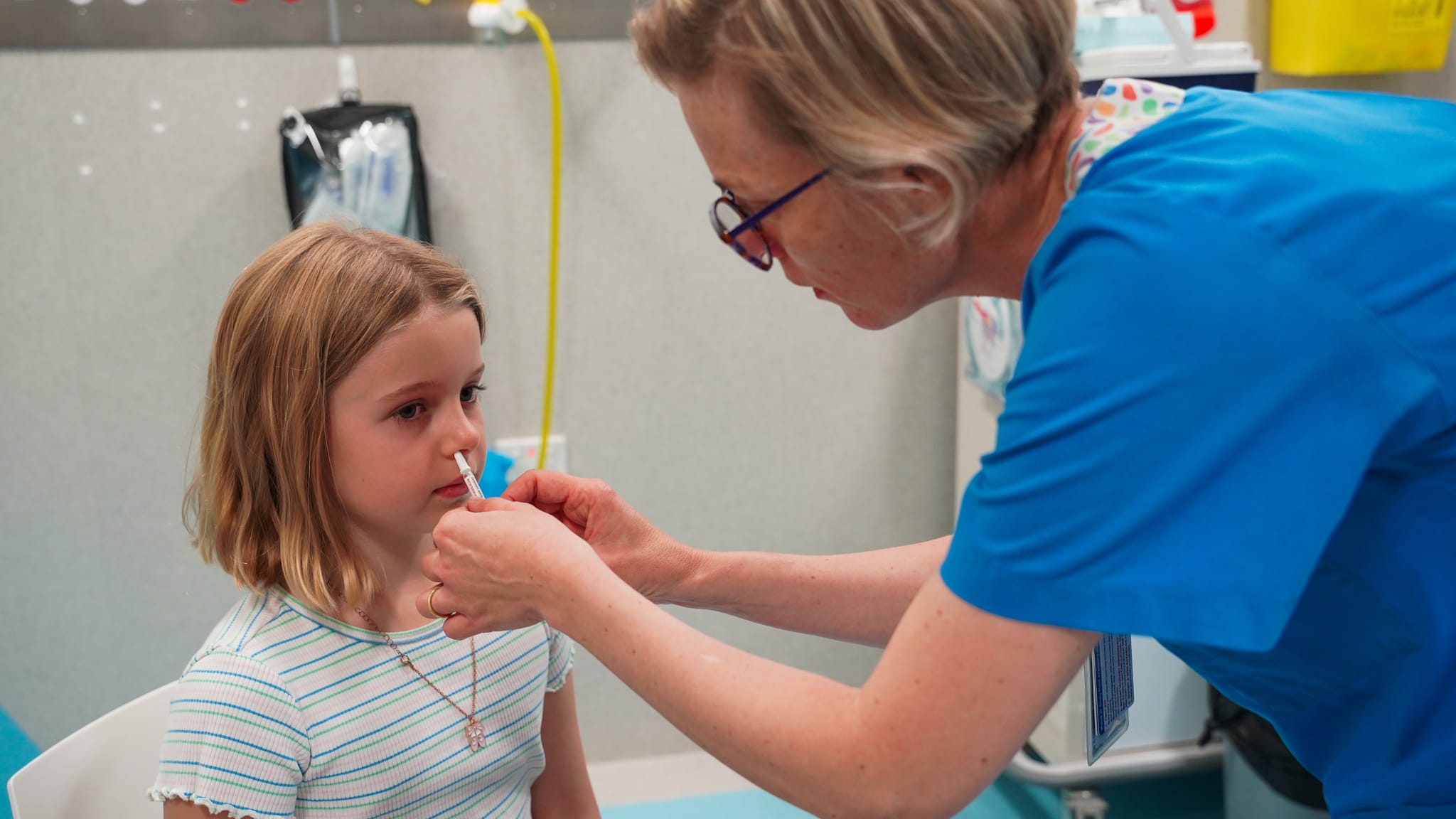
Influenza (commonly known as the flu) is caused by a highly contagious virus spread mainly through coughing and sneezing. An annual flu vaccination is the most effective way to prevent flu outbreaks.
The Rett Syndrome Behaviour Questionnaire (RSBQ) describes behavioural and emotional features. This study investigated total RSBQ score trajectories and their clustering, and for trajectory groups, relationships with genotype and mobility, weight-for-age z scores, and seizure frequency.
Rates of mental illness are disproportionately high for young adult and higher education (e.g., university student) populations. As such, universities and tertiary institutions often devote significant efforts to services and programs that support and treat mental illness and/or mental distress. However, within that portfolio of treatment approaches, structured exercise has been relatively underutilised and greater research attention is needed to develop this evidence base.
MECP2 duplication syndrome (MDS) is a rare, X-linked, neurodevelopmental disorder resulting from the duplication of the methyl-CpG-binding protein 2 (MECP2) gene. The clinical features of MDS include severe intellectual disability, global developmental delay, seizures, recurrent respiratory infections, and gastrointestinal problems. The aim of this qualitative study was to explore how the parents of children with MDS manage their child's seizures, recurrent respiratory infections, and gastrointestinal symptoms, and the impact on them as parents.
Cyclin-dependent kinase-like 5 (CDKL5) gene pathogenic variants result in CDKL5 deficiency disorder (CDD). Early onset intractable epilepsy and severe developmental delays are prominent symptoms of CDD. Comorbid sleep disturbances are a major concerning symptom for families.
Individuals with Prader-Willi syndrome (PWS) often have excessive daytime sleepiness and emotional/behavioral disturbances. The objective of this study was to examine whether daytime sleepiness was associated with these emotional/behavioral problems, independent of nighttime sleep-disordered breathing, or the duration of sleep.
CDKL5 deficiency disorder (CDD), a severe developmental and epileptic encephalopathy, is being diagnosed earlier with improved access to genetic testing, but this may also have unanticipated impacts on parents’ experience receiving the diagnosis. This study explores the lived experience of parents receiving a diagnosis of CDD for their child using mixed methods.
MECP2 duplication syndrome is a rare but important diagnosis in children because of the burden of respiratory illness and recurrence risk