
Search
This article examines the relationship between preschool quality and children’s early development in a sample of over 7900 children enrolled in 578 preschools in rural Indonesia.

Principal Research Fellow
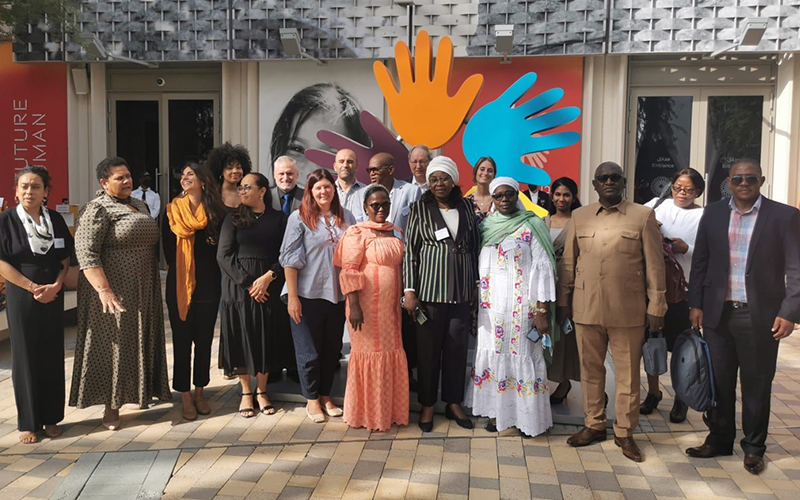
Children around the world could have better access to education thanks to an early childhood development index created for UNESCO by The Kids researcher, Prof Sally Brinkman.
This paper describes the Australian Early Development Index, a developmental census conducted by the Australian Government across the entire population of...
Socio-environmental factors, including the neighbourhoods in which children live and grow, are key determinants of children's developmental outcomes.
This study used population-based record linkage to examine the association between early life risk factors and academic achievement.
Measuring social inequalities in health is common; however, research examining inequalities in child cognitive function is more limited.
The aim of the trial is to evaluate a community-based early education and development program launched by the Government of Indonesia.
The objective of this paper is to determine how well the EDI predicts a child's later literacy and numeracy outcomes as assessed by the National Assessment...
This report provides the technical details for the methodology calculated to determine "how big" a difference in the AEDI results between 2009 and 2012 is...