
Search
Preterm birth is associated with increased mortality and morbidity, particularly due to lung disease. Low- and middle-income countries (LMIC) have the highest rates of preterm birth. Infants born extremely preterm rarely survive, so the largest burden is amongst moderate-to-late preterm (MLP) infants. The long-term health impact on MLP children in LMIC is poorly understood. The aim of this study was to assess the effect of MLP birth on lung function trajectories from birth to 5 years in the Drakenstein Child Health Study.
Determine the optimal antibiotic choice for lower respiratory tract infection in children with neurodisability.
Shannon Elizabeth Simpson Smith BMedSci (hons), PhD PhD, MSc, BSc Head, Strong Beginnings Research, Co-head Foundations of Lung Disease Program
This prospective, longitudinal cohort study will examine airway sputum, lung function, and clinical surveillance data of children with bronchiectasis attending Perth Children’s Hospital.
This research project will investigate the traits of preterm lung disease, looking into the long-term lung health of children born preterm, aiming to identify traits that could help guide better treatments in the future.
The PELICAN (Prematurity’s Effects on the Lungs in Children and Adults Network) Clinical Research Collaboration was launched by the European Respiratory Society (ERS) in 2020

A lung function study carried out by Dr Shannon Simpson provided the most comprehensive follow-up of very pre-term children of any study so far carried out on the lung health of this vulnerable group.

A global research network has taken another step towards standardising the way doctors interpret commonly used lung function tests.
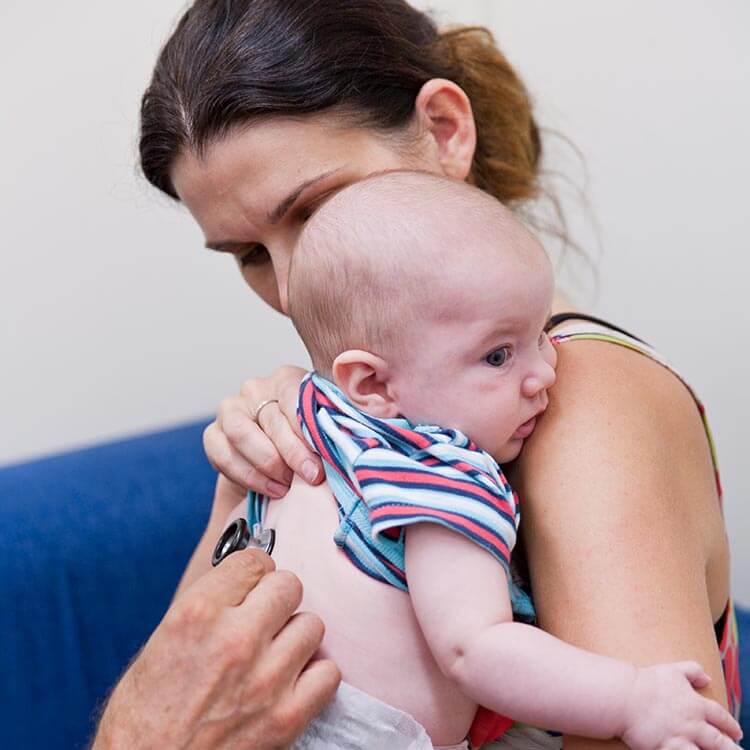
A groundbreaking WA trial, published in The Lancet, has determined that a laryngeal mask for babies is preferred over endotracheal tube during minor surgeries
Recent technological advances in equipment design have produced gains in popularity for this test among cystic fibrosis (CF) researchers and clinicians...