
Search
Showing results for "A"
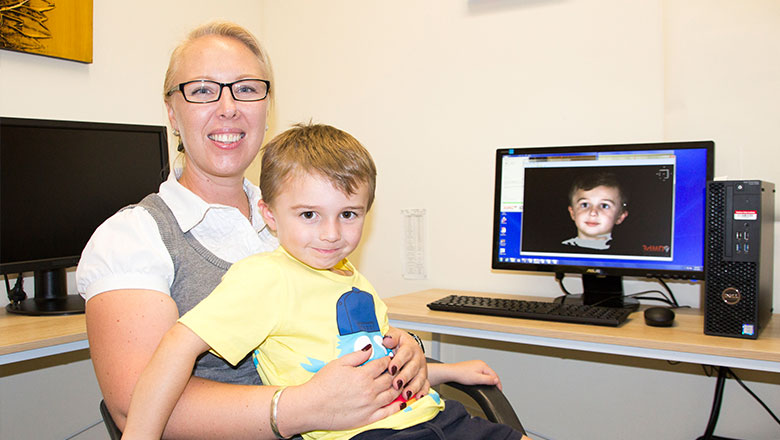
Can you see signs of autism in a child's facial features? Telethon Kids researchers have acquired new face scanning technology to help answer this question.
Leading international and national experts will gather at The Kids Research Institute Australia on Friday for a D-Light Research Symposium.

Research from The Kids Research Institute Australia shows that a short time interval between pregnancies may be less of a risk factor for preterm birth and low birth weight
A global plan to tackle one of the most aggressive types of childhood brain tumours will be developed as a result of a meeting of international experts in WA.
A comprehensive research report into the high rates of suicide in the Kimberley has called for a major change
Research has found evidence that the amount and timing of alcohol consumption in pregnancy affects child behaviour in different ways
A national study is investigating diet, chemical exposure and genetic factors in a new bid to unravel the causes of childhood leukaemia.
A national strategy that focuses on early child development is the key to breaking the cycle of Aboriginal poor health and disadvantage.
West Australian families are being asked to play a vital role in a major new national study to unravel the causes of childhood leukaemia.
This five-year project in Western Australia (WA) aims to promote vitamin D sufficiency among Aboriginal people by developing food-based dietary strategies to increase vitamin D intakes and by encouraging safe sun exposure.