
Search
Showing results for "A"
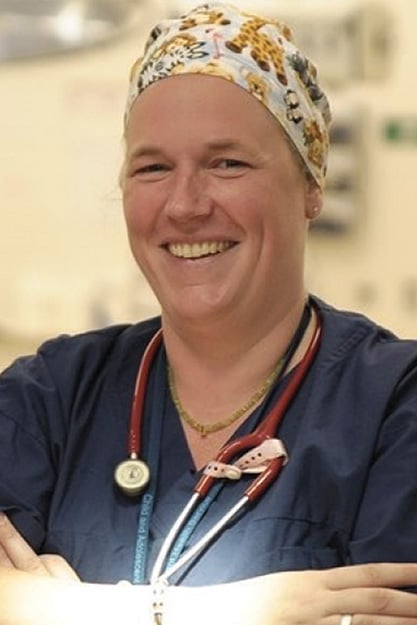
The Kids Research Institute Australia’s Perioperative Medicine team is helping to change global and local practice by finding safer and gentler ways to both undertake surgery, and care for kids and families afterwards.
Evidence suggests that children who had received an initial priming dose of whole-cell pertussis (wP) vaccine, rather than acellular pertussis (aP) vaccine, had a lower risk of developing IgE-mediated food allergy, the most common cause of anaphylaxis-related hospital presentations of childhood.
Psychological distress in the early postpartum period can have long-lasting deleterious effects on a mother's well-being and negatively affect her infant's development. Intervention approaches based in contemplative practices such as mindfulness and loving-kindness and compassion are intended to alleviate distress and cultivate well-being and can be delivered effectively as digital mental health interventions.
To investigate epigenomic indices of diabetic kidney disease (DKD) susceptibility among high-risk populations with type 2 diabetes mellitus.
Adaptive clinical trials have designs that evolve over time because of changes to treatments or changes to the chance that participants will receive these treatments. These changes might introduce confounding that biases crude comparisons of the treatment arms and makes the results from standard reporting methods difficult to interpret for adaptive trials. To deal with this shortcoming, a reporting framework for adaptive trials was developed based on concurrently randomised cohort reporting.
Components of the bone marrow microenvironment (BMM) have been shown to mediate the way in which leukemia develops, progresses and responds to treatment. Increasing evidence shows that leukemic cells hijack the BMM, altering its functioning and establishing leukemia-supportive interactions with stromal and immune cells.
Otitis media (OM; middle ear infection) is the most common reason for pre-school children to visit a doctor, be prescribed antimicrobials, or undergo surgery. Recent Cochrane reviews of clinical trials have identified that antibiotics and grommet surgery are only moderately effective in treating OM, with recurrent or persistent infection observed in one-third of children. Research efforts are focusing on developing improved therapies to treat OM and prevent disease recurrence.
Children with medulloblastoma and ependymoma are treated with a multidisciplinary approach that incorporates surgery, radiotherapy, and chemotherapy; however, overall survival rates for patients with high-risk disease remain unsatisfactory. Data indicate that plant-derived cannabinoids are effective against adult glioblastoma; however, preclinical evidence supporting their use in pediatric brain cancers is lacking. Here we investigated the potential role for Δ9-tetrahydrocannabinol (THC) and cannabidiol (CBD) in medulloblastoma and ependymoma. Dose-dependent cytotoxicity of medulloblastoma and ependymoma cells was induced by THC and CBD in vitro, and a synergistic reduction in viability was observed when both drugs were combined.
Advances in understanding bacterial dynamics in the upper airway microbiome are driving development of microbiota-modifying therapies to prevent or treat disease
The results suggest that timely injection and patient education are priorities for managing ARF and RHD, particularly focusing on child-to-adult transition care.