
Search
Showing results for "A"

Our team’s vision is to reduce the burden of infectious diseases in children and their families through comprehensive approaches to understanding the burden of disease, developing and optimising diagnosis and treatment strategies and evaluating and informing current and future prevention programs.
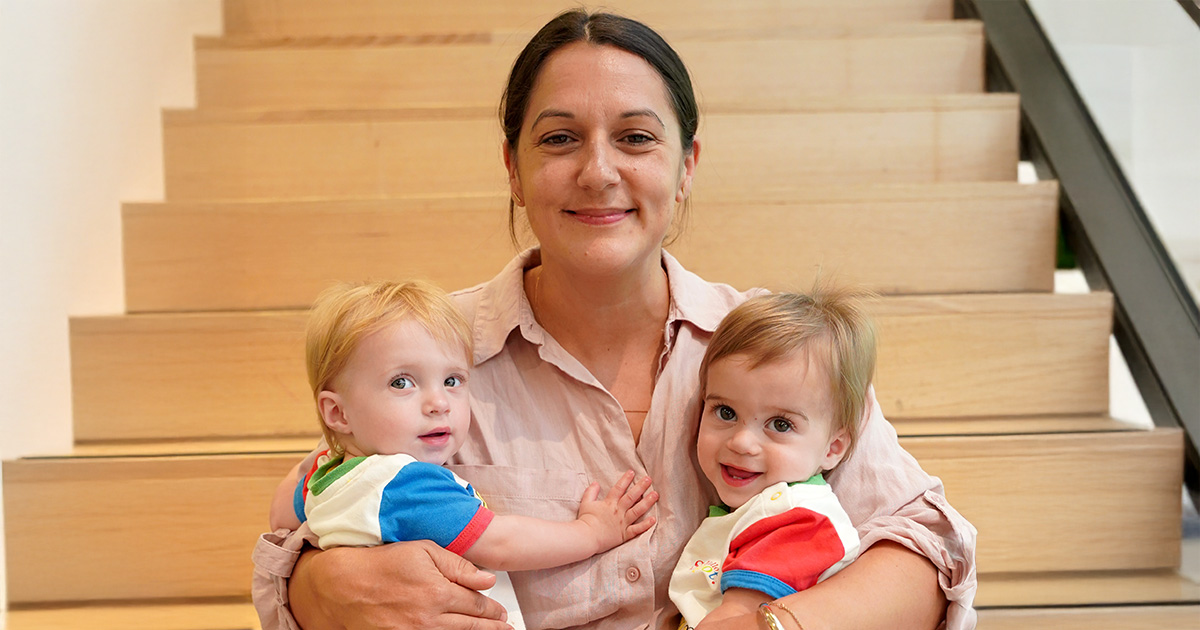
An Australian-first study, funded by Perth Children's Hospital Foundation, demonstrating the effectiveness of a new immunisation against respiratory syncytial virus (RSV) for babies found it to be almost 90 per cent effective in reducing hospitalisation rates.
A commonly suggested strategy for addressing bullying is for victims to seek help from a trusted person. Despite this recommendation, there are a group of adolescent victims who choose not to seek help. This study aimed to identify factors associated with not seeking help among adolescents who experienced bullying victimisation.
School readiness is a construct used by educators and policy makers to describe a range of abilities that are beneficial for children transitioning to school. The association of socioeconomic disadvantage with developmental vulnerability when children start school is well established. Parents play a crucial role in supporting children’s transition to school and are acknowledged as their child’s first and foremost teacher.
Prader-Willi Syndrome (PWS) is a rare genetic disorder associated with emotional/behavioral disturbances. These difficulties are well documented in the literature, but the positive attributes of these individuals are not described.
This article introduces the fourth update of the Australian and New Zealand consensus guidelines for the management of invasive fungal disease and use of antifungal agents in the haematology/oncology setting. These guidelines are comprised of nine articles as presented in this special issue of the Internal Medicine Journal. This introductory chapter outlines the rationale for the current update and the steps taken to ensure implementability in local settings.
Infant MLL-AF4-driven acute lymphoblastic leukemia (ALL) is a devastating disease with dismal prognosis. A lack of understanding of the unique biology of this disease, particularly its prenatal origin, has hindered improvement of survival. We perform multiple RNA sequencing experiments on fetal, neonatal, and adult hematopoietic stem and progenitor cells from human and mouse.
We found that BCG, in a mouse model of neonatal polymicrobial sepsis, induced granulocyte colony-stimulating factor (G-CSF) within hours of administration
This paper reports on a five-year project to measure student wellbeing across an education system using the Middle Years Development Instrument
Longer suspends and fewer glycemic excursions occur at night compared with day