
Search
Showing results for "A"
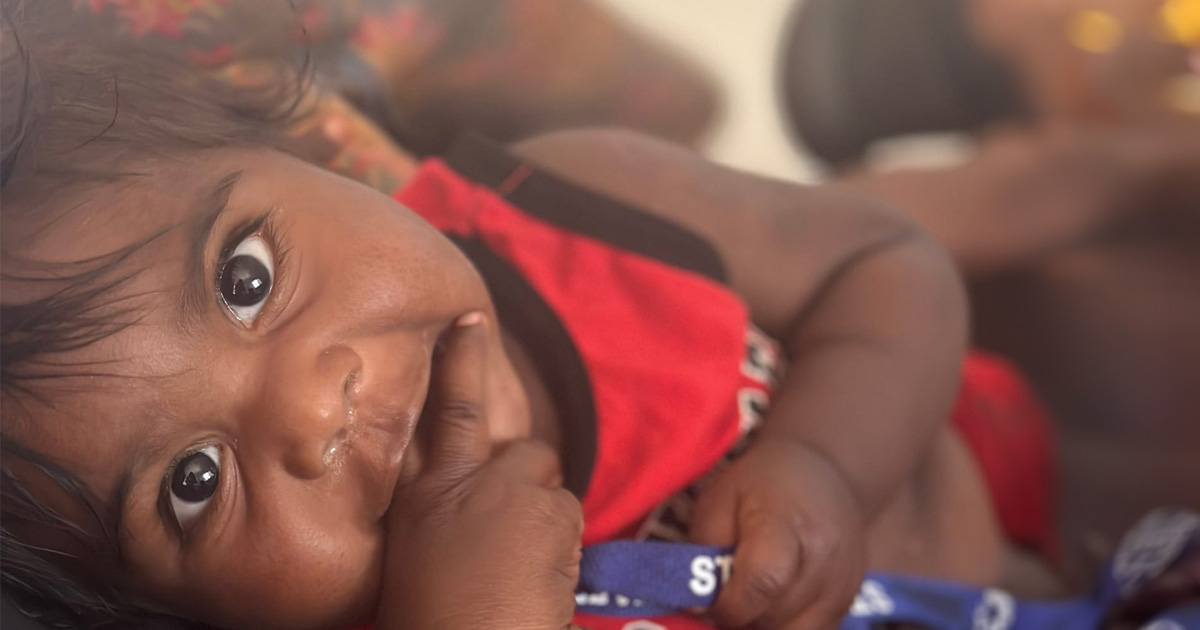
Born two weeks early, six-month-old Braxton Lewis’ entry to the world could have been vastly different if not for a service dedicated to improving pregnancy outcomes for Aboriginal women in WA’s East Pilbara.
Previous research has focused on identifying the association between moral dimension and bullying behavior, with an emphasis on better understanding the complex processes that children and adolescents trigger during decision-making in immoral situations. However, advances in research on morality and bullying have not been paralleled by the design of intervention programs that promote moral competence. The aim of this chapter is to analyze the moral dimension as a key intervention in the design of holistic models for preventing bullying and promoting defending.
Our interdisciplinary team initiated a project to inform the COVID-19 vaccination programme. We developed a novel research co-creation approach to share emerging findings with government.
Matt Cooper BCA Marketing, BSc Statistics and Applied Statistics, PhD Manager, Biostatistics 08 6319 1723 matt.cooper@thekids.org.au Manager,
Cold atmospheric plasma (CAP) is a safe and effective alternative to radiotherapy for cancer treatment. Its anticancer effects are attributed to increased intracellular reactive oxygen species (ROS). Glutathione, a key antioxidant derived from glutamine, is critical for cell proliferation. This study investigated whether CAP-induced ROS elevation results from reduced glutamine-glutathione conversion and elucidates the underlying mechanisms.
Hope is well recognised as a positive protective factor for mental health, improved coping responses to adverse childhood events and better educational outcomes. Hope is composed of synergistic constituents – agency and pathway. A retrospective chart review was conducted of 53 justice-involved youths (10−17 years old) who underwent Fetal Alcohol Spectrum Disorder (FASD) diagnostic assessments with Patches in Western Australia between 2019 and 2020.
Early infancy is a critical period for immune development. In addition to being the primary food source during early infancy, human milk also provides multiple bioactive components that shape the infant gut microbiome and immune system and provides a constant source of exposure to maternal microbiota. Given the potential interplay between allergic diseases and the human microbiome, this study aimed to characterise the milk microbiome of allergic mothers.
Investigating the incidence of childhood Type 2 Diabetes in the Western Australian community
The Kids Research Institute Australia congratulates Prof Gareth Baynam and Dr Timo Lassmann on their grant over three years from the McCusker Charitable Foundation.
The Kids Research Institute Australia's annual report highlights the accomplishments of our researchers, furthering our mission to secure a happier, healthier future for kids everywhere.