
Search
Showing results for "A"
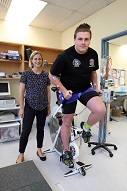
Young people with Type 1 Diabetes are needed for a new study looking at whether blood sugar levels affect exercise performance.
Research has shown that no matter where our patients reside in WA, whether it be remote or metropolitan based, the ongoing management of diabetes is the same.
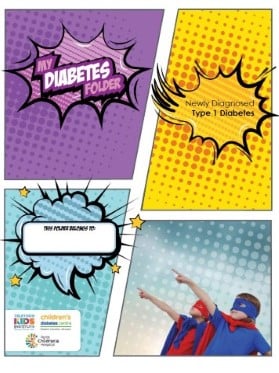
Our new and improved patient folder is a comprehensive resource to help families navigate a new type 1 diabetes diagnosis, now and into the future.

Shanara Quartermaine has just received 2022Supporting Training of Aboriginal Researchers & Staff (STARS) Capacity Building Funding Award.
Atopic diseases are the most common chronic conditions of childhood. The apparent rise in food anaphylaxis in young children over the past three decades is of particular concern, owing to the lack of proven prevention strategies other than the timely introduction of peanut and egg.
Atopic diseases are the most common chronic conditions of childhood. The apparent rise in food anaphylaxis in young children over the past three decades is of particular concern, owing to the lack of proven prevention strategies other than the timely introduction of peanut and egg.
Egg allergy affects almost 1 in 10 Australian infants. Early egg introduction has been associated with a reduced risk in developing egg allergy; however, the immune mechanisms underlying this protection remain unclear.
Recently, we identified a Staphylococcus aureus sequence type 5 (ST5) clone in northern Australia with discrepant trimethoprim-sulfamethoxazole (SXT) susceptibility results. We aimed to identify isolates of this clone using Vitek 2 SXT resistance as a proxy and to compare its epidemiology with those of other circulating S. aureus strains. We collated Vitek 2 susceptibility data for S. aureus isolates collected through our laboratory and conducted a prospective, case-control study comparing clinical, microbiological, epidemiological, and genomic data for subsets of isolates reported as SXT resistant (cases) and SXT susceptible (controls) by Vitek 2.
Perioperative respiratory adverse events account for a third of all perioperative cardiac arrests, with bronchospasm and laryngospasm being most common. Standard treatment for bronchospasm is administration of inhaled salbutamol, via pressurized metered dose inhaler. There is little evidence on the best method of attaching the pressurized metered dose inhaler to the artificial airway during general anesthesia. The aim of this study is to investigate the best method to deliver aerosolized salbutamol via pressurized metered dose inhaler to the lungs of an anesthetized child.
Perioperative respiratory adverse events account for a third of all perioperative cardiac arrests, with bronchospasm and laryngospasm being most common. Standard treatment for bronchospasm is administration of inhaled salbutamol, via pressurized metered dose inhaler. There is little evidence on the best method of attaching the pressurized metered dose inhaler to the artificial airway during general anesthesia. The aim of this study is to investigate the best method to deliver aerosolized salbutamol via pressurized metered dose inhaler to the lungs of an anesthetized child.