
Search
Showing results for "A"
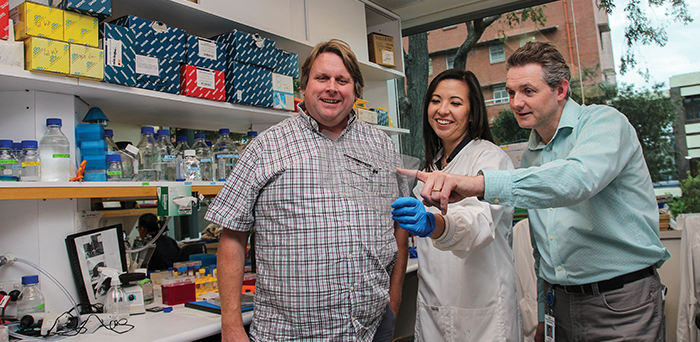
In the field of cancer research, lobbying efforts by the The Kids Cancer Centre have contributed to major initiatives including Australia’s first personalised medicine program for children with high-risk cancer, and a mission to boost survival rates in brain cancer patients.
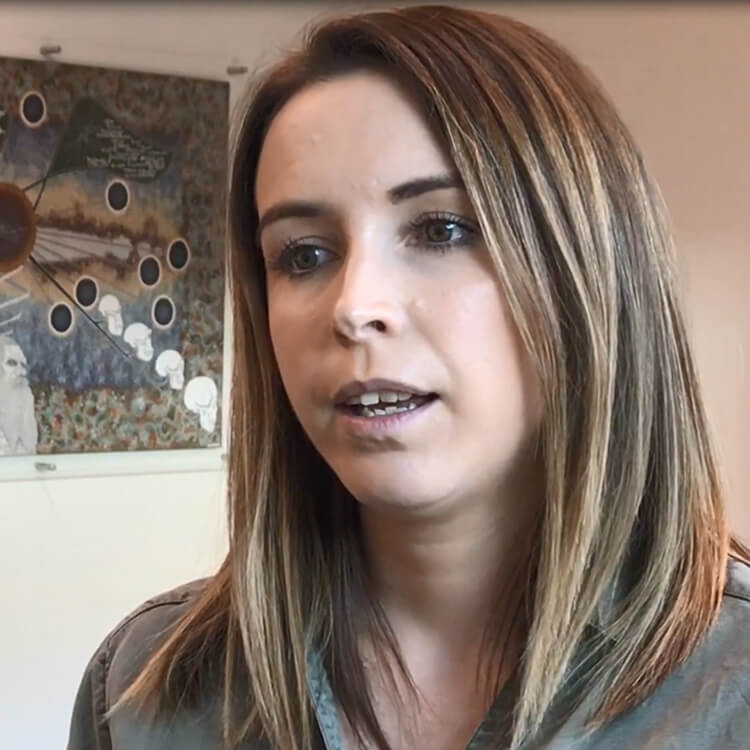
A study by The Kids has found children with a parent who has gone to prison are significantly more likely to have poor development outcomes.
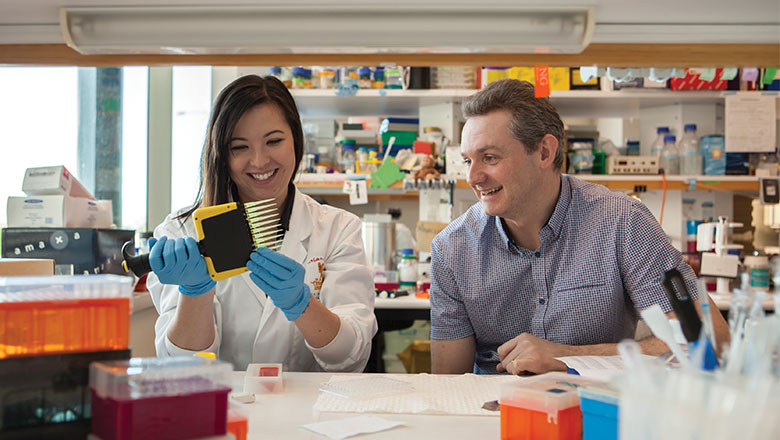
Dr Nick Gottardo and Dr Raelene Endersby from The Kids Research Institute Australia are the driving force behind an innovative, global action group on child brain cancer.
The Australian Early Development Index (AEDI) program is conducted by the Centre for Community Child Health
The ACEFA NHMRC Centre of Research Excellence aims to support the timely, effective response to epidemic diseases in Australia through real-time data analytics, modelling, and forecasting.
This research aims to co-design the components of a practical and equitable public health approach to promoting mental health in toddlers and young children in Western Australia (WA).
Read about the research fellows at the Children's Diabetes Centre, Martin de Bock, Aveni Hayes, Ashleigh Lin and Marie-Anne Burckhardt.
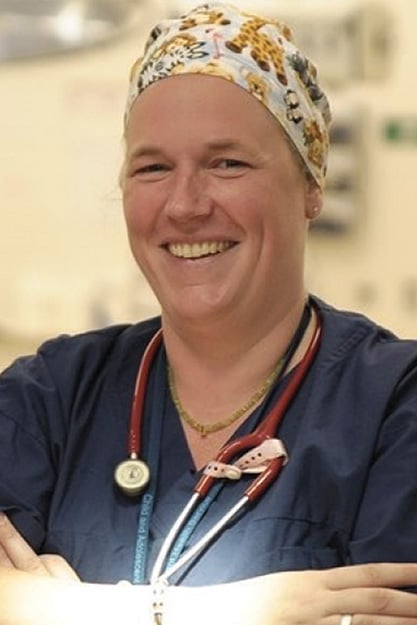
The Kids Research Institute Australia’s Perioperative Medicine team is helping to change global and local practice by finding safer and gentler ways to both undertake surgery, and care for kids and families afterwards.
No validated oral health-related quality of life (OHRQOL) instrument currently exists for those with severe intellectual and developmental disabilities and who communicate non-verbally. This qualitative study aimed to explore the domains that were important to the oral health-related quality of life in individuals with Rett syndrome.
Trans individuals face elevated health risks and socio-environmental challenges, influencing their engagement in health-protective behaviors (e.g. exercise and nutrition). Despite these challenges, there is a significant gap in understanding the specific eating and exercise experiences of Australian trans adults, including barriers to healthy behaviors and healthcare experiences. This study aims to address this gap by exploring these experiences, informing targeted interventions and healthcare practices to improve health outcomes.