
Search
Showing results for "A"
Information about ORIGINS Confidentiality Statement.

ORIGINS is no longer offering courier services or home collection of samples.
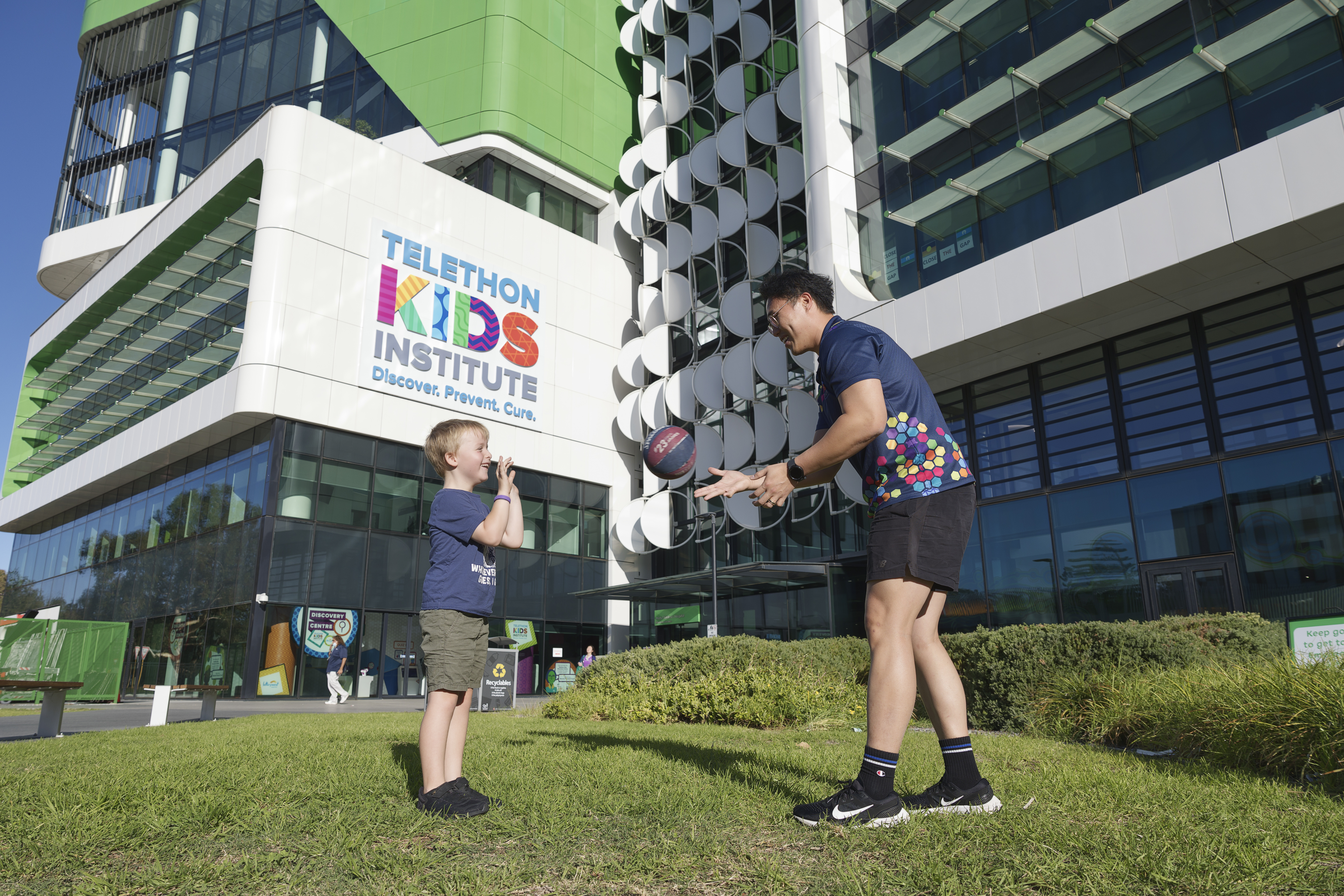
Developing educational exercise resources to improve awareness and knowledge of Type 1 Diabetes (T1D) within community sport settings. Community

Caring for a child with type 1 diabetes is challenging, and perhaps even more so when the child is a toddler. Mindful of this and considering the unique needs of families caring for very young children with type 1 diabetes, PCH's Diabetes Clinic is currently
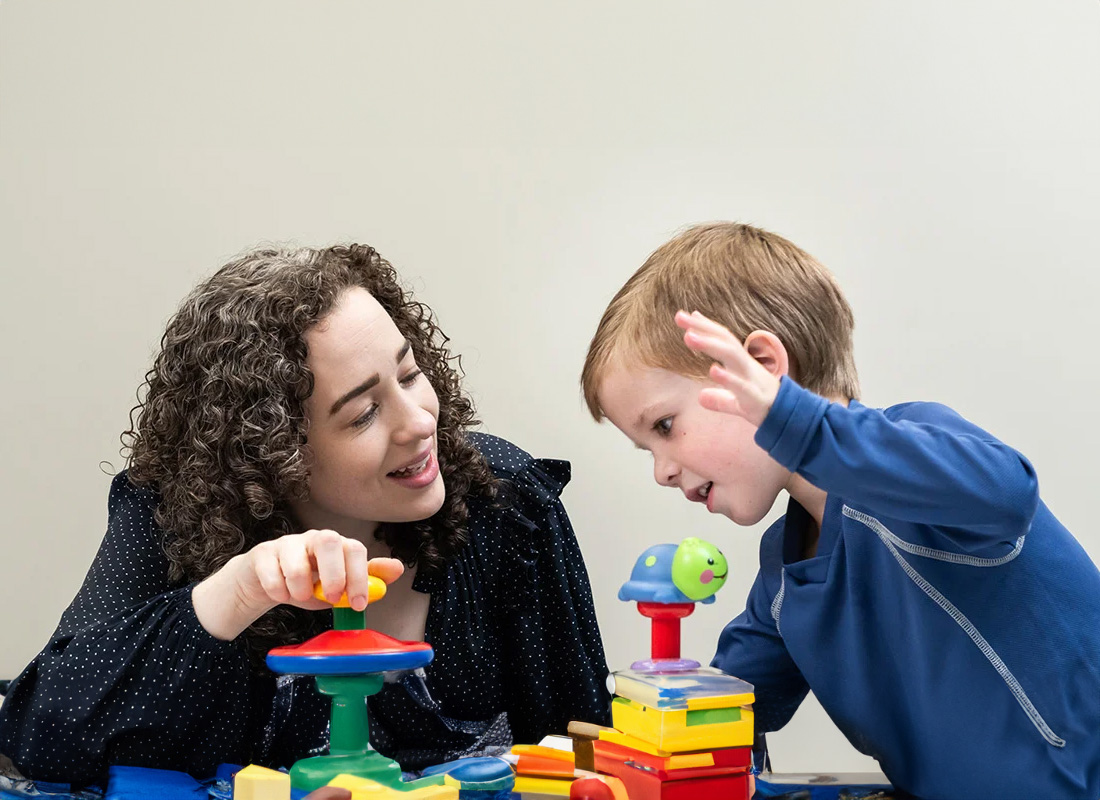
Sign up to the CliniKids Newsletter to receive the latest updates, stories, and invites to community events from CliniKids.
We have quantified the relative influence of perinatal risk factors associated with skin infection hospitalisations in WA children

Some of the more common questions about the LiLO study
The aim of this project is to conduct a situational analysis of the skin health services and activities currently available for managing skin infections within the Kimberley.
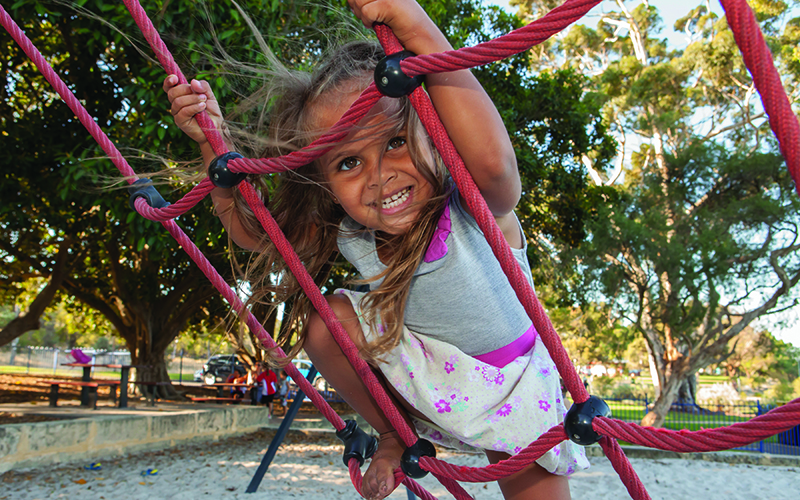
In 2020, the National Closing the Gap partnership made improving early development of Aboriginal and Torres Strait Islander children one of its top priorities. Australia will measure progress in this area using the AEDC.
Stigma towards individuals with mental health concerns is a global issue, including among young people at ultra-high risk (UHR) for psychosis. This study compared two written anti-stigma resources: (a) Education and (b) Lived Experience + Education, among young adults and parents/caregivers.