
Search

The Multiple Strength Indicator is a strength based measure that provides information on children’s developmental strengths as they commence full-time school.
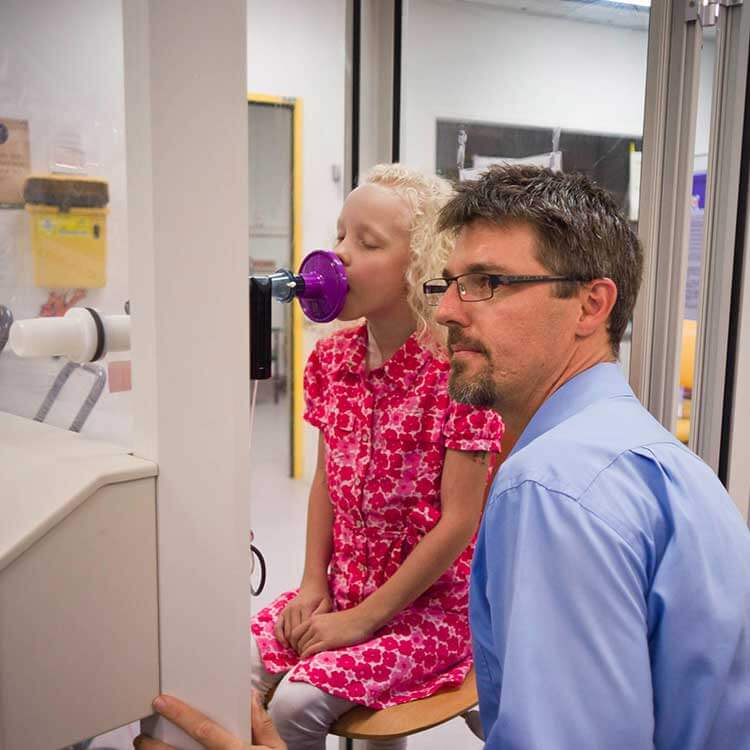
New research from Perth’s The Kids Research Institute Australia shows that babies born premature continue to have lung problems well into childhood.
You're invited to join the Early Childhood Development and Learning Collaboration on Monday 15 August from 7pm to help every child reach their potential.

The Australian Early Development Census National Conference 2015 will be held from 18-20 February 2015.
Tasmania's Child and Family Centres are having a positive impact on parent's use and experiences of services and supports for young children

A new collaboration has been launched to fast track research into action to improve outcomes in the crucial early years of child development and learning.

New research from The Kids Research Institute Australia has revealed a significant link between kids with severe ADHD and higher rates of early childhood hospital admissions.
A project from the Raine Study shows testosterone levels in the womb have little impact on later childhood behavior.
Researchers at Perth's Telethon Institute are one step closer to preventing serious lung disease which is the main cause of suffering in cystic fibrosis.
This week more than 7500 government and non-government schools across Australia will start taking part in the world's most comprehensive collection of