
Search
Poverty invades every aspect of a child’s life and, as a growing body of research tells us, affects physical and mental wellbeing as well as future opportunitie
An InFocus Research Interview with Kirsten Hancock of the Human Capability Team at The Kids Research Institute Australia on multigenerational disadvantage in Australia.
New ways to deliver more effective, evidenced-informed child development services will be forged through an innovative community partnership in the Central Great Southern.
A new report on families with 0-4 year olds in the Midland area aims to help shape development of the sector and ensure parents are better placed to access support in their efforts to ensure the healthy development of their babies and toddlers.
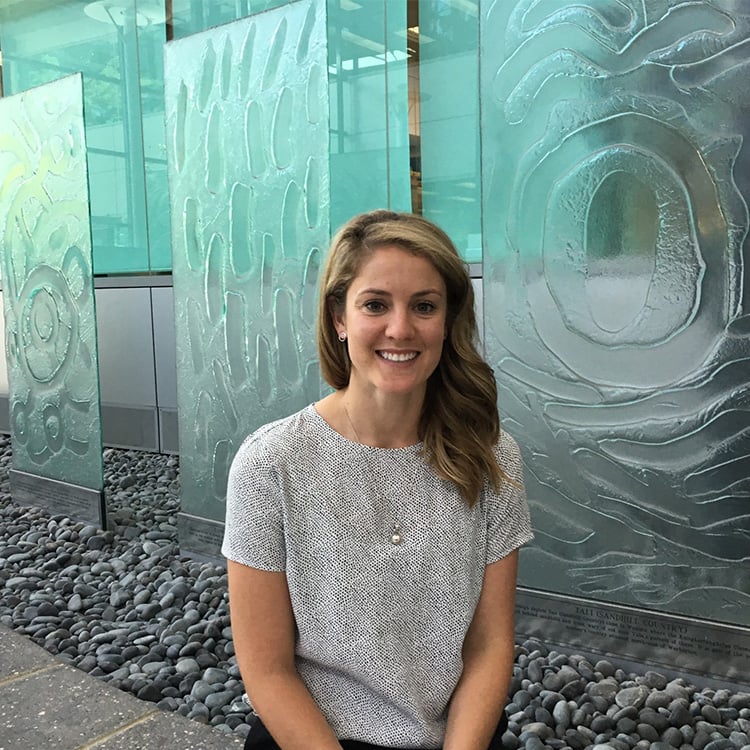
It’s hoped a new therapeutic playgroup being trialled in Perth will help parents and caregivers cut through the stress and become more confident.
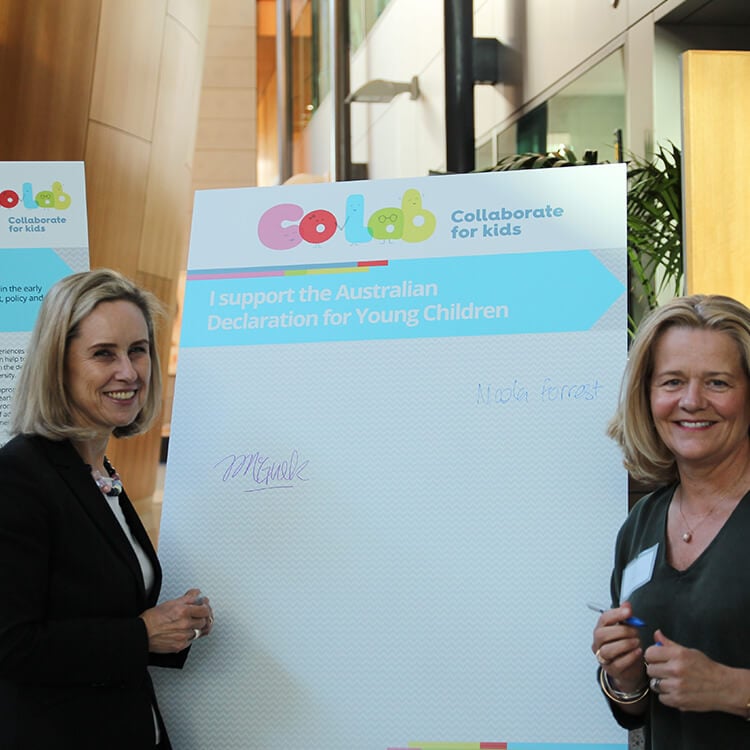
More than 70 leading early childhood experts have come together with CoLab to develop the first-ever Australian Declaration (of evidence) for Early Childhood.

Register now to attend this compelling talk at the Heath Ledger Theatre in Perth on the evening of Wednesday, November 1 2017.
A new partnership between The Kids and the Minderoo Foundation is trying to change the ways Government and communities address disadvantage and neglect.
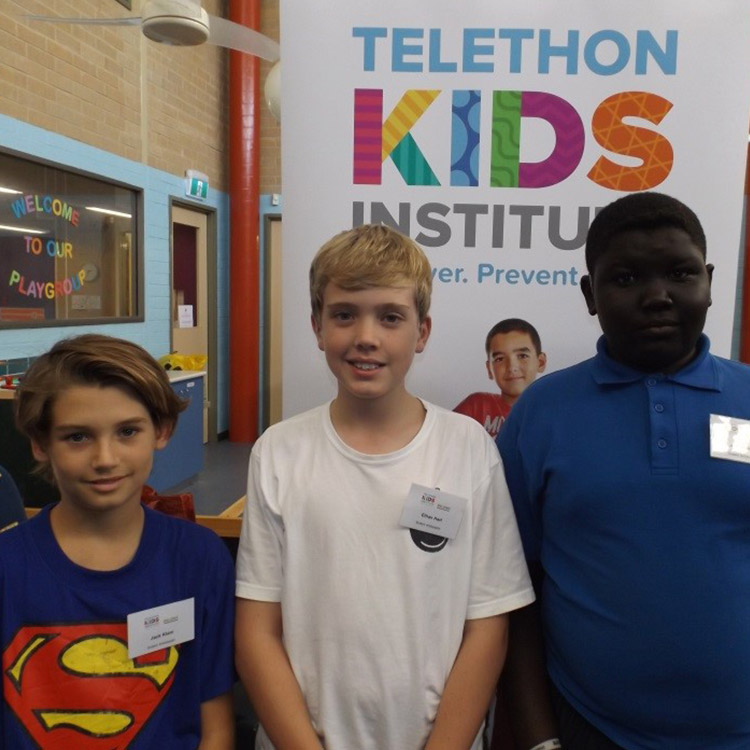
Ethan recently took part in Belong, a study led by The Kids which aims to ensure deaf and hard of hearing kids have a happy & positive school experience
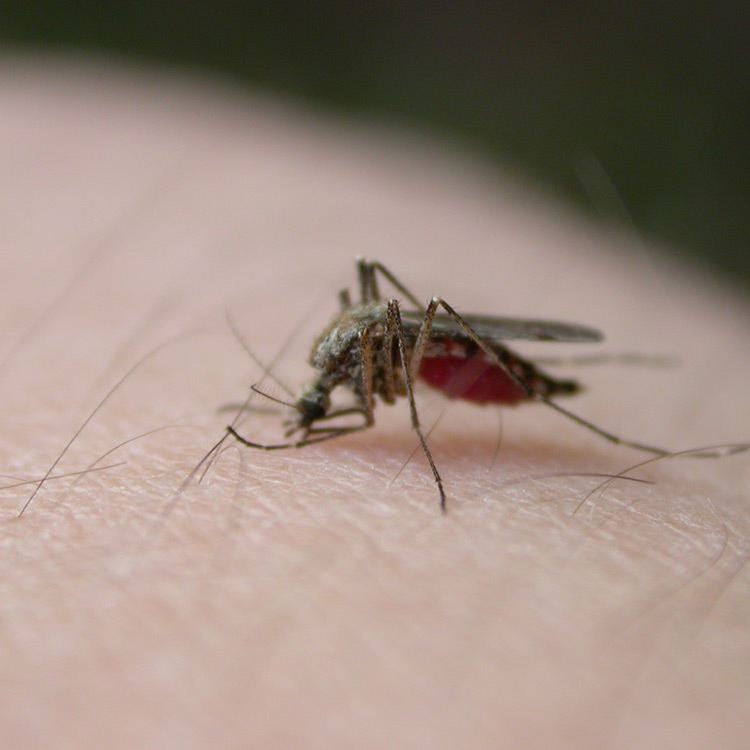
WA Researchers have conducted an Australian-first study to determine the prevalence of microcephaly, in preparation of any future outbreak of the Zika virus.