
Search
Showing results for "A"

Research Officer, Infectious Diseases Epidemiology
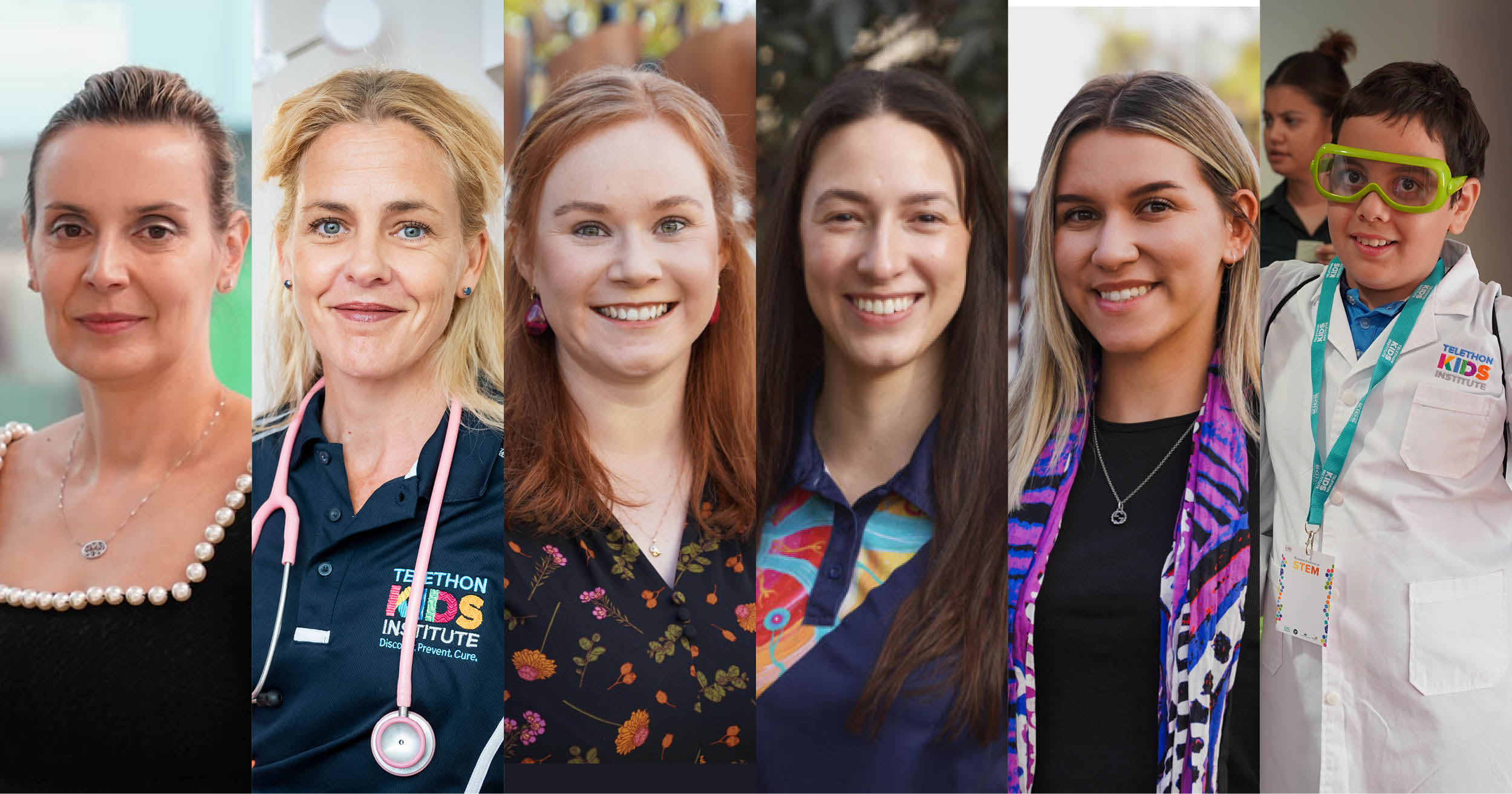
Five The Kids Research Institute Australia researchers and a popular Institute-led science festival for kids have been named as finalists in the 2024 Premier’s Science Awards.

Communities with poor access to mental health services are eight times more likely to be youth suicide hotspots, according to new The Kids Research Institute Australia research.
The aim of this study was to examine the in vitro response of isolated human airways to the dynamic mechanical stretch associated with normal breathing.
Though exposure to air pollution has a detrimental effect on respiratory health, few studies have examined the association between elemental carbon exposure...
Research in Aboriginal contexts remains a vexed issue given the ongoing inequities and injustices in Indigenous health.
Airways hyperresponsiveness (AHR) is one of the major clinical features of allergic airways disease including allergic asthma
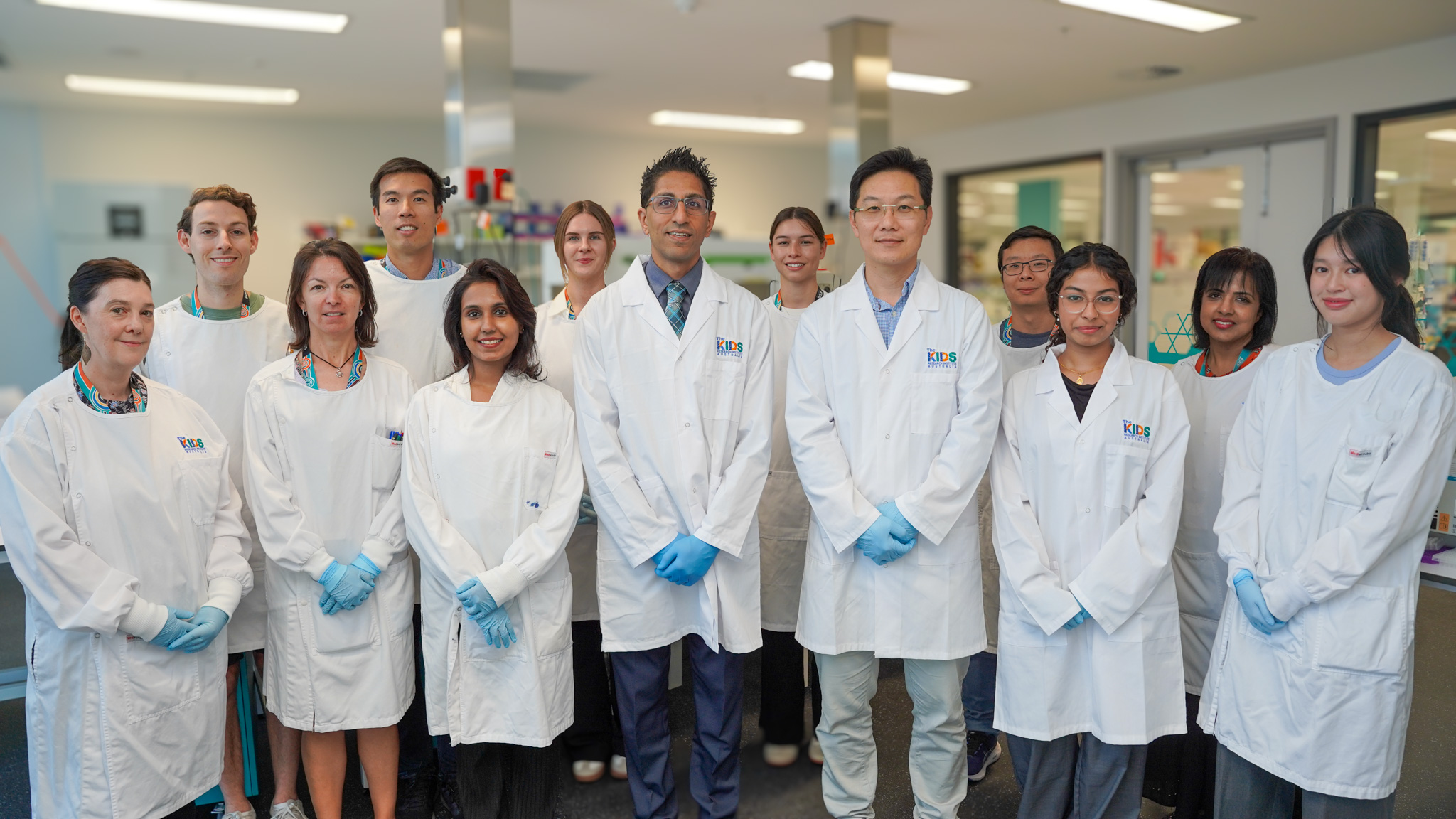
The main aim of our Leukaemia Translational Research Team is to test innovative therapeutic approaches, with a focus on clinical translation of this knowledge, to improve the outcomes of children suffering from leukaemia.
Rett syndrome (RTT) is a rare neurodevelopmental disorder with developmental impairments, comorbidities, and abnormal behaviours such as hand stereotypies and emotional features. The Rett Syndrome Behaviour Questionnaire (RSBQ) was developed to describe the behavioural and emotional features of RTT.
Quantifying stroke incidence and mortality is crucial for disease surveillance and health system planning. Administrative data offer a cost-effective alternative to "gold standard" population-based studies. However, the optimal methodology for establishing stroke deaths from administrative data remains unclear.