
Search
We conducted a population-based, record linkage study to examine the hospital admission risk in young children who are subsequently diagnosed with attention...
Autism and attention-deficit/hyperactivity disorder (ADHD) often co-occur. This survey of 288 New Zealand parents of children diagnosed with autism, ADHD, or both conditions, examined the relations between age of diagnosis and early atypical development, the age specialist consultation was needed and types of specialists seen.
ADHD commonly occurs with sleep problems and secondary cognitive impairments such as inhibitory control. Sleep problems may explain attentional lapses and inhibition performance variability in children with ADHD. This study applied Bayesian analyses to examine the relationship between ADHD symptoms, sleep problems, and inhibition.
Children with ADHD are disadvantaged from an early age in key areas of learning, and this risk increased with reduction in gestational age at birth
Our study investigates the maternal, pregnancy, and newborn risk factors by gender for children prescribed stimulant medication for treatment of ADHD in WA.
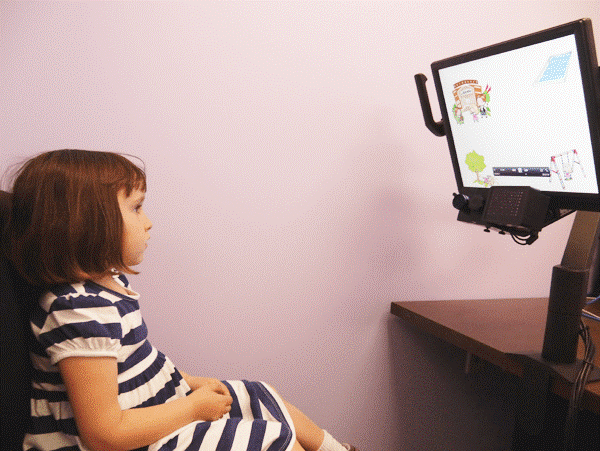
The Kids is trialling a new tool for earlier and easier screening of FASD and ADHD in children, using cutting-edge eye-tracking technology developed by the Kids Brain Health Network in Canada.
Approximately 8% of all children experience developmental and mental health conditions. Similarities in characteristics across neurodevelopmental conditions-such as difficulties in communication and language, social interaction, motor coordination, attention, activity regulation, behavior, mood, and sleep-make it challenging to attribute these characteristics exclusively to specific diagnoses and assessments. The purpose of this study was to identify symptomatic domains across neurodevelopmental conditions in children and to explore dimension reduction for transdiagnostic assessment.
This study aimed to understand how parents describe the most challenging behaviors exhibited by their children diagnosed with autism and/or ADHD, how those behaviours impact their family, and whether challenges are directly related to the core characteristics of these conditions.
The number of words children produce (expressive vocabulary) and understand (receptive vocabulary) changes rapidly during early development, partially due to genetic factors. Here, we performed a meta-genome-wide association study of vocabulary acquisition and investigated polygenic overlap with literacy, cognition, developmental phenotypes, and neurodevelopmental conditions, including attention-deficit/hyperactivity disorder.
Harmonizing the scores obtained by different instruments that measure the same construct enable researchers to combine them in one analysis. An important step in harmonization is checking whether there is measurement invariance across populations.