
Search
For children with cerebral palsy (CP), who are marginally ambulant, gross motor capacity peaks between 6 and 7 years of age with a subsequent clinical decline, impacting their ability to engage in physical activity. Active Strides-CP is a novel package of physiotherapy targeting body functions, activity and participation outcomes for children with bilateral CP. This study will compare Active Strides-CP to usual care in a multisite randomised waitlist-controlled trial.
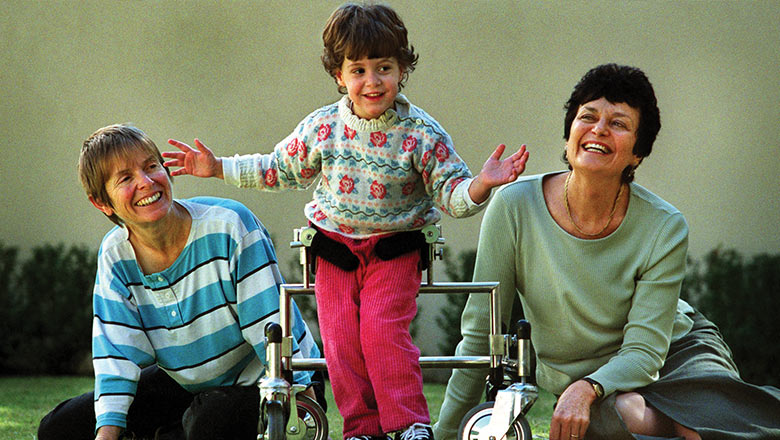
Cerebral palsy is not only the result of birth trauma and the lack of oxygen supply during delivery.
ParticiPAte CP is a participation-focused therapy intervention that is effective to increase perceived performance of physical activity participation goals in children with cerebral palsy. We aimed to characterise the contents of ParticiPAte CP using validated behaviour change frameworks.
We investigate the construct validity, test re-test reliability, and responsiveness of the Wrist Position Sense Test (WPST) for children with hemiplegic cerebral palsy (CP).
We know from research that the risk of death from respiratory disease is 14 times higher for adults with cerebral palsy than for other adults. Respiratory disease is the most common cause of premature death in children and young people with cerebral palsy and one of the main causes of hospitalisation.
The most common cause of morbidity and mortality in children with severe cerebral palsy (CP) is respiratory disease. BREATHE-CP (Better REspiratory and Airway Treatment and HEalth in Cerebral Palsy) is a multidisciplinary research team who have conducted research on the risk factors associated with CP respiratory disease, a systematic review on management and a Delphi study on the development of a consensus for the prevention and management of respiratory disease in CP.
Children with cerebral palsy face challenges in maintaining oral hygiene; data on their oral health practices and outcomes are limited.
Respiratory disease is a leading cause of hospitalisations in children with cerebral palsy (CP). Over 40% of individuals with CP are born preterm; however, the relationship between prematurity, CP and respiratory disease is unknown.
To report the prevalence of cerebral palsy (CP) in children with severe congenital heart defects (sCHD) and the outcome/severity of the CP.
Cerebral palsy (CP) is a lifelong physical disability, resulting from maldevelopment or damage to the developing brain. All children with CP have a disorder of movement and posture, but this is often accompanied by disorders of intellect, sensation, behaviour and epilepsy. Long-standing CP registers and surveillance systems estimate the prevalence of CP as approximately 2 per 1000 live births; however variations are seen over time and in different regions of the world.