
Search
Natural killer (NK) cells play a significant and vital role in the first line of defense against infection through their ability to target cells without prior sensitization. They also contribute significantly to the activation and recruitment of both innate and adaptive immune cells through the production of a range of cytokines and chemokines. In the context of cytomegalovirus (CMV) infection, NK cells and CMV have co-evolved side by side to employ several mechanisms to evade one another.
The bone marrow microenvironment (BMM) plays a key role in leukemia progression, but its molecular complexity in pre-B cell acute lymphoblastic leukemia (B-ALL), the most common cancer in children, remains poorly understood. To gain further insight, we used single-cell RNA sequencing to characterize the kinetics of the murine BMM during B-ALL progression.
Cancer cells display DNA hypermethylation at specific CpG islands in comparison to their normal healthy counterparts, but the mechanism that drives this so-called CpG island methylator phenotype (CIMP) remains poorly understood. Here, we show that CpG island methylation in human T-cell acute lymphoblastic leukemia (T-ALL) mainly occurs at promoters of Polycomb Repressor Complex 2 (PRC2) target genes that are not expressed in normal or malignant T-cells and which display a reciprocal association with H3K27me3 binding.
Structural and numerical alterations of chromosome 21 are extremely common in hematological malignancies. While the functional impact of chimeric transcripts from fused chromosome 21 genes such as TEL-AML1, AML1-ETO, or FUS-ERG have been extensively studied, the role of gain of chromosome 21 remains largely unknown.
Pesticide exposure is a suspected risk factor for childhood cancer. We investigated the risk of developing childhood cancer in relation to parental occupational exposure to pesticides in Switzerland for the period 1990-2015.
Pineoblastoma is a rare pineal region brain tumor. Treatment strategies have reflected those for other malignant embryonal brain tumors.
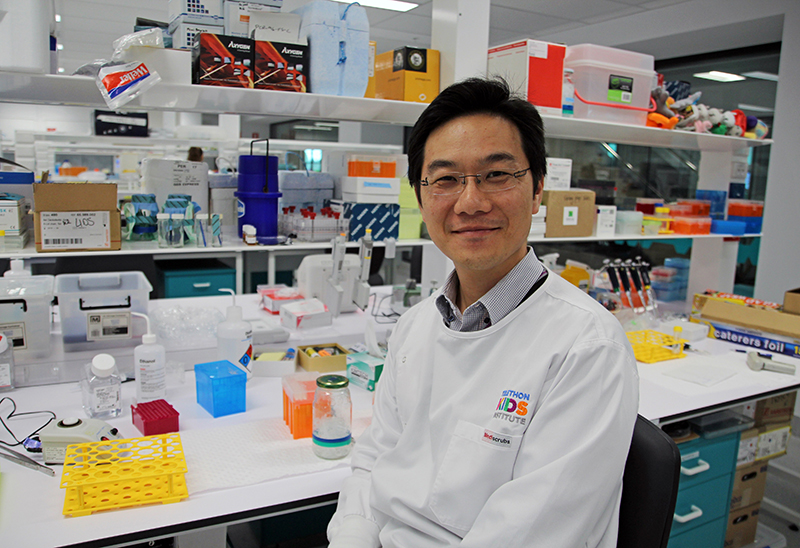
Dr Laurence Cheung is doing everything he can to end the threat of childhood leukemia. His research has the potential to change countless lives, but he also has another important job – being a dad to three beautiful children.
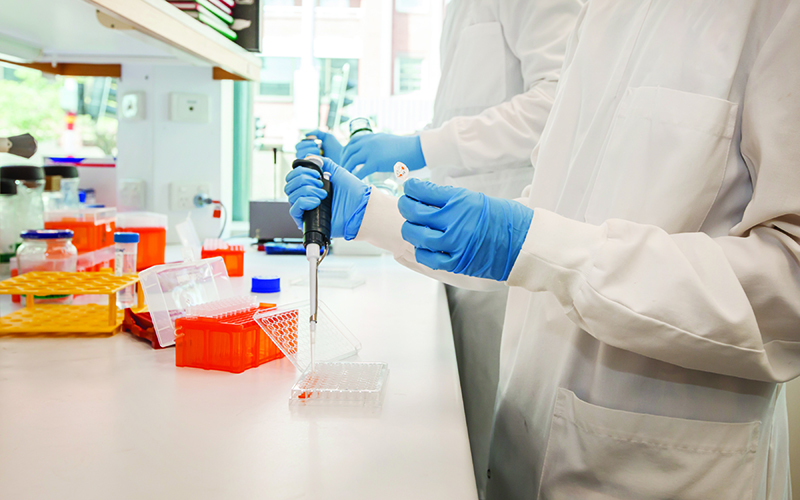
In an Australian-first, The Kids Research Institute Australia researchers have developed a new tool that could improve outcomes for children with a highly aggressive type of brain cancer.
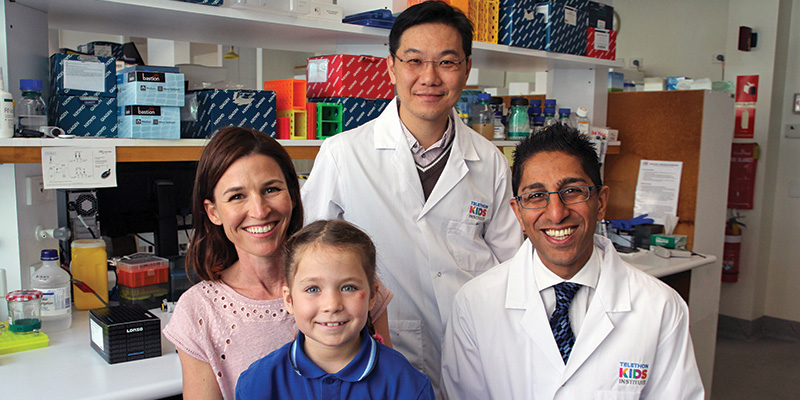
When three-year-old Flo Parker injured her hip on a camping trip five years ago, her parents thought it would be nothing more than a common childhood injury.
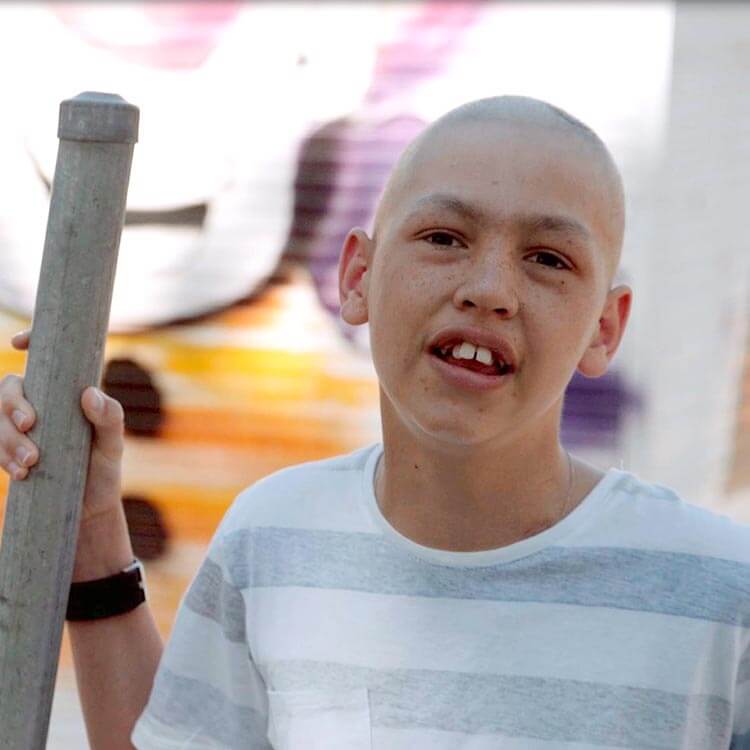
The Cancer Immunology team at The Kids is investigating how the body's 'natural killer' cells can be harnessed to fight cancer – whilst also protecting kids from nasty chemotherapy side effects.