
Search
Social communication difficulties in autism spectrum disorder have been associated with poor Theory of Mind (ToM), an ability to attribute mental states to others. Interventions using humanoid robots could improve ToM that may generalize to human-human interactions. Traditionally, ToM has been measured using the Firth-Happe Animations (FHA) task which depicts interactions between two animated triangles.
Recent research highlights an overlap of gender diversity and autism spectrum disorders (ASD); however, data on individuals who are trans and also on the autism spectrum are largely from clinical samples and may not be representative of individuals who are trans with ASD in the general population. In addition, there is scant literature on the mental health of these individuals and their experiences in accessing gender-affirming care.
Autism spectrum disorder (ASD) is a complex neurodevelopmental condition whose biological basis is yet to be elucidated. The Australian Autism Biobank (AAB) is an initiative of the Cooperative Research Centre for Living with Autism (Autism CRC) to establish an Australian resource of biospecimens, phenotypes and genomic data for research on autism.
Links between temperament and social-emotional difficulties are well-established in normative child development but remain poorly characterized in autism. We sought to characterize distinct temperament subgroups and their associations with concurrent internalizing and externalizing symptoms in a sample of 103 infants showing early signs of autism.
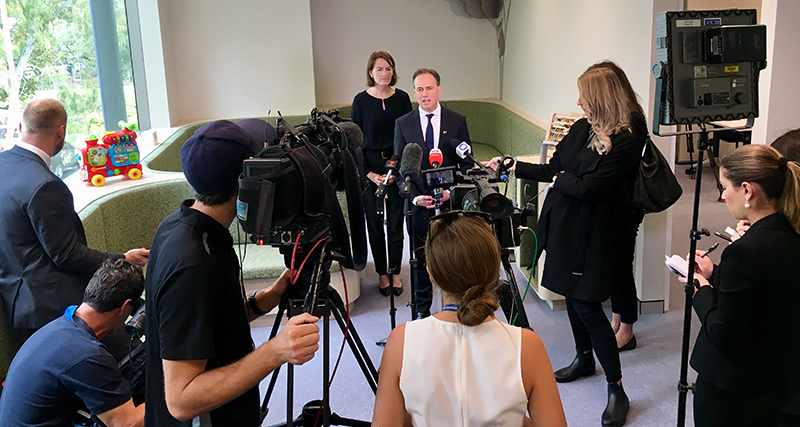
Western Australian babies and children with autism and developmental delay will be able to access world-first therapies and interventions backed by the latest research, thanks a unique clinical service developed by The Kids Research Institute Australia.
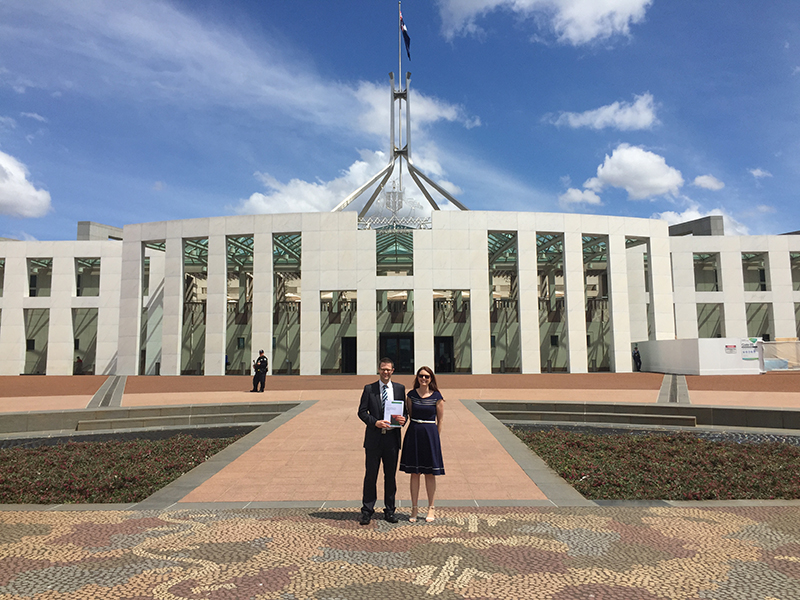
Researchers from The Kids Research Institute Australia, working with the Autism CRC, have led the development of the National Guideline for the Assessment and Diagnosis of Autism Spectrum Disorder in Australia which was launched today.
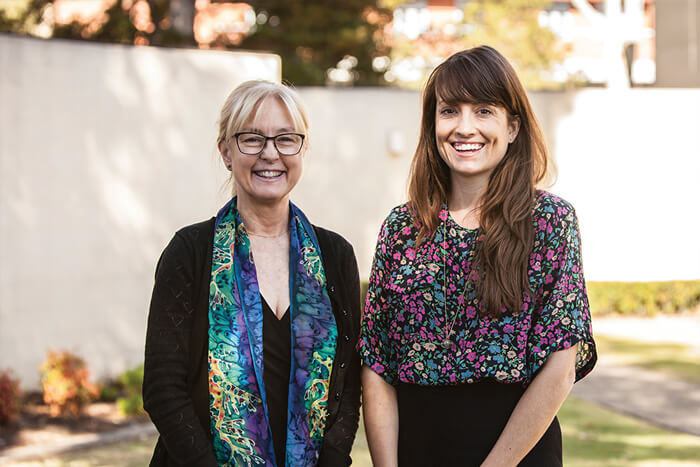
If there’s one thing modern researchers and health professionals now understand, it’s that for so many diseases and conditions affecting children and adolescents, early intervention is crucial.
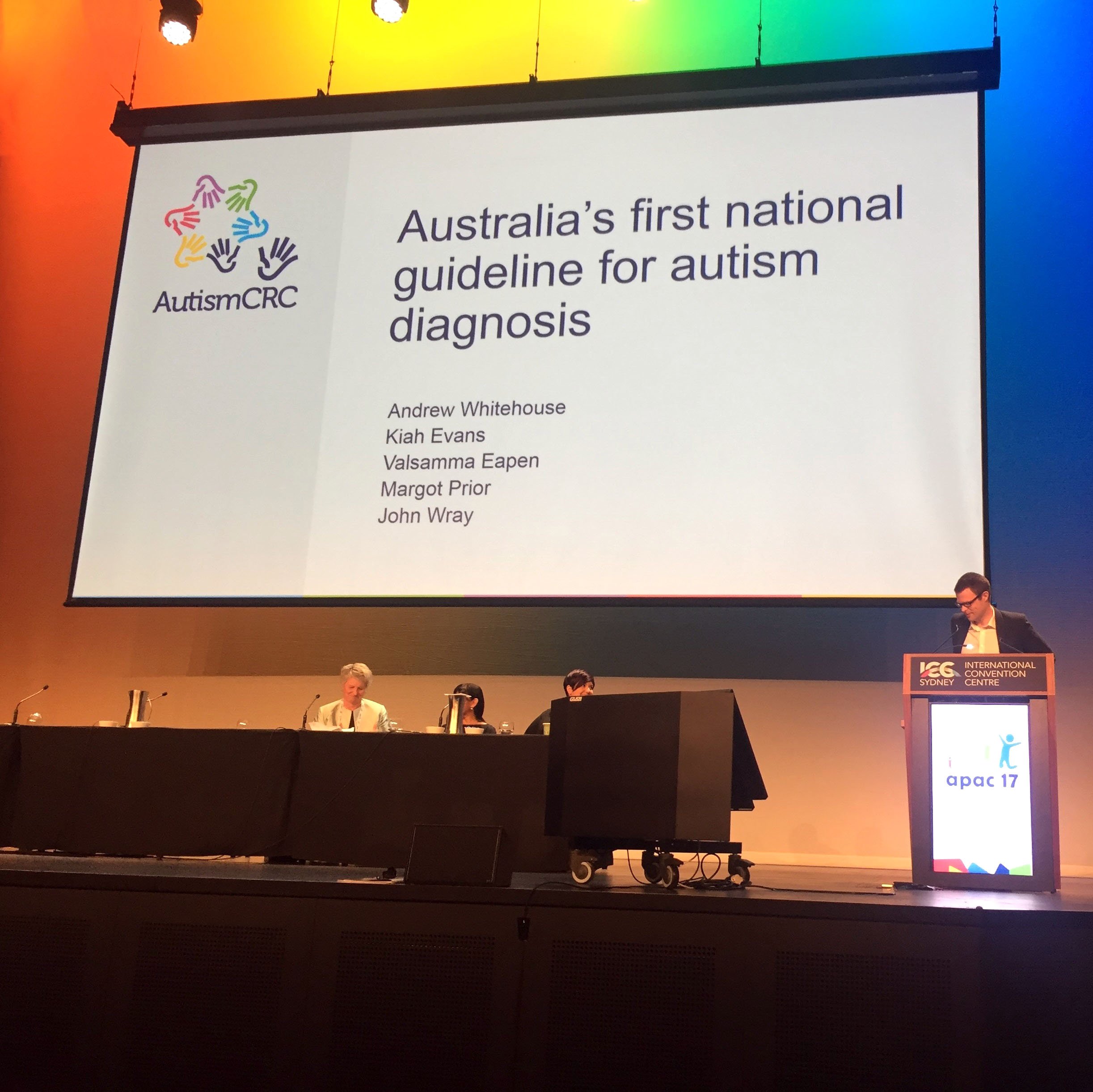
Australia’s first draft national guideline for autism diagnosis has today been released for public consultation.
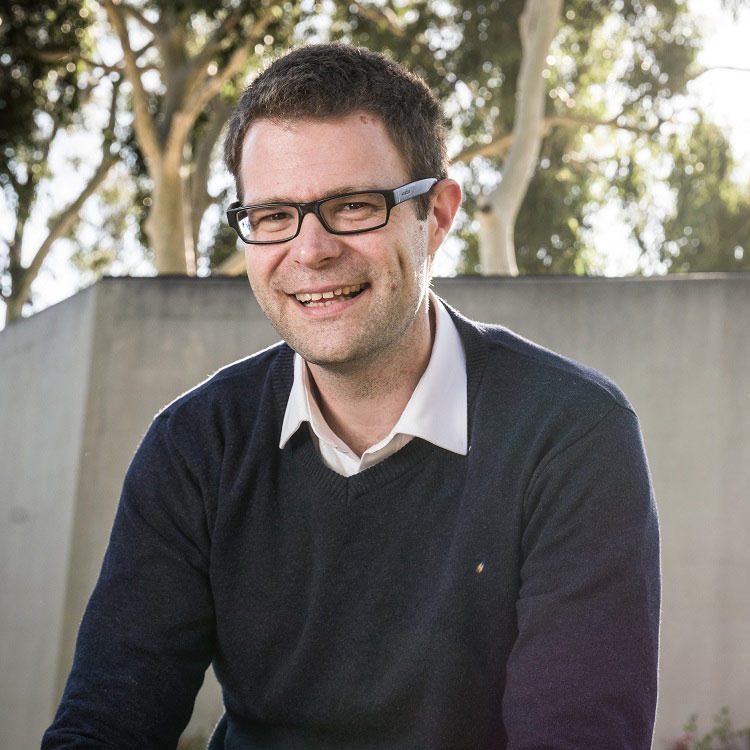
Professor Andrew Whitehouse awarded the most prestigious award in the country for young researchers – the 3M Eureka Prize for Emerging Leader in Science.
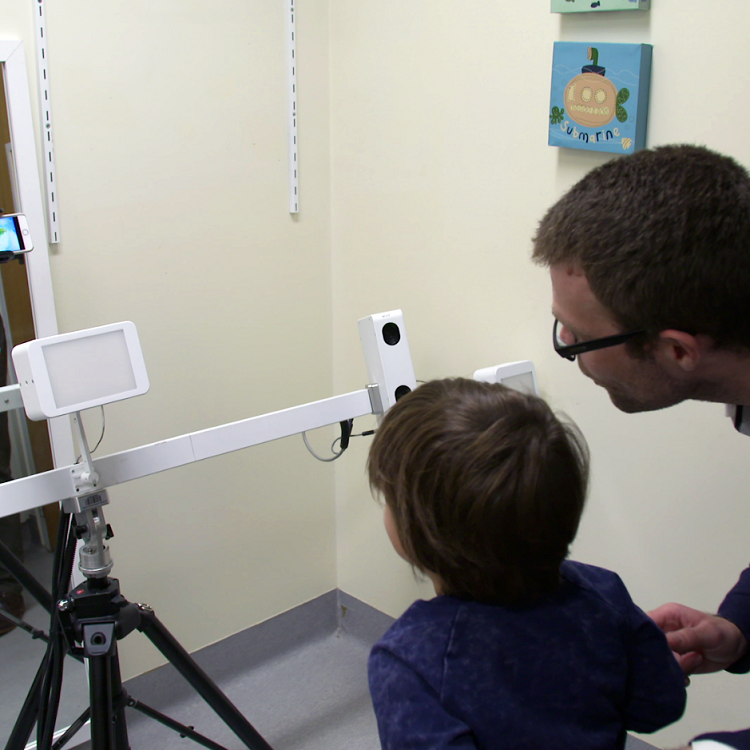
A new study led by The Kids Research Institute Australia has found a link between masculine facial features and autism.