
Search
Showing results for "A"

While many university students spend their summer break enjoying a bit of downtime, Will Kermode spent his in a laboratory.
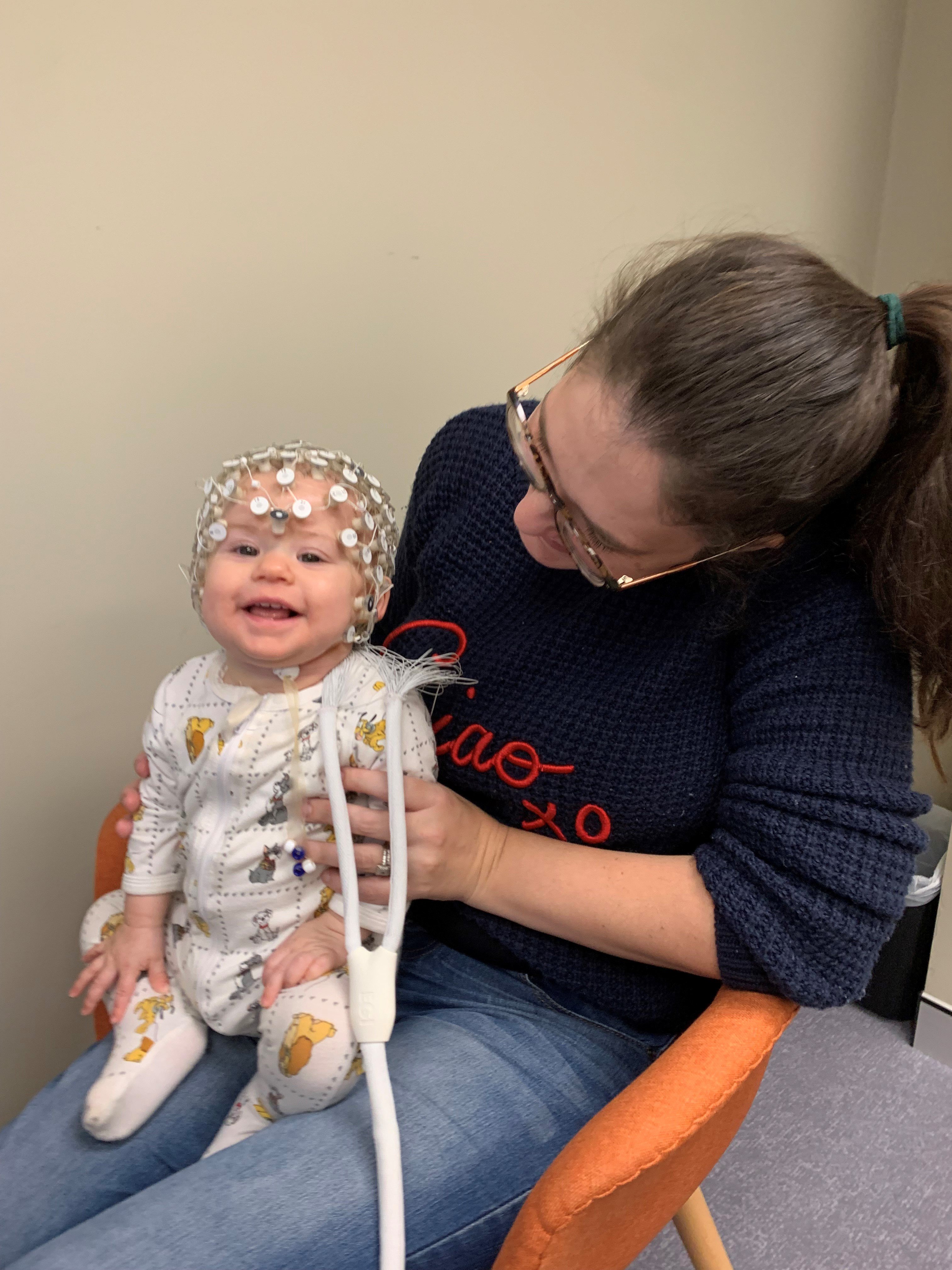
Baby Audrey is involved in the Cub Study at CliniKids.
The aim of this study was to devise an evidence-based missing data rule for the Quality of Life Inventory-Disability (QI-Disability) questionnaire specifying how many missing items are permissible for domain and total scores to be calculated using simple imputation.
On 8th April 2021, the Australian Technical Advisory Group on Immunisation (ATAGI) made the Pfizer-BioNtech (Comirnaty) vaccine the “preferred” vaccine for adults in Australia aged < 50 years due to a risk of thrombosis with thrombocytopenia syndrome (TTS) following AstraZeneca vaccination. We sought to understand whether this impacted COVID-19 vaccine intentions.
This paper is a report on progress towards a joint Australian and New Zealand vaccination program for Group A Streptococcus bacteria, which causes serious...
Patients with congenital heart disease (CHD) are identified in 1% of live births. Improved surgical intervention means many patients now survive to adulthood, the corollary of which is increased mortality in the over-65-year-old congenital heart disease population. In the clinic, genetic sequencing increasingly identifies novel genetic variants in genes related to CHD.
When performing computerized tomography chest imaging in children, obtaining high quality, motion-free images is important in the accurate diagnosis of underlying pathology. General anesthesia is associated with the development of atelectasis, which can impair accurate diagnosis by obscuring or altering the appearance of the lung parenchyma or airways.
Residents of rural areas internationally typically experience chronic disease risk profiles worse than city dwellers. Poor diet, a key driver of chronic disease, has been associated with unhealthy food environments, and rural areas often experience limited access to healthy, fresh and affordable food.
Summarising the current knowledge of Strep A transmission to humans will address gaps in the evidence and inform prevention and control strategies. The objective of this study is to evaluate the modes of transmission and attack rates of group A streptococcal infection in human populations.
Over 5 days, 120 schoolchildren from two schools in the remote Kimberley region of Australia were screened for Strep A pharyngitis. Molecular point-of-care testing identified Strep A pharyngitis in 13/18 (72.2%) symptomatic children. The portability and feasibility of molecular point-of-care testing was highly practical for remote settings.