
Search
Showing results for "A"
CDKL5 deficiency disorder (CDD) is a rare developmental and epileptic encephalopathy. Ganaxolone, a neuroactive steroid, reduces the frequency of major motor seizures in children with CDD. This analysis explored the effect of ganaxolone on non-seizure outcomes.
It is now well accepted that germline or de novo genetic alterations predispose to cancer development, especially during childhood. Among them, constitutive trisomy 21, also known as Down syndrome (DS), has been shown to predispose to acute leukemia affecting both the myeloid (ML-DS) and lymphoid (DS-ALL) lineages. ML-DS is associated with a good prognosis compared to children without DS, due in part to a higher sensitivity to conventional chemotherapy.
General movements (GMs) are part of the spontaneous movement repertoire and are present from early fetal life onwards up to age five months. GMs are connected to infants' neurological development and can be qualitatively assessed via the General Movement Assessment. In particular, between the age of three to five months, typically developing infants produce fidgety movements and their absence provides strong evidence for the presence of cerebral palsy.
This study aimed to explore the rates of motor difficulties in children from the Australian Autism Biobank, and how early motor concerns impacted on children functionally.
Extensive research over the past 50 years has resulted in significant improvements in survival for patients diagnosed with leukemia. Despite this, a subgroup of patients harboring high-risk genetic alterations still suffer from poor outcomes. There is a desperate need for new treatments to improve survival, yet consistent failure exists in the translation of in vitro drug development to clinical application.
This study sought to determine the prevalence of Developmental Language Disorder (DLD) in Australian school-aged children and associated potential risk factors for DLD at 10 years.

When health organisations in the north-west of WA requested urgent action to address the region’s high rate of skin infections, Dr Asha Bowen answered the call.

Researchers from the Wal-yan Respiratory Research Centre are collaborating with Virex Pharma to undertake vital research into a potential breakthrough treatment for RSV infections in young children, thanks to a $499,241 grant awarded by the WA Department of Health Innovation Seed Fund.
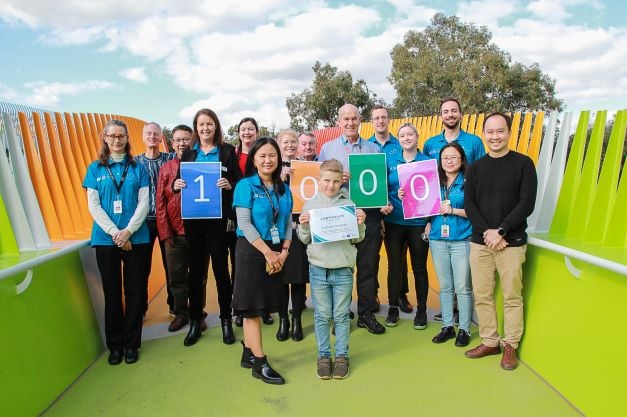
The MAVRIC (Mechanisms of Acute Viral Respiratory Infection in Children) study recently celebrated the recruitment of the 1000th participant to the study, eight-year-old Sullivan Strahan.
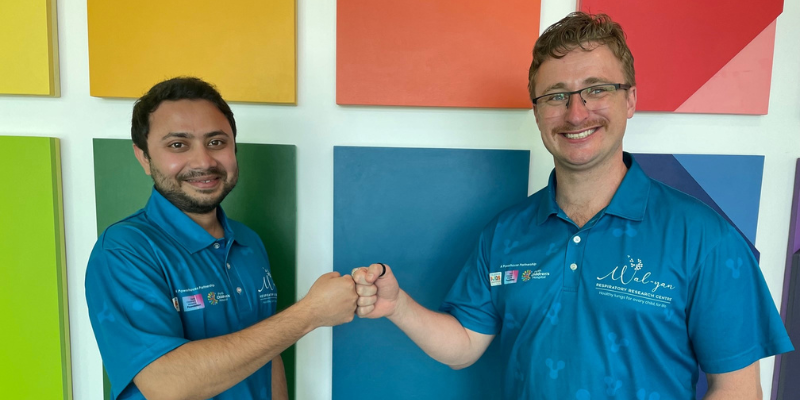
As part of the Wal-yan Respiratory Research Centre’s aim to support the next generation of scientists in children’s respiratory research, a competitive scholarship program was introduced this year.