
Search
Showing results for "A"
Adverse pregnancy outcomes including maternal mortality, stillbirth, preterm birth, intrauterine growth restriction cause millions of deaths each year. More effective interventions are urgently needed. Maternal immunization could be one such intervention protecting the mother and newborn from infection through its pathogen-specific effects.
Given the rise of multidrug-resistant (MDR) Pseudomonas aeruginosa infections, alternative treatments are needed. Anti-pseudomonal phage therapy shows promise, but its clinical application is limited due to the development of resistance and a lack of biofilm penetration.

The agenda of sessions for day two
Initial acquisition and succession of the cystic fibrosis lung microbiome is associated with disease progression in infants and preschool children
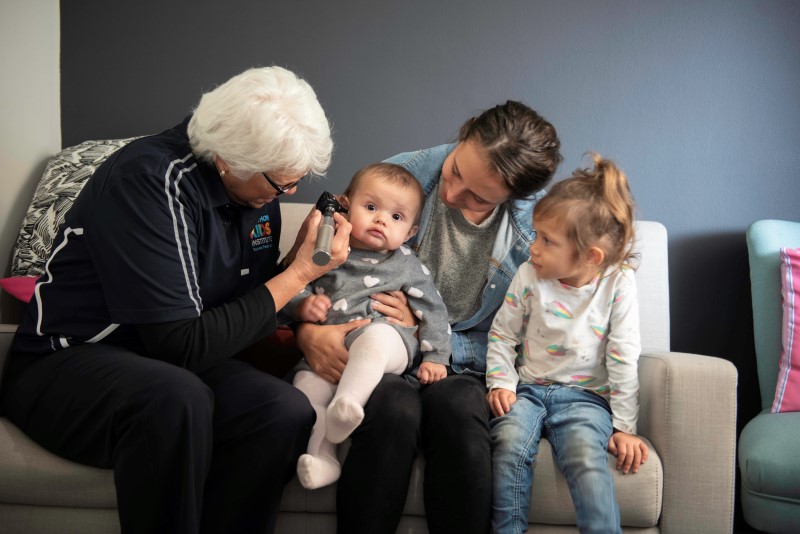
The Wesfarmers Centre of Vaccines and Infectious Diseases has appointed Mrs Valerie Swift to a newly created Aboriginal Cultural Guidance Advisor position.
Christopher Peter Peter Tom Blyth Jacoby Richmond Snelling MBBS (Hons) DCH FRACP FRCPA PhD BA (Hons) MSc MBBS MRCP(UK) FRACP BMBS DTMH GDipClinEpid

Enrolments for Australia’s first needle-free, gene-based COVID-19 vaccine study – to be led in WA by The Kids Research Institute Australia – are open.

We are pleased to announce latest recipients of the Stan and Jean Perron Awards, that recognise the work of exceptional postgraduate students who are undertaking their research projects at The Kids Research Institute Australia.
Little is known about how or when language and visuospatial processing lateralise in the brain, and if individual differences in lateralisation are related to early language or visuospatial abilities. We explored if patterns of language and visuospatial lateralisation are related to cognitive skills in young children.
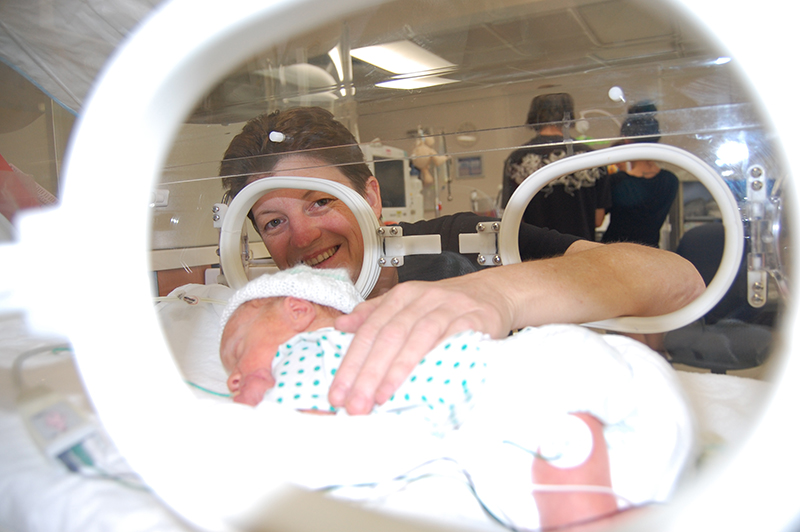
The Chronobiology team works to understand the factors that contribute to poor lung and heart function in newborn infants and find ways to prevent heart and lung disease.