
Search
Showing results for "A"
Human respiratory syncytial virus (RSV) is an important cause of acute respiratory infection with the most severe disease in the young and elderly. Non-pharmaceutical interventions and travel restrictions for controlling COVID-19 have impacted the circulation of most respiratory viruses including RSV globally, particularly in Australia, where during 2020 the normal winter epidemics were notably absent.
Children with comorbidities are at greater risk of severe influenza outcomes compared with healthy children. In Australia, influenza vaccination was funded for those with comorbidities from 2010 and all children aged <5 years from 2018. Influenza vaccine coverage remains inadequate in children with and without comorbidities.
Altered mental status is a major criterion for a diagnosis of encephalitis to be made with alteration in behavior, a key manifestation of altered mental status. We reviewed all evaluated cases identified by the Australian Childhood Encephalitis study between May 2013 and June 2018.
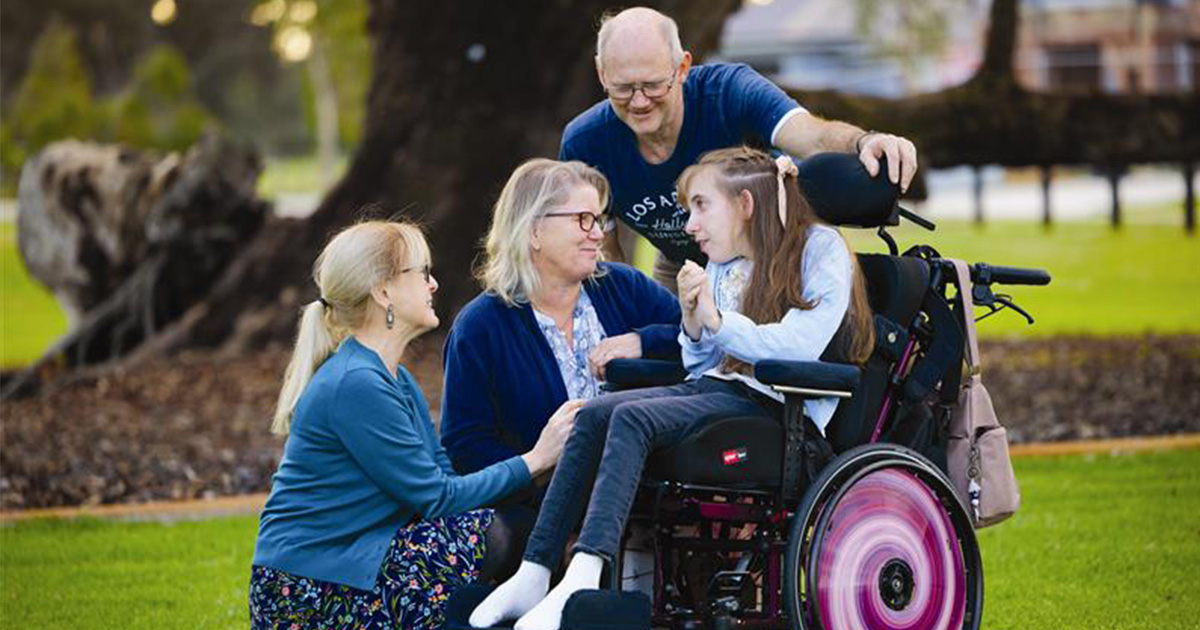
Affecting approximately 400 people in Australia, Rett syndrome is a rare neurological disorder that occurs almost exclusively in girls and affects mobility and development, impacting everything from walking and talking to eating and breathing.

Hip Hop 2 SToP video It didn’t take long for shyness to make way for excitement when a group of children from Dampier Peninsula communities got
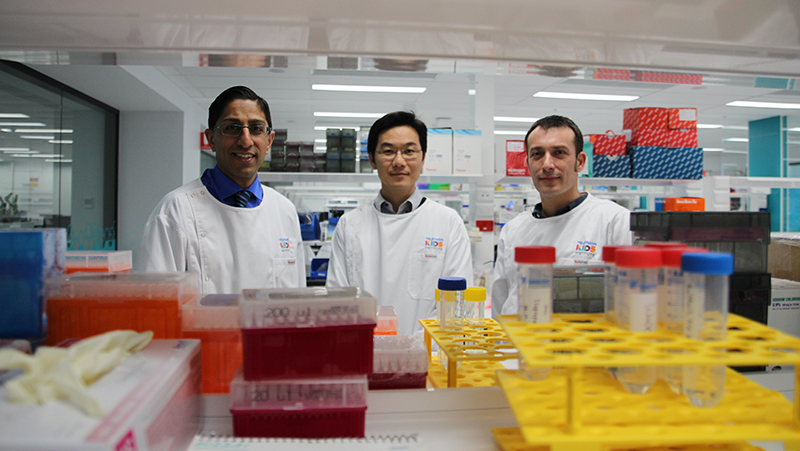
Kids born with Down syndrome are at high risk of an array of health problems – including issues with sight, hearing, heart defects, bone complications, immune disorders and learning difficulties.
BK polyomavirus (BKPyV) is a common opportunistic infection in kidney transplant recipients, typically reactivating in the context of immunosuppression. Although asymptomatic in immunocompetent individuals, reactivation in transplant recipients can cause BKPyV-associated nephropathy (BKPyVAN), a leading cause of graft dysfunction and loss. BKPyV viremia affects approximately 10%-15% of transplant recipients, and once BKPyVAN is established, the risk of graft failure can exceed 50%.
According to the Cognitive Emotional Model of Non-Suicidal Self-Injury (NSSI), this behavior is governed by a complex interplay of NSSI-related cognitions (i.e., a person's expected outcomes of self-injury and self-efficacy to resist NSSI) and emotion-regulatory strategies (i.e., cognitive reappraisal and expressive suppression). To empirically test this proposition, the current study examined the moderating roles of self-efficacy to resist NSSI, cognitive reappraisal, and expressive suppression in the relationships between outcome expectancies and NSSI frequency among university students.
Nasal epithelial cells from young adults with a history of very preterm birth show delayed closure following scratch-wounding. Repair correlated with lung function, suggesting epithelial barrier integrity may play a role in preterm-associated lung disease.
Lung squamous cell carcinoma (LUSC) is a significant health concern, characterized by a lack of specific therapies and limited treatment options for patients in advanced stages. This study aims to identify key molecules of prognostic importance in LUSC and provide an experimental foundation for their potential therapeutic applications.