
Search
To identify the barriers and facilitators for timely detection and optimal management of otitis media in Aboriginal children in a primary care setting from the perspective of Health Care Providers
There is a growing understanding of how Aboriginal and Torres Strait Islander peoples in Australia define healthy ageing. Little is known however about how aged care services can support their healthy ageing needs. Therefore, the aim of this study was to explore community and service provider perspectives on how home-based and residential aged care services can best support the healthy ageing needs of Aboriginal and Torres Strait Islander peoples.
Low vitamin D status and intake are prevalent among the Australian population, including Aboriginal and Torres Strait Islander peoples. We hypothesised that some traditional foods could contain vitamin D, and measured vitamin D in foods from Nyoongar Country, Western Australia. Samples of kangaroo, emu, squid/calamari and lobster/crayfish were collected and prepared by Aboriginal people using traditional and contemporary methods.
Studies of traditional Indigenous compared to 'Western' gut microbiomes are underrepresented, and lacking in young children, limiting knowledge of early-life microbiomes in different cultural contexts. Here we analyze the gut metagenomes of 50 Indigenous Australian infants (median age <one year) living remotely with variable access to Western foods, compared to age- and sex-matched non-Indigenous infants living in urban Australia.
Traditional markers modestly predict chronic kidney disease progression in Aboriginal and Torres Strait Islander people. Therefore, we assessed associations of cardiometabolic and inflammatory clinical biomarkers with kidney disease progression among Aboriginal and Torres Strait Islander people with and without diabetes.
Despite evidence documenting high prevalence of type 2 diabetes among several Indigenous populations, a comprehensive systematic review of type 2 diabetes among global Indigenous Peoples has not been recently conducted. Our aim was to report region-, time-, age- and sex-specific type 2 diabetes prevalence among Indigenous adult populations globally.
Since there are known disparities between Aboriginal and non-Aboriginal populations in Australia, trends in infant mortality rates can be used to assess the...
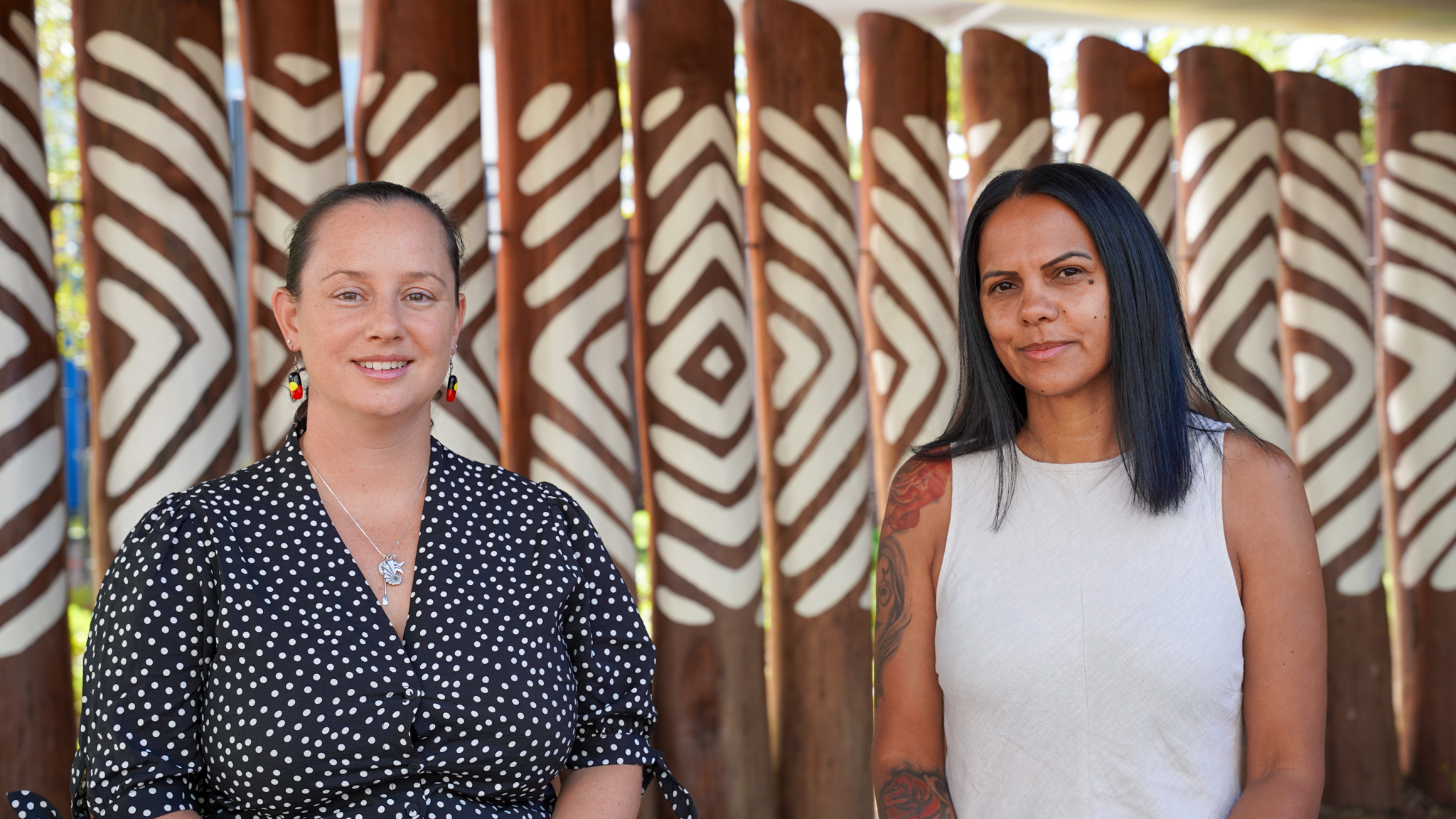
A first of its kind research program at The Kids Research Institute Australia aims to develop new strategies to better treat Aboriginal and Torres Strait Islander children with cancer.
It is likely that young people who are both Aboriginal and Torres Strait Islander and LGBTQA+ would be at increased risk for poor mental health outcomes due to the layered impacts of discrimination they experience; however, there is very little empirical evidence focused on the mental health and wellbeing of Aboriginal and Torres Strait Islander LGBTQA+ young people. The current study represents a qualitative exploration of wellbeing among Aboriginal LGBTQA+ young people.
Cardiovascular disease (CVD) is the leading cause of death in women around the world. Aboriginal and Torres Strait Islander women (Australian Indigenous women) have a high burden of CVD, occurring on average 10-20 years earlier than non-Indigenous women.