
Search
Showing results for "A"
Tobias Strunk MD, PhD, FRACP Head, Neonatal Health tobias.strunk@thekids.org.au Head, Neonatal Health Clinical Professor Tobias Strunk is a
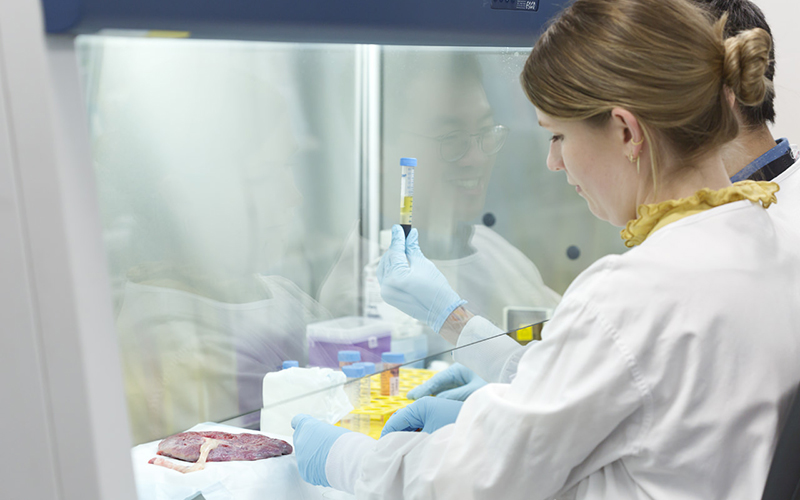
Four The Kids Research Institute Australia-based biobanks which underpin a range of cancer, respiratory and early life research have received more than $450,000 in funding.
Remote-living Aboriginal children in Australia contend with higher rates of skin infections than non-Indigenous children. This work was embedded within a stepped-wedge, cluster randomised controlled trial aiming to halve the rate of skin infections in remote Kimberley communities. It outlines and reflects upon the co-development of a health promotion resource in partnership with the East Kimberley community of Warmun, whilst understanding community perceptions of its impact.
Controlling the syphilis epidemic in Australia is a public health priority. Regular intramuscular (IM) injections of benzathine penicillin G (BPG) are the current standard of care for late latent syphilis in Australia; however, repeated IM BPG injections are painful, and treatment completion rates are low. Early-phase clinical trials have demonstrated the tolerability and safety of high-dose subcutaneous infusions of BPG (SCIP), where the total treatment dose can be delivered at a single visit. Here we describe the experiences and preferences of attendees of Western Australian sexual health clinics in the Perth metropolitan region who have syphilis and were treated with SCIP.
COVID-19 related non-pharmaceutical interventions (NPIs) disrupted global healthcare utilisation, with notable declines in infection related paediatric hospitalisations. We aimed to identify non-infectious paediatric conditions for which the incidence of hospital admissions increased during the introduction and alleviation of NPIs in 2020.
Eradication and elimination strategies for lymphatic filariasis (LF) primarily rely on multiple rounds of annual mass drug administration (MDA), but also may benefit from vector control interventions conducted by malaria vector control programs. We aim to examine the overlap in LF prevalence and malaria vector control to identify potential gaps in program coverage.
The skin is the largest and most visible organ of the human body. As such, skin infections can have a significant impact on overall health, social wellbeing and self-image.
Immune checkpoint therapy (ICT) causes durable tumour responses in a subgroup of patients, but it is not well known how T cell receptor beta (TCRβ) repertoire dynamics contribute to the therapeutic response.
Pregnancy and the postnatal period can be a time of increased psychological distress, which can be detrimental to both the mother and the developing child. Digital interventions are cost-effective and accessible tools to support positive mental health in women during the perinatal period.
Following the outbreak of COVID-19, social distancing restrictions limited access to face-to-face mental health services in Western Australia (WA), necessitating a rapid transition to non-face-to-face alternatives, including telehealth. The current study investigated barriers and facilitators to telehealth access and engagement, and preferences for child and youth mental health service delivery during and beyond COVID-19.