Skip to content

Search

Real-world glycaemic outcomes in children and young people on advanced hybrid closed-loop therapy: A population-based study in Western Australia

To evaluate real-world glycaemic outcomes in children with type 1 diabetes commencing advanced hybrid closed loop therapy and to explore these outcomes based on the cohort's clinical and socioeconomic characteristics.

"i Think i Could Have Used It Better": Experiences of Youth with High HbA1c Commencing Advanced Hybrid Closed-Loop Therapy in a Clinical Trial Setting - A Qualitative Research

Advanced hybrid closed-loop (AHCL) therapy improves glycemia. However, it is not known if there is an improvement in overall outcomes with AHCL for youth with type 1 diabetes (T1D) at high risk of diabetes-related complications. The study aimed to capture the experiences of youth with suboptimal glycemic control when commencing AHCL therapy in a clinical trial setting. 

Contributions of digital technologies for resilience capacity in a type 1 diabetes transition clinic: A qualitative study

A type 1 diabetes (T1D) transition clinic in Sydney, Australia, provides age specific care for young adults (aged 16-25 years) and for adults (aged 21 years and above), and has reported improved clinical outcomes post transition to adult care over a 21-year period. This study investigated the contribution of digital technology to long-term resilient capacity of the clinic.

Improved Glycemic Outcomes With Diabetes Technology Use Independent of Socioeconomic Status in Youth With Type 1 Diabetes

Technology use in type 1 diabetes (T1D) is impacted by socioeconomic status (SES). This analysis explored relationships between SES, glycemic outcomes, and technology use.

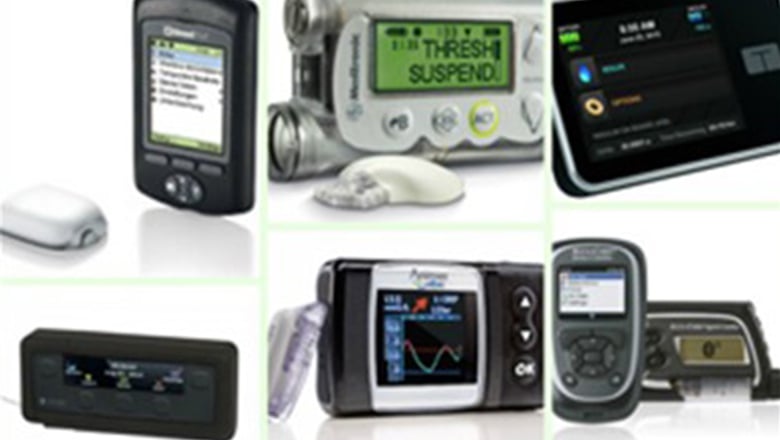
Advances in Automated Insulin Delivery with the Medtronic 780G: The Australian Experience

To assess the real-world performance of MiniMed™ 780G for Australians with type 1 diabetes (T1D) following advanced hybrid closed loop (AHCL) activation and to evaluate the effect of changing from MiniMed 670/770G to 780G.

Development of a Novel Mobile Health App to Empower Young People With Type 1 Diabetes to Exercise Safely: Co-Design Approach

Blood glucose management around exercise is challenging for youth with type 1 diabetes (T1D). Previous research has indicated interventions including decision-support aids to better support youth to effectively contextualize blood glucose results and take appropriate action to optimize glucose levels during and after exercise. Mobile health (mHealth) apps help deliver health behavior interventions to youth with T1D, given the use of technology for glucose monitoring, insulin dosing, and carbohydrate counting.

Environmental Determinants of Islet Autoimmunity (ENDIA) longitudinal prospective pregnancy to childhood cohort study of Australian children at risk of type 1 diabetes: parental demographics and birth information

The Environmental Determinants of Islet Autoimmunity Study is an ongoing Australian prospective cohort study investigating how modifiable prenatal and early-life exposures drive the development of islet autoimmunity and type 1 diabetes in children. In this profile, we describe the cohort's parental demographics, maternal and neonatal outcomes and human leukocyte antigen genotypes. 

Measures of Early-life Behavior and Later Psychopathology in the LifeCycle Project-EU Child Cohort Network: A Cohort Description

The EU LifeCycle Project was launched in 2017 to combine, harmonize, and analyze data from more than 250,000 participants across Europe and Australia, involving cohorts participating in the EU-funded LifeCycle Project. The purpose of this cohort description is to provide a detailed overview of the major measures within mental health domains that are available in 17 European and Australian cohorts participating in the LifeCycle Project.

Impact of Missing Data on the Accuracy of Glucose Metrics from Continuous Glucose Monitoring Assessed Over a 2-Week Period

To explore the impact of missing data on the accuracy of continuous glucose monitoring (CGM) metrics collected for a 2-week period in a clinical trial.

Childhood-onset type 1 diabetes in Western Australia: An update on incidence and temporal trends from 2001 to 2022

To determine the incidence and incidence trends over 2001-2022 of childhood-onset type 1 diabetes (T1D) in Western Australia and assess the impact of the COVID-19 pandemic.