Skip to content

Search

Mental health and wellbeing

We are trying to understand what underlies mental health problems in young people with diabetes, with a school-related focus, and how we can best treat them.

Exercise

Our research focuses on what are the best ways for patients with type 1 diabetes to exercise safely.

Impact of Body Composition on the Accuracy of a Medtronic Guardian Continuous Glucose Monitoring System

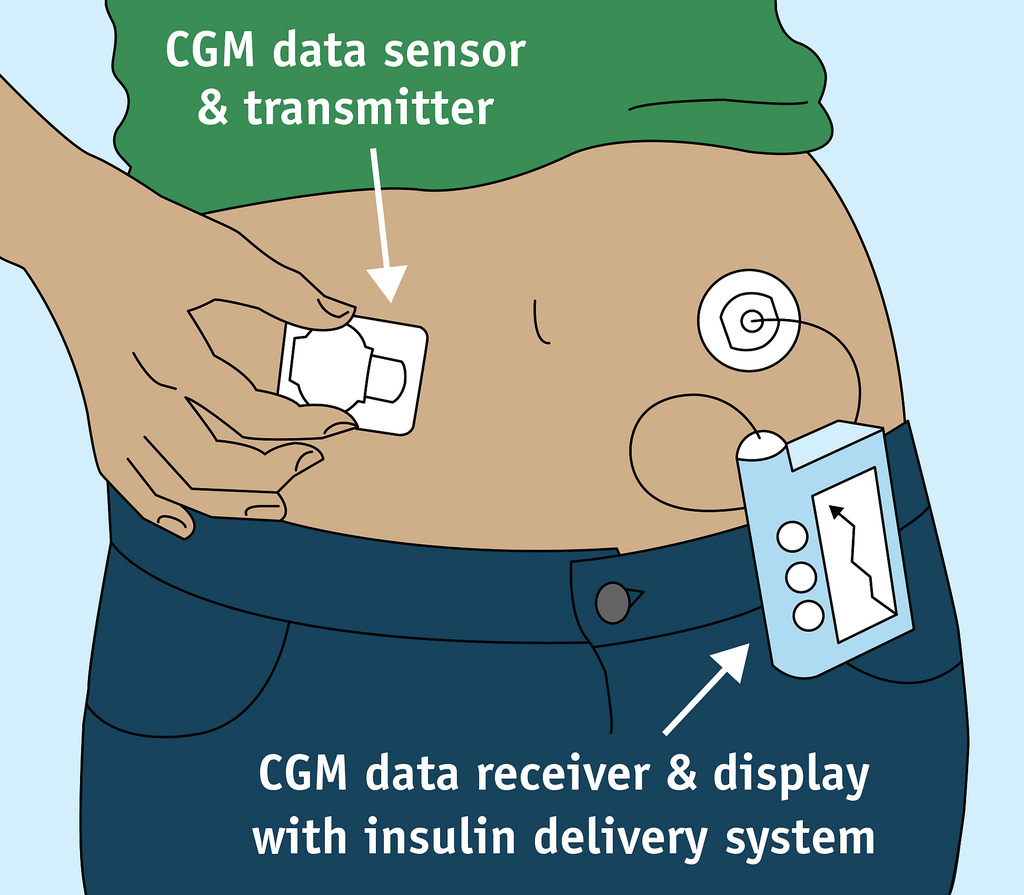
Continuous glucose monitoring systems are used in therapeutic decisions for diabetes management, however, the impact of body composition on CGM accuracy is not known. Body composition variables were collected in an observational study designed to determine the accuracy of an investigational Medtronic Guardian™ sensor 3.

Protocol for a nested case-control study design for omics investigations in the Environmental Determinants of Islet Autoimmunity cohort

The Environmental Determinants of Islet Autoimmunity (ENDIA) pregnancy-birth cohort investigates the developmental origins of type 1 diabetes (T1D), with recruitment between 2013 and 2019. ENDIA is the first study in the world with comprehensive data and biospecimen collection during pregnancy, at birth and through childhood from at-risk children who have a first-degree relative with T1D.

Efficacy of the MiniMed™ 670G hybrid closed loop system in managing postprandial glucose excursion with high protein high fat foods in children and adolescents under free-living conditions

High protein high fat meals are considered “difficult” foods because they can cause prolonged hyperglycemia after ingestion. The potential of hybrid closed loop therapy in managing postprandial glucose excursions with these difficult foods remains unknown. This pilot study aimed to explore the impact of manual mode in standard insulin pump therapy and auto mode with hybrid closed loop pump therapy in managing glucose excursions caused by HPHF foods and to obtain feedback from families about each mode.

Association of Achieving Time in Range Clinical Targets With Treatment Modality Among Youths With Type 1 Diabetes

Continuous glucose monitoring (CGM) devices have demonstrated efficacy in adults and more recently in youths and older adults with type 1 diabetes. In adults with type 1 diabetes, the use of real-time CGM compared with intermittently scanned CGM was associated with improved glycemic control, but there are limited data available for youths. 

“Sometimes Our Mob Don't Really Take It Serious Until It's Serious”: The Experiences of Western Australian Aboriginal Adolescents Living With Type 2 Diabetes, Their Parents, and Their Family Members

In Australia, Aboriginal children experience disproportionate rates of type 2 diabetes (T2D) compared with non-Aboriginal children. The aim of this qualitative study was to explore the experiences of Aboriginal adolescents with T2D and their family members to better understand the influences of T2D on self-management, with findings used to inform an enhanced service model of care.

Plastics in human diets: development and evaluation of the 24-h Dietary Recall — Plastic Exposure and the Dietary Plastics Score

Humans are commonly exposed to plastic through their dietary intake and food consumption patterns. Plastic-associated chemicals (PAC), such as bisphenols and phthalates, are recognized as endocrine-disrupting and are associated with increased risk of cardiovascular disease and metabolic syndrome. However, accurate methods to assess dietary exposure to plastic products and PAC are inadequate, limiting interrogation of health impacts. 

Disparities in Diabetes Technology Uptake in Youth and Young Adults With Type 1 Diabetes: A Global Perspective

Globally, nearly 9 million people are living with type 1 diabetes (T1D). Although the incidence of T1D is not affected by socioeconomic status, the development of complications and limited access to modern therapy is overrepresented in vulnerable populations. Diabetes technology, specifically continuous glucose monitoring and automated insulin delivery systems, are considered the gold standard for management of T1D, yet access to these technologies varies widely across countries and regions, and varies widely even within high-income countries.