
Search
Showing results for "A"
The current prophylactic treatment to prevent rheumatic heart disease requires four-weekly intramuscular injection of a suspension of the poorly soluble benzathine salt form of penicillin G (BPG) often for more than 10 years. In seeking to reduce the frequency of administration to improve adherence, biodegradable polymer matrices have been investigated.
In the 21st century, rheumatic fever (RF) and rheumatic heart disease (RHD) are neglected diseases of marginalized communities.
Human rhinovirus (HRV) species C (HRV-C) have been associated with frequent and severe acute lower respiratory infections and asthma in hospitalized children.
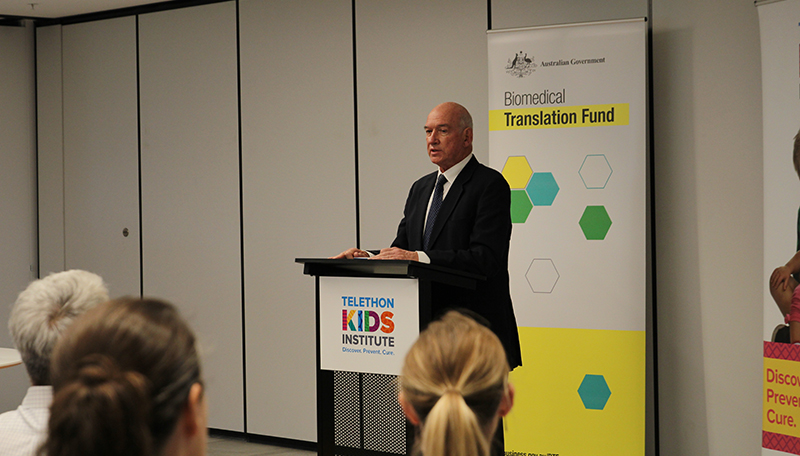
A The Kids Research Institute Australia spin-off company has received $20 million from the Medical Research Commercialisation Fund to develop a promising new therapy for the treatment of Cystic Fibrosis.
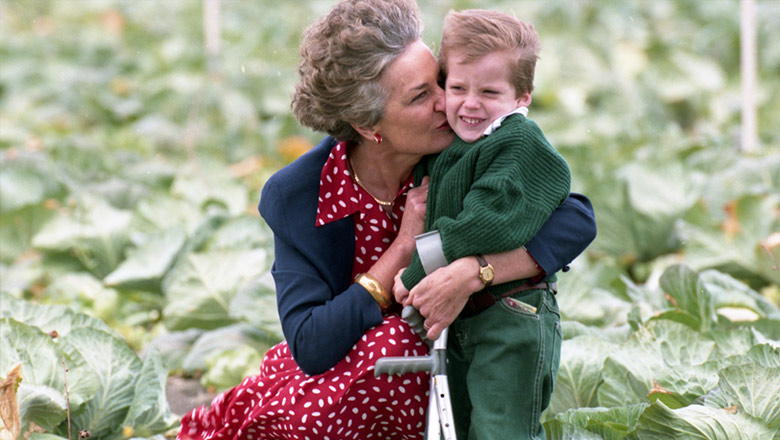
The Kids successfully pushed for the mandatory fortification of flour in Aus with the vitamin folic acid for the primary prevention of neural tube defects
Neurodiversity refers to the different ways that people experience and interact with the world around them. Each person’s brain works differently, meaning no two brains are the same.
The language we use shifts over time and the words we use are important. At CliniKids, we are committed to using language that is neuroaffirming and preferred by the autistic community.
The Early Neurodevelopment and Mental Health team is focused on preventing childhood mental illness and optimising children’s development and wellbeing in the first years of their life. We are interested in understanding and identifying the factors that contribute to difficulties in mental health and development, as well as developing cost-effective prevention and early intervention approaches for addressing developmental needs and promoting resilience.
The Skin Health Situational Analysis was conducted in 2017 with and for stakeholders in the Kimberley region as a precursor to the SToP Trial to highlight all that was already known prior to commencement in 2018. It was completed to be a resource for communities in the Kimberley who would like to de
In partnership with local Aboriginal Community Controlled Health Organisations, the Elder-led co-designed Koolungar Moorditj Healthy Skin project is guided by principles of reciprocity, capacity building, respect, and community involvement. Through this work, the team of Elders, community members, clinicians and research staff have gained insight into the skin health needs of urban-living Aboriginal koolungar (children); and having identified a lack of targeted and culturally appropriate health literacy and health promotion resources on moorditj (strong) skin, prioritised development of community-created healthy skin resources.