
Search
Showing results for "A"
The overarching aim of this project is to understand how plasmacytoid dendritic cells function in children with asthma and how genes and environmental stimuli influence these cells.
Nick Rishi S. Laurence Sung Gottardo Kotecha Cheung Chiu MBChB FRACP PhD MB ChB (Hons) MRCPCH FRACP PhD BPharm (Hons) MBA PhD MBBS FRACP FRCPA PhD
We want to better understand the relationship between parents/carers and their children who identify as trans or gender diverse with the aim of improving the well-being of the whole family.
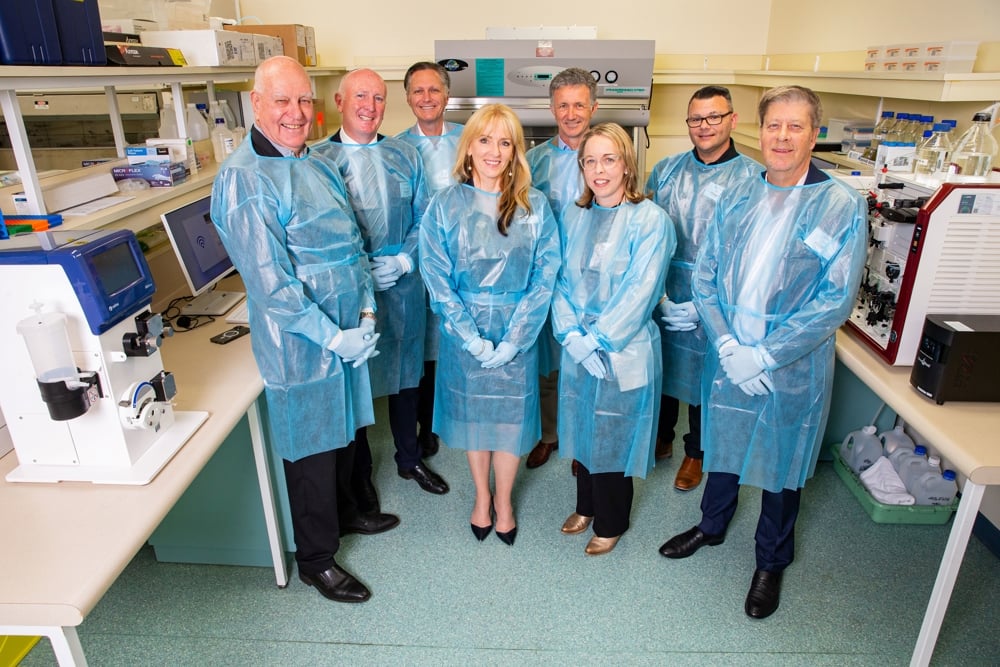
Patients battling antibiotic-resistant superbugs will soon have access to life-saving WA-made therapies that could help treat lung, skin and ear infections as well as bacterial infections like Golden Staph. Western Australia's inaugural phage manufacturing facility – spearheaded by a team at the
Language is one of the most remarkable developmental accomplishments of early childhood. Language connects us with others and is an essential tool for literacy, education, employment and lifelong learning.
Convenient, readily available and helping create a close and loving bond between baby and mother, breastfeeding is highly regarded for optimising infant health and preventing chronic disease in adulthood.
CDKL5 deficiency disorder is a rare and severe developmental and epileptic encephalopathy that has profound effects on communication. It is essential that communication be measured accurately for upcoming gene therapy trials. The Communication Inventory Disability-Observer Reported was developed from a framework of communication derived from parent/caregiver interview data in consultation with disability and communication experts, and after reviewing concepts in existing measures.
Birth order effects have been linked to variability in intelligence, educational attainment and sexual orientation. First- and later-born children have been linked to an increased likelihood of an Autism Spectrum Disorder (ASD) diagnosis, with a smaller body of evidence implicating decreases in cognitive functioning with increased birth order. The present study investigated the potential association between birth order and ASD diagnostic phenotypes in a large and representative population sample.
We have demonstrated the potential use of Bayesian Networks in improving antibiotic selection for children with osteomyelitis
Rheumatic heart disease (RHD) after group A streptococcus (GAS) infections is heritable and prevalent in Indigenous populations. Molecular mimicry between human and GAS proteins triggers proinflammatory cardiac valve-reactive T cells.