
Search
Showing results for "A"
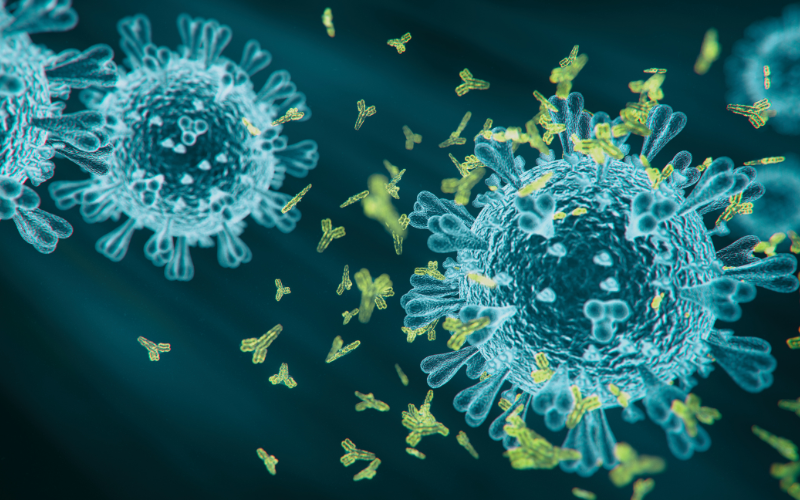
Results of an innovative clinical trial led by Perth researchers have shown that the drug interferon could help reduce the spread of COVID-19 from a positive person to their household contacts, with the study helping to inform treatment options for a future pandemic.
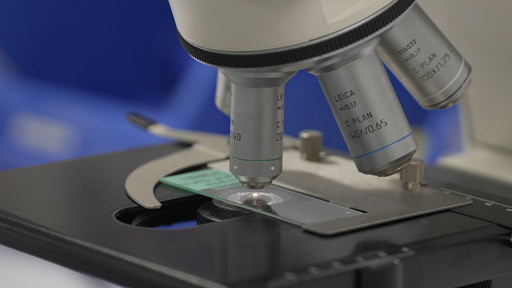
The Kids Research Institute Australia is equipped with a diverse range of histology and microscopy equipment and analysis software to facilitate state-of-the-art imaging.
PAEDS monitors for key vaccine preventable conditions and severe side effects from vaccine in 5 paediatric hospitals in Australia.
Glenn Martyn Pearson Symons BA (Education) PhD Candidate B.A. (Hons) PhD. Director of First Nations Strategy and Leadership; Head, First Nations
This project aims to determine the prevalence of chronic wet cough, PBB and middle ear disease in Aboriginal children in Aboriginal communities in the Kimberley.
Respiratory syncytial virus (RSV) is a major cause of respiratory infection with a higher burden in Aboriginal and Torres Strait Islander infants and children. We conducted a pilot qualitative study identifying disease knowledge and willingness to immunise following the changing immunisation landscape for infant RSV in 2024.
In Australia, accurate case ascertainment of acute rheumatic fever (ARF) and rheumatic heart disease (RHD) diagnoses for disease surveillance and control purposes requires the use of multiple data sources, including RHD registers and hospitalisation records. Despite drawing on multiple data sources, the true burden of ARF/RHD is likely to be underestimated.
Involvement in healthcare decisions is associated with better health outcomes for patients. For children and adolescents with intellectual disability, parents and healthcare professionals need to balance listening to a child's wishes with the responsibility of keeping them safe.
Young people who are lesbian, gay, bisexual, trans, queer or questioning, asexual and other diverse genders and sexualities (LGBTQA+) are at greater risk of adverse mental health outcomes and suicide, with additional barriers to accessing safe and affirming physical and mental health services in comparison to the general population.
Respiratory syncytial virus (RSV) reinfection in children is poorly understood. We examined the incidence, characteristics, and outcomes of hospital-attended RSV reinfections in children <16 years in Western Australia between 2012 and 2022.