
Search
Showing results for "A"
Further research is required to identify the optimal age, content and length of mindfulness programs for adolescents in universal prevention settings.
This study aimed to investigate whether multifactor scales of mindfulness can be used in adolescents.
This study assessed the efficacy of seasonal IIV3s against influenza due to 2008 and 2009 seasonal influenza strains and against the 2009 pandemic H1N1 strain
This letter congratulates Mulraney et al. regarding their paper on disruptive mood dysregulation disorder in children with ADHD.
This trial tested the safety & consistency of the immune responses elicited by three consecutive lots of tetravalent dengue vaccine.
Pet ownership brings many health benefits to individuals. In children developmental benefits can extend to improved self-esteem, better social competence and decreased loneliness. The majority of households with children own a dog, however only a small proportion of children gain the benefits of dog ownership through dog walking and play. There are few intervention studies investigating the impact of dog-facilitated physical activity in children. The PLAYCE PAWS study aims to test a minimal-contact intervention through the use of mobile health ("mhealth") strategies, i.e. text (SMS) messages, to parents to encourage their children to walk and play with their dog more, and evaluate the impact on children's overall physical activity and development.
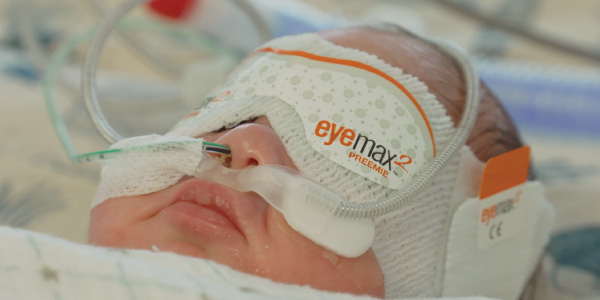
A simple set of eye masks and ear plugs – an inexpensive solution explored in a successful pilot study by The Kids Research Institute Australia, together with the Child and Adolescent Health Service – could hold the key to better outcomes for our tiniest bubs. Now, a nationwide clinical trial is testing the idea
Heart valve disease (HVD) can cause morbidity and impairment of quality of life (QOL) both before and after intervention. However, descriptions of the QOL of people with HVD across the disease course are limited. We aimed to collect the experience of people living with HVD through qualitative interviews, focusing on how HVD impacts their self-perceived QOL.
Dog ownership has been suggested to be positively associated with children's physical, social, and emotional development. This study investigated the effect of a mobile health dog-facilitated physical activity intervention on young children's social-emotional development and attachment to the family dog.
Men’s Sheds offer promising sites for unique health promotion opportunities, and while prior work has identified potential mechanisms that may support wellbeing, these mechanisms are yet to be empirically clarified in the Men’s Shed context. This study investigated the relationships between engagement in Men’s Sheds, social identification, social connectedness, social support, and wellbeing outcomes in Men’s Shed members in Western Australia.