
Search
Showing results for "A"
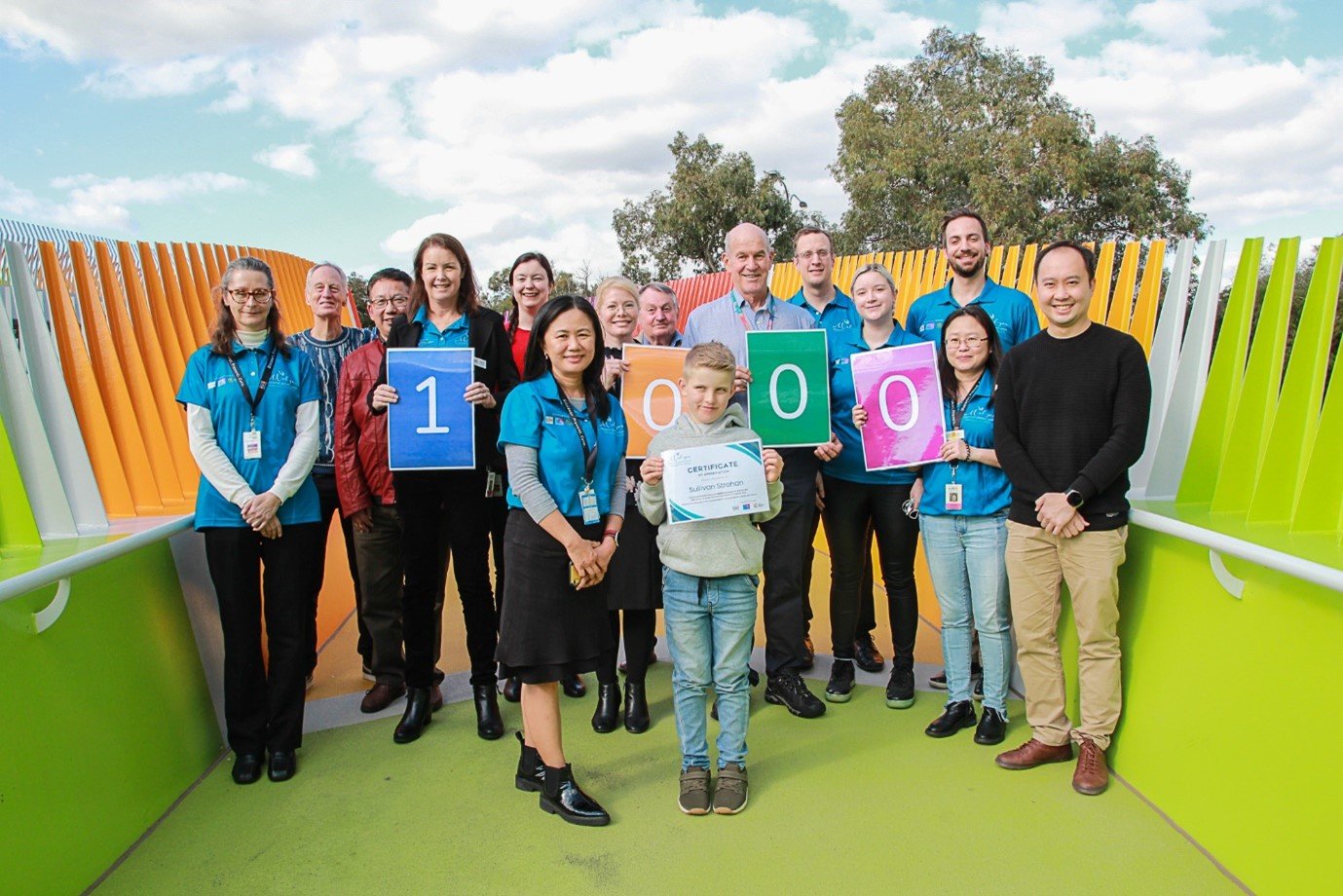
Our Children’s Respiratory Science team is currently seeking research buddies to provide a community perspective on research into childhood asthma attacks.
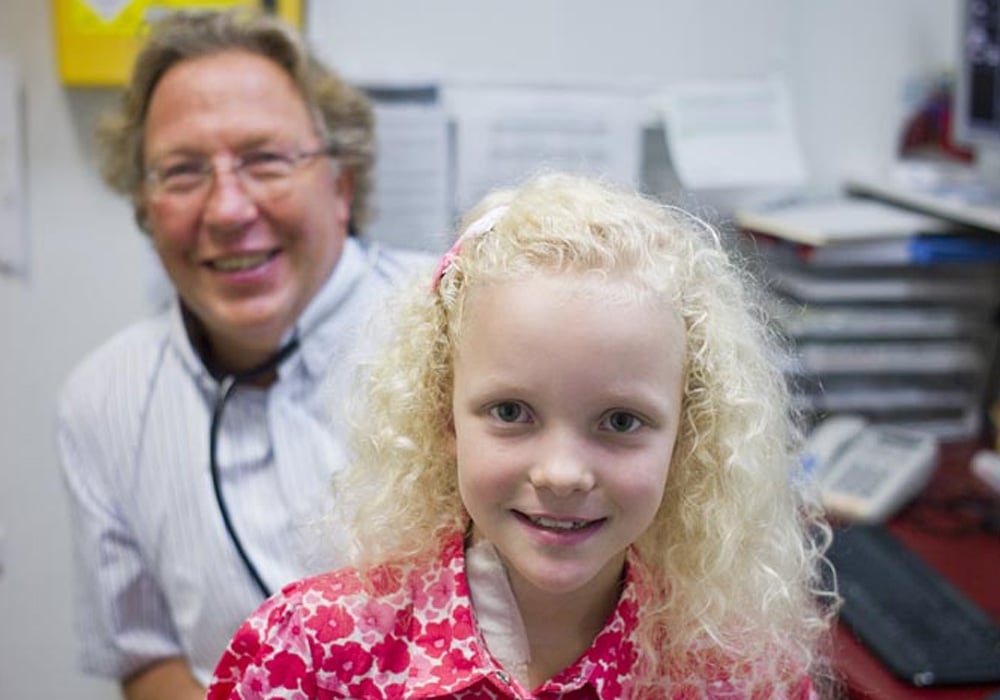
Cystic fibrosis (CF) is the most common life‐shortening genetic disease affecting children.
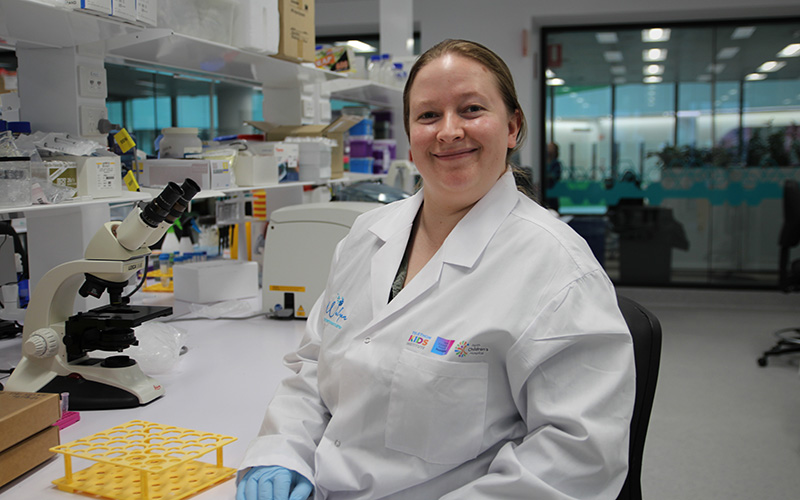
Wal-yan Respiratory Research Centre PhD candidate Katherine Landwehr is researching the impact of breathing in biodiesel exhaust fumes on the lungs.

Research Support Officer
Acute rheumatic fever (ARF) is a multiorgan inflammatory disorder that results from the body's autoimmune response to pharyngitis or a skin infection caused by Streptococcus pyogenes (Strep A). Acute rheumatic fever mainly affects those in low- and middle-income nations, as well as in indigenous populations in wealthy nations, where initial Strep A infections may go undetected.
The Early Moves study is investigating whether a baby’s early movements can predict difficulties with learning (known as cognitive impairment) later in childhood.

Our Child Health Analytics Team uses cutting-edge technologies to better understand how and why the health and wellbeing of children varies from place to place. We develop innovative geospatial methods that can harness large, complex datasets to pinpoint hotspots of elevated risk, evaluate change through time, and explore underlying drivers.
The Koolungar (children) Moorditj (strong) Healthy Skin project is the first ever co-designed research-service Australian study to describe skin health in urban-living Aboriginal koolungar.

Many people would be daunted when tasked with coordinating, from scratch, a new The Kids Research Institute Australia satellite site to service WA’s north. But not John Jacky
Neuromuscular disorders can lead to nocturnal hypoventilation. Accurate diagnosis of hypoventilation is imperative to guide treatment decisions. This study determined interobserver agreement for a number of definitions of nocturnal hypoventilation in children and adolescents with neuromuscular disorders.