
Search
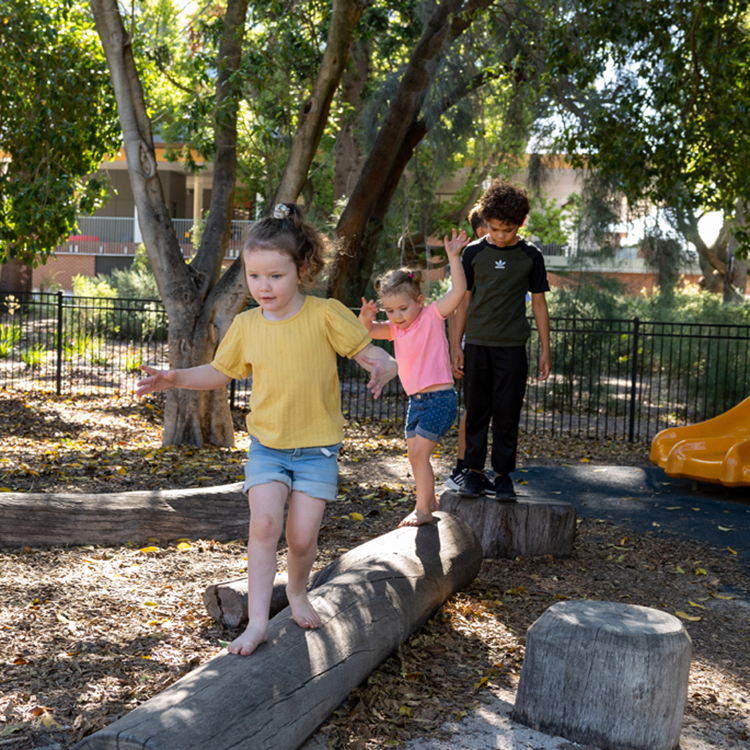
PAHL researchers use their expertise in motivation, behaviour change, resilience, communication, teamwork, confidence, and leadership to develop programs and services that improve people’s physical and mental health.

Honorary Research Associate

Honorary Research Associate

PhD Candidate
In this discussion, we build the case for why climate change is an emerging threat to perinatal mental health
In three experiments, we examine the role of motives underlying goal pursuit and the metacognitive strategy of mental contrasting with implementation intentions (MCII) to predict the strategic use of self-regulation responses (persistence, disengagement, and reengagement) when faced with attainable, unattainable, or multiple goals.
Early childhood is recognised as a critical window of opportunity for physical literacy development, however early childhood educators typically lack the training required to effectively provide appropriate physical literacy opportunities for children.
Being physically active is critical for healthy ageing, yet many older people do not meet physical activity guidelines. The aim of this study was to test the relative effectiveness of five previously identified campaign slogans designed to encourage older people to be more physically active: 'Be active 30-60 minutes a day to stay fit and well'; 'Move more, live longer'; 'Stay fit to stay functional'; 'This is your time - enjoy being strong and active'; and 'Use it or lose it'.
Despite there being an increasing number of applied flow studies across scientific disciplines, there exists no consistent or broadly applicable intervention to promote flow experiences. This study provides a detailed account of a new educational flow training program developed following recent advancements in the flow literature that have provided a more parsimonious understanding of flow experiences and antecedents.
The Perth Emotional Reactivity Scale (PERS) is a 30-item self-report questionnaire that assesses the ease of activation, intensity, and duration of negative and positive emotions. Our study aimed to introduce and validate the Polish version of the PERS.