
Search
Directed evolution emulates the process of natural selection to produce proteins with improved or altered functions. These approaches have proven to be very powerful but are technically challenging and particularly time and resource intensive. To bypass these limitations, we constructed a system to perform the entire process of directed evolution in silico.
We aimed to investigate the molecular basis underlying a novel phenotype including hypopituitarism associated with primary ovarian insufficiency.
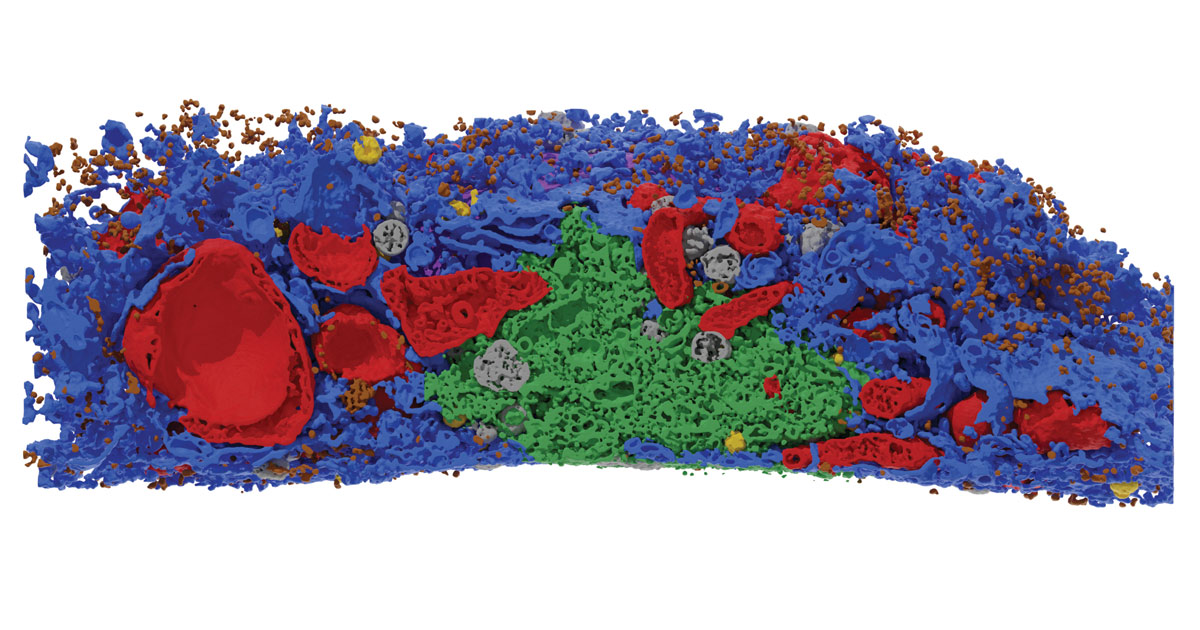
Researchers from The Kids Research Institute Australia and The University of Western Australia have developed a new technique to see inside cells with unprecedented detail, revealing a complicated web of interactions that provides new insights into how cells stay healthy.