
Search
Showing results for "A"

Autism is a complex developmental condition which results in differences in the way in which a person interacts, learns and behaves.

Two outstanding researchers from the Wal-yan Respiratory Research Centre have been awarded a 2022 Innovation Fellowship supported by the WA Government's Future Health Research and Innovation (FHRI) Fund.
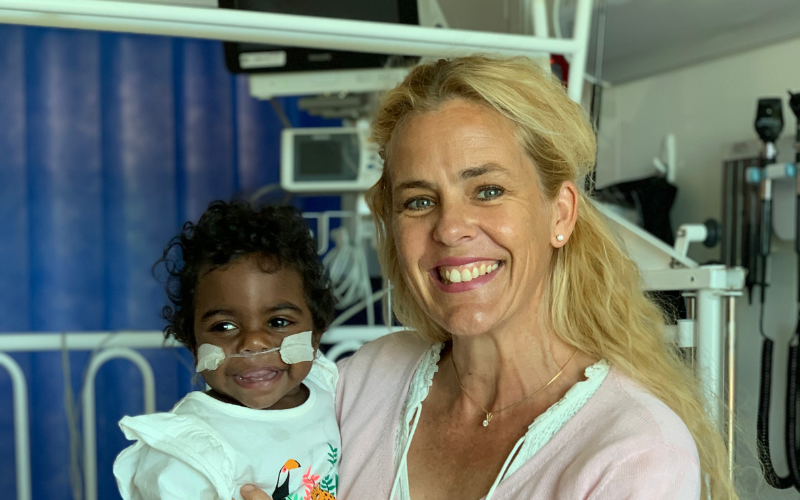
A co-designed and culturally secure intervention to improve medical follow-up for Aboriginal children hospitalised with acute chest infections resulted in higher follow-up rates and improved longer-term lung health outcomes for children.
Christopher Blyth MBBS (Hons) DCH FRACP FRCPA PhD Centre Head, Wesfarmers Centre of Vaccines and Infectious Diseases; Co-Head, Infectious Diseases
Human cutaneous leishmaniasis, a neglected tropical disease caused by Leishmania braziliensis, presents treatment challenges due to varying therapeutic responses. Current therapies often encounter limited efficacy and treatment failure, demanding a deeper understanding of immunopathogenesis and predictive markers.
Respiratory syncytial virus (RSV) remains a leading cause of mortality and morbidity worldwide. RSV seasonality was disrupted by COVID-19-associated nonpharmaceutical interventions (NPIs). We review RSV seasonality, molecular epidemiology, clinical manifestations, and community awareness to inform future prevention strategies.
Jenny Helen Kingsley Downs Leonard Wong BApplSci (physio) MSc PhD MBChB MPH MBBS, MPH, MMedStat Head, Child Disability Principal Research Fellow

We have developed best-practice suicide prevention guidelines for health professionals and community service providers to help them create safe spaces for LGBTQA+ young people.
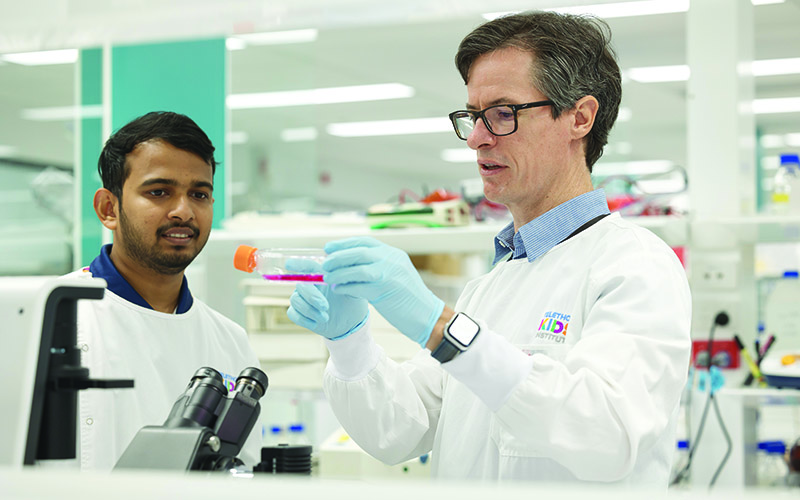
Although a staple of modern medicine, the benefits of antibiotics are waning thanks to overuse and the increasing ability of bacteria to dodge them – known as antimicrobial resistance (AMR).
Aboriginal children hospitalised with acute lower respiratory infections (ALRIs) are at-risk of developing bronchiectasis, which can progress from untreated protracted bacterial bronchitis, often evidenced by a chronic (>4 weeks) wet cough following discharge. We aimed to facilitate follow-up for Aboriginal children hospitalised with ALRIs to provide optimal management and improve their respiratory health outcomes.