
Search
Showing results for "A"
Did you know that 9 out of 10 children diagnosed with type 1 diabetes have no family history of the condition?

In this blog, Occupational Therapy Lead Marie Rodatz looks at the strategies to support a great school holiday outing for your autistic child.
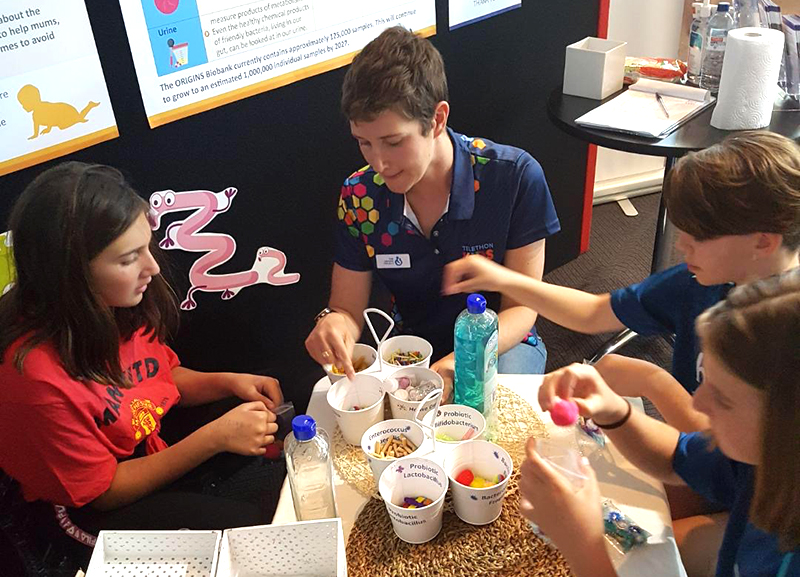
Make your very own unique microbiome using a range of textured items designed to be squeezed and squished.

Microbiomic Analysis on Low Abundant Respiratory Biomass Samples; Improved Recovery of Microbial DNA From Bronchoalveolar Lavage Fluid In recent
This study explored relationships between speech and language abilities in girls with Rett syndrome and how they may be affected by the type of genetic mutation
Using information from the Australian Rett Syndrome study, we examined the frequency of a range of sleep issues and variation by agegroup or gene abnormalities.
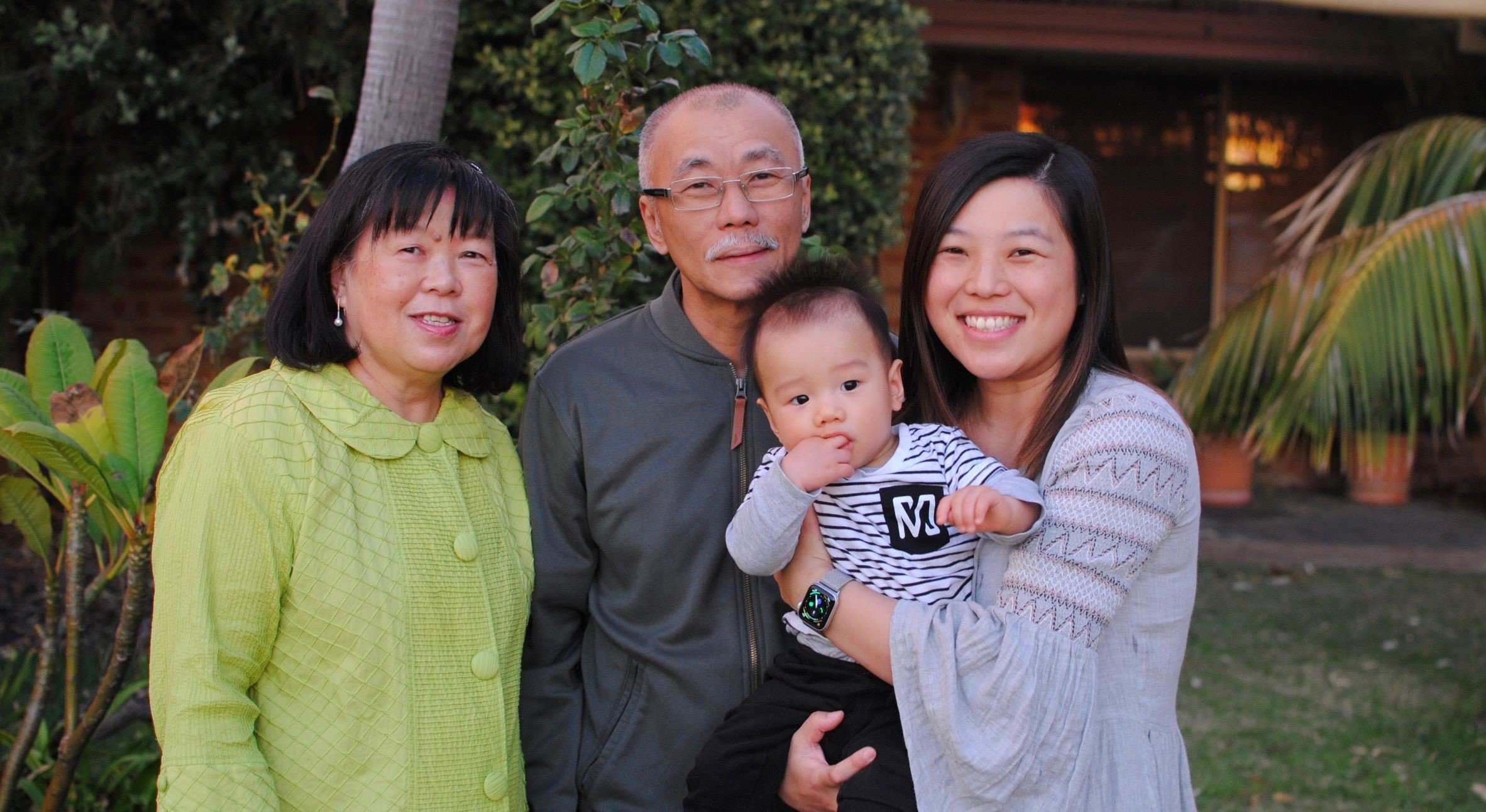
Between 1989 and 1991, almost 3,000 WA babies were recruited to the Raine Study - an ambitious research project which would yield a series of paradigm-shifting findings that changed scientific thinking. Three decades on, it has also changed the lives of those taking part.
Strongyloidiasis, caused by the soil-transmitted helminth Strongyloides stercoralis, remains a neglected public health issue in Australia, particularly among remote Aboriginal and Torres Strait Islander communities. This study aimed to map the spatial distribution of strongyloidiasis and investigate associated socioecological factors to identify high-risk areas and guide targeted interventions in Australia.
Observable signs of clinical deterioration may present differently in children with dark-coloured skin, leading to potential missed or delayed recognition. It is unknown how health professionals approach assessment in children with dark-coloured skin.
Undernutrition is a key driver of the global tuberculosis (TB) epidemic, yet there is limited understanding regarding the spatial overlap of both diseases. This study aimed to determine the geographical co-distribution and socio-climatic factors of undernutrition and TB in Ethiopia.