
Search
Showing results for "A"
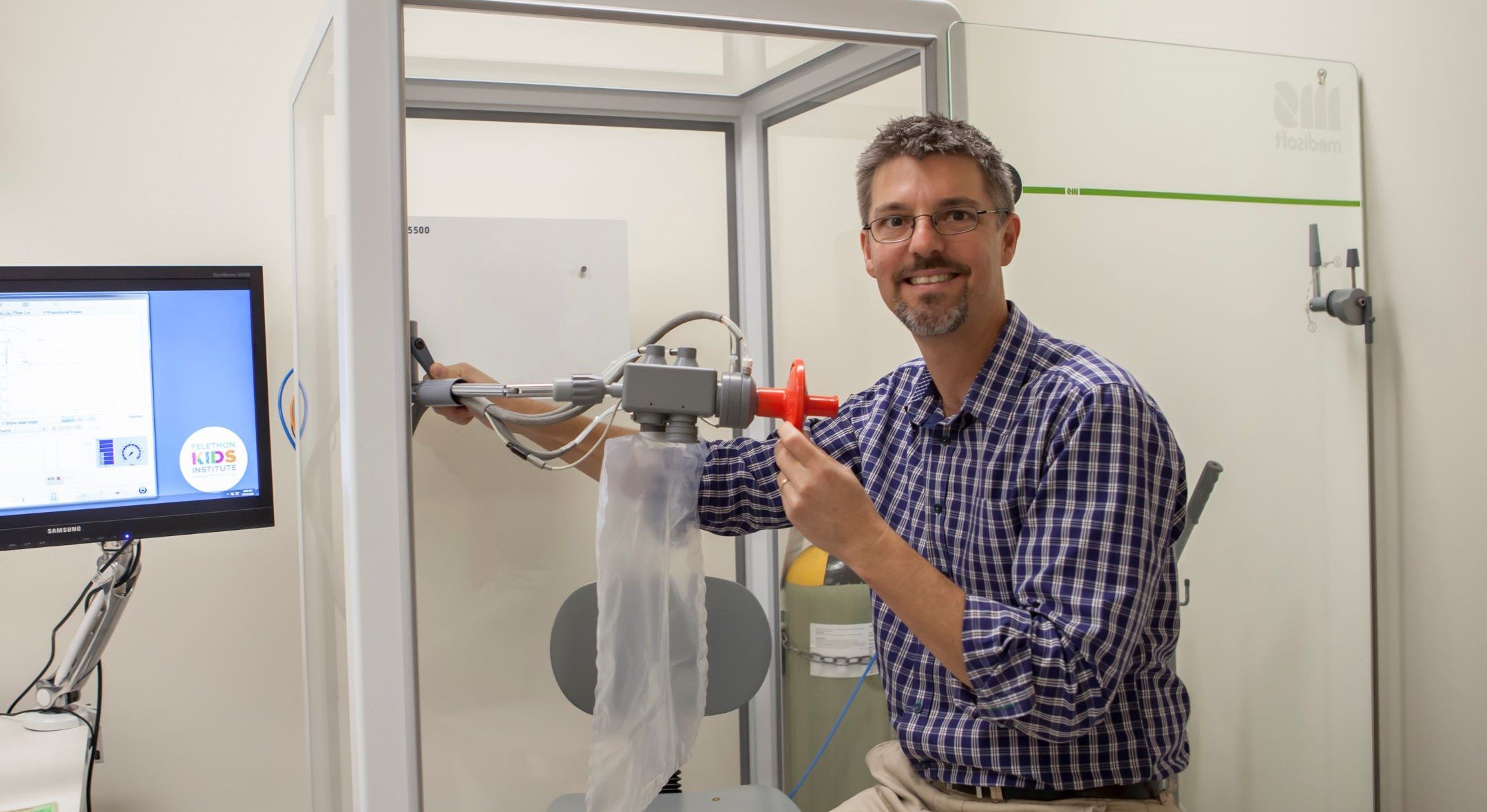
A global network of researchers and clinicians, co-led by The Kids’ Professor Graham Hall, has transformed international best practice in identifying low lung function and diagnosing and treating lung disease.

One hundred years after the discovery of insulin, technology advancements are being heralded as the dawn of a new era for managing type 1 diabetes (T1D) in young people.
Estimating the temporal trends in infectious disease activity is crucial for monitoring disease spread and the impact of interventions. Surveillance indicators routinely collected to monitor these trends are often a composite of multiple pathogens. For example, "influenza-like illness"-routinely monitored as a proxy for influenza infections-is a symptom definition that could be caused by a wide range of pathogens, including multiple subtypes of influenza, SARS-CoV-2, and RSV.
Bernadette Ricciardo MBBS (hon) DCH FACD PhD Candidate Bernadette.Ricciardo@thekids.org.au PhD Candidate Dr Bernadette Ricciardo is a PhD student on
As herpes simplex virus in infancy is not a mandatory notifiable condition in Australia, completeness of ascertainment by the Australian Paediatric Surveillance Unit (APSU) has been difficult to evaluate to date. We evaluated case capture in Queensland and Western Australia using statewide laboratory and clinical data and complementary surveillance data collected via the APSU.
One third of Australian children diagnosed with type 1 diabetes present with life-threatening diabetic ketoacidosis (DKA) at diagnosis. Screening for early-stage, presymptomatic type 1 diabetes, with ongoing follow-up, can substantially reduce this risk (<5% risk). Several screening models are being trialled internationally, without consensus on the optimal approach. This pilot study aims to assess three models for a routine, population-wide screening programme in Australia.
Antimicrobial stewardship (AMS) is crucial for optimizing antimicrobial use and restraining emergence of antimicrobial resistance. The overall increase in reported antibiotic allergies in children can pose a significant barrier to AMS, but its impact on clinical AMS care in children has not been addressed.
The vascular endothelial growth factors and their receptors are key regulators of blood vessel formation, including in tumors, where their deregulated function can promote the production of aberrant, leaky blood vessels, supporting tumor development.
Early childhood wheeze is a major risk factor for asthma. However, not all children who wheeze will develop the disease. The airway epithelium has been shown to be involved in asthma pathogenesis. Despite this, the airway epithelium of children with acute wheeze remains poorly characterized.
Multiple sclerosis (MS) demonstrates a latitude gradient in prevalence and severity, implicating ultraviolet B (UVB) exposure and photoimmune mechanisms in disease risk and progression. While narrowband (NB)-UVB phototherapy has long stabilized inflammation in dermatology, its systemic immunomodulatory effects in MS remain incompletely defined.